Quick Facts

Number of Immigration Detention Sites: 1 (2008)

Detention Capacity: 500 (2008)

Number of asylum seekers:
4 (end of 2007)


Disclaimer

Last updated: June 2009

Botswana Detention Profile

Botswana has traditionally been considered a welcoming country for immigrants, attracting skilled workers from neighbouring countries. However, since the early 2000s, there have been growing tensions as the number of immigrants from Zimbabwe has risen precipitously. By 2004, the country was deporting some 2,500 irregular Zimbabweans per month. The government also began implementing harsher legal penalties, including larger fines and the possibility of prison sentences for irregular immigrants (Ditshwanelo 2006).


Botswana has one official migrant detention facility, the Centre for Illegal Immigrants, which is located in Francistown, a city close to the Zimbabwe border. The centre, which is under the authority of the Department of Immigration and Citizenship, had a capacity of 500 as of 2006, with separate cell blocks and dining halls for males and females, a kitchen, clinic, library, sports facilities and a multi-purpose hall (Campbell 2006, 14). Locals refer to this facility as “Teronko ya Ma Zimbabwe,” or a prison facility for Zimbabweans, as the majority of detainees are of Zimbabwean origin (Gabathuse 2008).


Non-governmental sources have alleged that Botswana’s detention practices violate human rights standards, in particular its practices of detaining asylum seekers and keeping people confined for excessively long periods of time. According to Ditshwanelo, a Zimbabwe NGO, there are cases in which asylum seekers have been detained at the Francistown centre while the Refugee Advisory Committee determines their status, which can take up to 3-4 years, well beyond the 28-day limit stipulated in the Refugee (Recognition and Control) Act (Ditshwanelo 2006, 17-18).


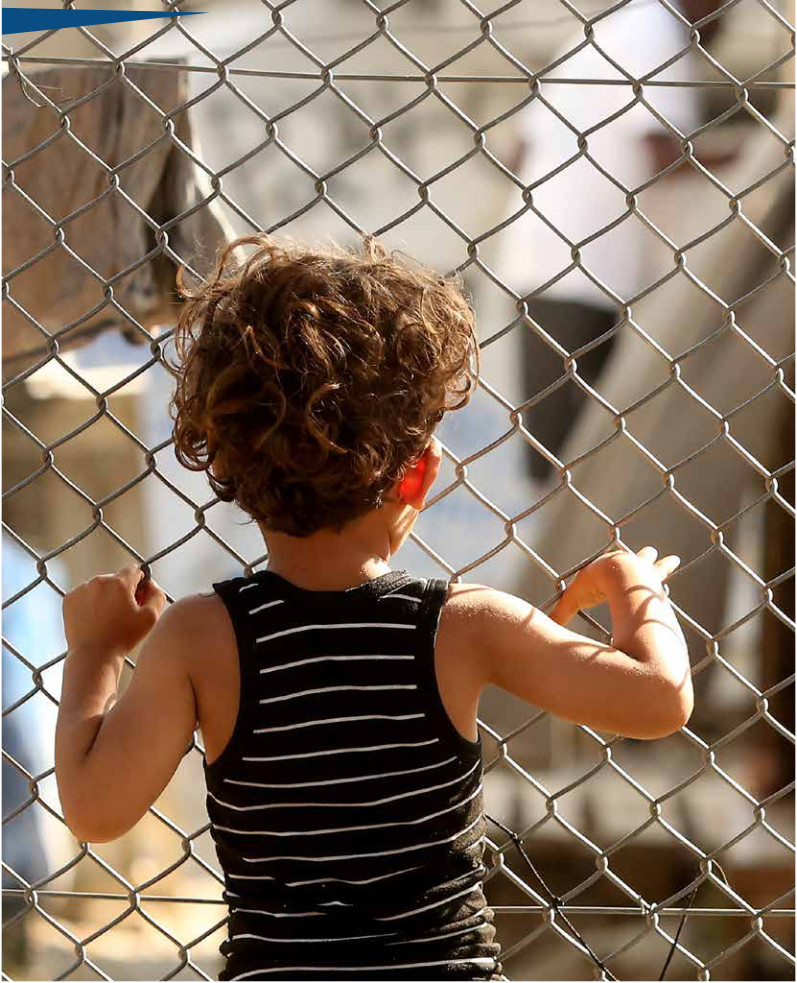
Media reports claim that asylum seekers from Zimbabwe are held in marquee tents at the Francistown centre while their applications are processed (Gabathuse 2008). Successful applicants are moved to the Dukwi Refugee Camp (U.S. State Department 2006), while unsuccessful applicants lose the protective refugee status, have no access to an appeal, and are considered to be illegal immigrants (Ditshwanelo 2006, 17). Children are detained with their parents and do not have access to schools or recreation facilities at the Francistown centre. The centre is administered to under provisions in the Prisons Act and the general prison code. According to Ditshwanelo, detained asylum seekers have been clad in leg-irons when taken to the hospital outside the detention compound (Ditshwanelo 2006, 17).