Australia Profile
Quick Facts
Number of Immigration Detention Sites: 9 (2008)
Detention Capacity: 2,380 (2008)
Annual Number of Deportations:
6,768 (2007)
Undocumented Population:
46,500 (as of June 2007)
Number of asylum seekers:
1,516 (end of 2007)
Last updated: July 2008
Australia Detention Profile
Children, Women, and Other Vulnerable Groups
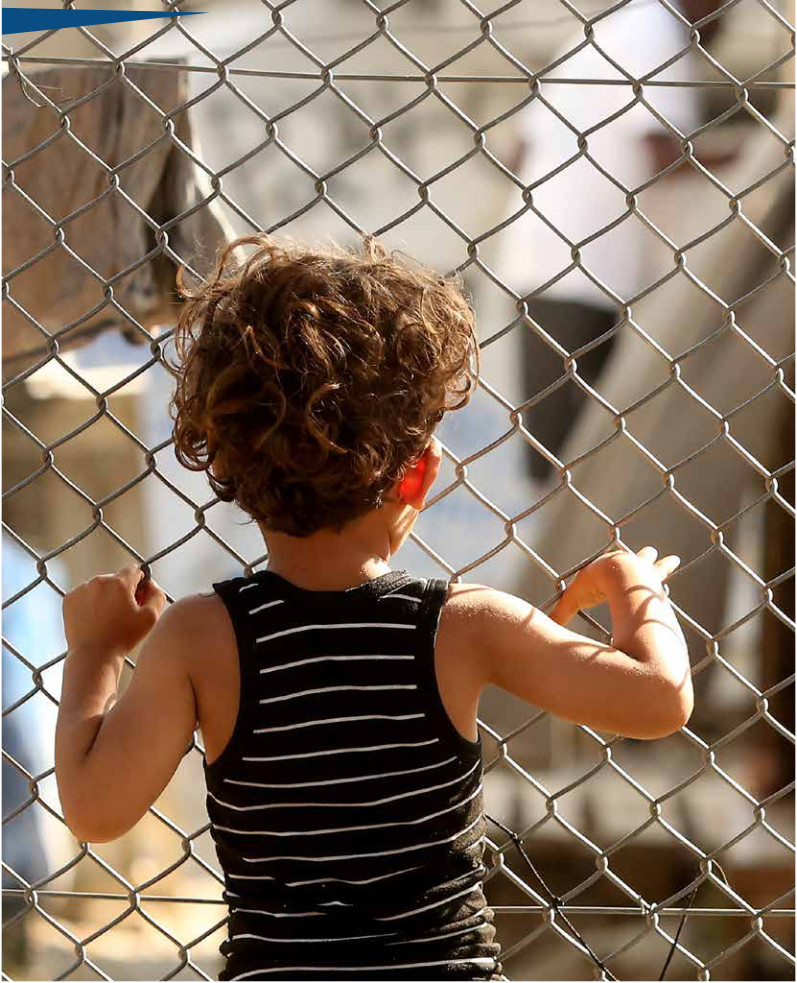
Children. As of November 2008 there were 13 minors (under 18) living in community detention (which does not require the person to be accompanied by a designated person), nine living in alternative temporary detention in the community (which includes detention in the community with a designated person in private houses / correctional facilities / watch houses / hotels / apartmetns / foster care / hospitals), and one living in immigration transit accommodation (DIAC 2008b). No children were being held in immigration detention centres (DIAC 2008b).
Nearly 1,000 children were held in immigration detention during the course of 1999-2000, 14 percent of whom were unaccompanied minors. In 2000-2001, 1,923 children were detained, and in 2001-2002, 1,696 were detained. Most of these children arrived by boat. These figures exclude children who were transferred to Nauru and Manus Island (HREOC 2004). Between July 1999 and June 2003, 3,125 asylum-seeking children arrived in Australia with valid visas (i.e. were not detained). Only 25.4 percent of these visa-holding children were found to be legitimate refugees. During that same period, 2,184 children arrived in Australia without a valid visa (i.e. were detained) and applied for asylum. Over 90 percent of these were eventually recognized as refugees (HREOC 2004).
The Australian government, and in particular the DIAC (which was previously called the Department of Immigration and Multicultural Affairs) received great criticism for its practice of detaining minors. The Human Rights and Equal Opportunities Commission (HREOC) and the Ombudsman of Australia undertook official inquiries between 2002 and 2006 that found the detention of immigrant children to be in breach of international law and international human rights standards (HREOC 2004; Ombudsman 2006). HREOC reported that children who arrived on Australian territory or Australian territorial waters without a visa prior to 2001 were detained in immigration detention centres, reception facilities, and processing centres. After September 2001, asylum-seeker children who arrived on Christmas Island, the Ashmore Islands, or the Cocos (Keeling) Islands, or who were intercepted by Australian authorities, were transferred to detention centres in Nauru and Papua New Guinea’s Manus Island (HREOC 2004).
Both HREOC and the Australian Ombudsman criticized the government for the extensive periods of time that children were detained. In December 2003, the average length of immigration detention of a child was one year, eight months and 11 days. Many children were released within three months of initial detention, but some were detained for much longer (HREOC 2004; Ombudsman 2006). The Ombudsman reported that children who were Australian citizens or lawful non-citizens were also sometimes detained as a visitor of their parents (Ombudsman 2006). The report stated that DIMA policy relating to children was ambiguous, and it accused DIMA staff of practicing unsatisfactory administration with an insufficient understanding of policy and legislation which undermined Australian law. Children were often assigned the same immigration status as their parents, without individual investigation (Ombudsman 2006).
Since the publication of these reports there have been extensive changes in DIAC policy and practice relating to the detention of children. As of July 2005, the Australian government declared that children would be detained in immigration only as a last resort, introducing legislative changes and a reform program that improved the administrative processes and staff attitudes in relations to the detention of children (Ombudsman 2006). Since 2005, the numbers of children in detention have decreased significantly. All families with children have since been moved from immigration detention centres into community detention, or alternative temporary detention in the community. They can still spend up to four to six weeks in detention centres, however, while their referrals are considered for community detention (DIAC 2007).
Women. As of November 2008, there were 17 women in immigration detention and 29 women in alternative temporary detention in community (DIAC 2008b).
A research project on women in immigration detention published by Cox and Priest in 2005 found that women, as a minority of detainees in immigration detention facilities, require protection against prejudices, as well as attention for specific needs relating to contraception, reproduction, mothering, healthcare, and potential harassment and violence. The researchers claimed that Australian facilities had insufficient guidelines on privacy and access to female guards and workers; that the clothing needs and particular modesty requirements were inadequate; that there was no direct access to specialists and general medical practitioners; that mothers were denied privacy and the opportunity to fulfill family needs; and that there were insufficient protocols and procedures surrounding gynecological services, fertility control, antenatal and postnatal care and support (Cox & Priest 2005).
The Australian National Audit Office (ANAO 2005-2006) criticized the contract processes with GSL Australia, particularly in reference to information flows and administrative problems relating to the detention of women (ANAO in Cox & Priest 2005). The Palmer report (2005) found that arrangements governing surveillance of female detainees were not acceptable. The report recommended that contract requirements between the Government and GSL Australia insist that “in all but emergency or extraordinary circumstances, surveillance of female detainees should be done by female detention officers” (Palmer 2005).
Since the 2005 policy changes relating to the detention of children, the number of women in immigration detention has declined, with more women now staying in Immigration Residential Housing than in Immigration Detention Centres (DIAC 2008c).
Trafficked persons. There is no information available on the numbers of trafficked persons who are detained in immigration detention centres in Australia. When DIAC identifies detainees who have worked in the sex industry, they are interviewed and if evidence indicates trafficking has occurred, the interviewees are referred to the Australian Federal Police (DIAC 2003).
Australia is a destination country for trafficked persons, primarily women originating from East Asia and Eastern Europe for commercial sexual exploitation (Piper 2005). They often travel to Australia voluntarily to work in legal and illegal brothels, and are then subject to debt bondage or involuntary servitude. The U.S. Department of State reported incidents of men and women from India, the People’s Republic of China, and South Korea who have also migrated to Australia under labor slavery, debt bondage, and involuntary servitude (Department of State USA 2007). It is estimated that up to 1,000 women are paying off “debt” in Australia at any one time, though this number does not include women who have paid off their debt and remain in Australia (Project Respect 2008).
Australia’s domestic trafficking laws were extended during 2006 to cover deception, exploitative employment conditions and contracts, or debt bondage. Penalties for traffickers were increased for trafficking in children and for employers who exploit workers under forced labor, sexual servitude, or slavery. During 2006, there were four convictions for sex trafficking, with an additional six sex trafficking and two labor trafficking cases before the courts. The Transnational Sexual Exploitation and Trafficking Teams (TSETT) within the Australian Federal Police investigated 14 possible trafficking cases in 2006. In late 2006, a Bangladeshi domestic worker filed a complaint of involuntary servitude work conditions against a United Arab Emirates diplomat in Australia (Department of State USA 2007).
The government provides resources to support anti-trafficking throughout Southeast Asia, including law enforcement training, victim assistance, and prevention activities. Victims of trafficking, their family members, or witnesses are encouraged to participate in the investigations of traffickers. Dozens of assistance visas have been granted since January 2004, permitting such people to remain lawfully in Australia during investigations. These visa holders are entitled to shelter, counseling, and food and living allowances, as administered by the government’s Support for Victims of People Trafficking. Australia also funds two return and reintegration activities in the Asia region, including one for trafficked women and children, and the second specifically for Thai victims. The government has also introduced a referral protocol and interviewing procedure for trafficking cases (Department of State USA 2007).