In 2020, Mexico passed amendments to its General Law on the Rights of Children and Adolescents and Migration Law which expressly prohibited the immigration detention of children and adolescents–in line with the growing international consensus that immigration detention is never in their best interests. However, despite these amendments, Mexico has effectively replaced the use of […]
Submissions & RecommendationsTargeted submissions and recommendations produced by the Global Detention Project, often in collaboration with partner organisations, for regional and international human rights monitoring mechanisms, treaty review bodies, interactive dialogues, consultations, and commissioned studies.
Targeted submissions and recommendations produced by the Global Detention Project, often in collaboration with partner organisations, for regional and international human rights monitoring mechanisms, treaty review bodies, interactive dialogues, consultations, and commissioned studies.
Submission to the Special Rapporteur on Torture: Practical Measures to Reduce and Prevent Prison Overcrowding
In a response to a call for input from the UN Special Rapporteur on torture and other cruel, inhuman or degrading treatment or punishment on addressing prison overcrowding, the Global Detention Project (GDP) highlights the use of prisons and other custodial facilities for immigration detention purposes, and urges recommendations to reduce the use of such […]
Kenya: Joint Submission to the UN Committee on the Elimination of Discrimination against Women
Kenya is a major destination and transit country for migrants, refugees, and asylum seekers, as well as one of Africa’s largest refugee-hosting countries. However, growing efforts to securitise migration have left irregular arrivals or those in the country without regular documentation increasingly vulnerable to arrest and detention. The country does not operate dedicated immigration detention […]
Jordan: Joint Submission to the UN Committee on the Elimination of Discrimination against Women
Jordan is a major destination for migrant workers, including tens of thousands of women employed as domestic workers. In a joint submission to the UN Committee on the Elimination of Discrimination against Women (CEDAW Committee), the Global Detention Project (GDP) and our Jordan-based partner, Tamkeen for Legal Aid and Human Rights, highlight the particular vulnerabilities […]
Russia: Joint Submission to the Committee on the Elimination of Discrimination against Women
The Russian Federation has one of the world’s largest networks of migrant detention centres, known as “Centres for Temporary Detention of Foreign Nationals” (CTDFNs). Although migrant labour plays an important role in sustaining the Russian economy, migrants—particularly those from Central Asia and the Caucasus—have increasingly been portrayed as a “security threat”, fuelling xenophobic and discriminatory […]
El Salvador: Joint Submission to the UN Human Rights Committee
In March and April 2025, 252 Venezuelans were expelled from the United States to El Salvador under a secretive bilateral agreement between the two countries. Upon arrival, the Venezuelans were immediately detained and held incommunicado in the notorious Centro de Confinamiento del Terrorismo/ Terrorism Confinement Centre (CECOT), a maximum security prison established by President Bukele […]
Trinidad and Tobago: Submission to the Committee on the Rights of the Child
Trinidad and Tobago has a long track record placing children and families in immigration detention, including children fleeing nearby Venezuela, and the country has no legal provision prohibiting the detention of children and their families. Although not detained in the country’s sole dedicated immigration detention centre in Aripo, child migrants and refugees and their families […]
Tajikistan: Joint Submission to the UN Committee on the Rights of the Child
In partnership with the International Legal Initiative (ILI), the GDP has submitted information to the UN Committee on the Rights of the Child (CRC) highlighting the country’s detention and deportation of child refugees and asylum seekers. This submission was prepared ahead of the CRC’s upcoming 101st session, due to be held in August-September 2026. […]
India: Joint Submission to the UN Committee on the Elimination of Racial Discrimination
For years, India has served as an important destination for asylum seekers and refugees from neighbouring countries like Pakistan, Bangladesh, and Myanmar. However, under the Hindu nationalist Bharatiya Janata Party (BJP) there has been a marked increase in xenophobic attitudes and policies; a securitised approach to immigration enforcement; and intensified detention and deportation operations targeting specific groups like Rohingya refugees and persons perceived to be Bangladeshi, especially Bengali-speaking Muslims. […]
Kuwait: Joint Submission to the UN Committee on the Elimination of Racial Discrimination
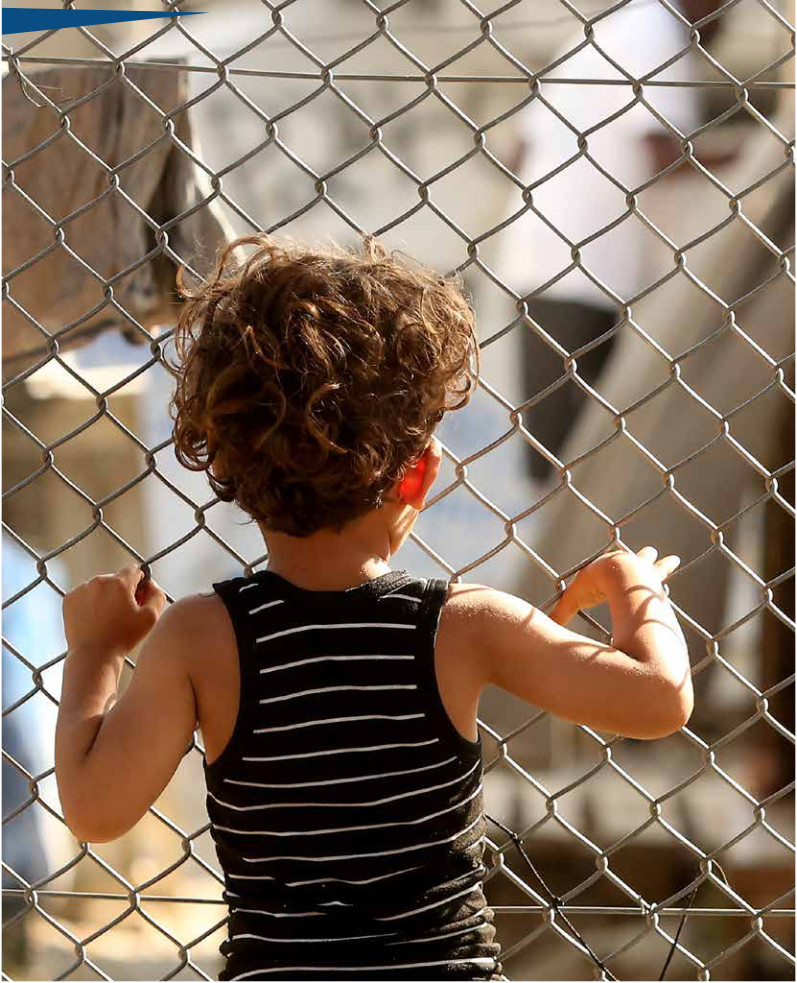
In a submission to the UN Committee on the Elimination of Racial Discrimination, the GDP and the Migrant Rights Research Open Repository (MRRORS) direct the Committee’s attention to Kuwait’s detention and removal of migrants on immigration status related grounds. The submission examines how immigration enforcement practices—including detention, deportation, and restrictions linked to residency status—affect migrant […]