The Global Detention Project has issued an information request to Mauritania’s National Human Rights Commission (Commission Nationale des Droits de l’Homme [CNDH]), requesting information regarding its reports detailing migrant detention centre visits. To date, we have not received a response. The CNDH has the authority to visit detention centres, allowing it to monitor conditions, document […]
Mauritania

Mauritania: Submission to the UN Committee on Migrant Workers
Over the past two decades, efforts to detain and remove migrants in Mauritania have intensified in response to mounting pressure from European countries to curb migration flows. In a submission to the UN Committee on Migrant Workers, the GDP highlights how Mauritania’s immigration detention and deportation policies and practices contravene key provisions of the International Convention on the Protection of the Rights of All Migrant Workers and Members of Their Families. […]
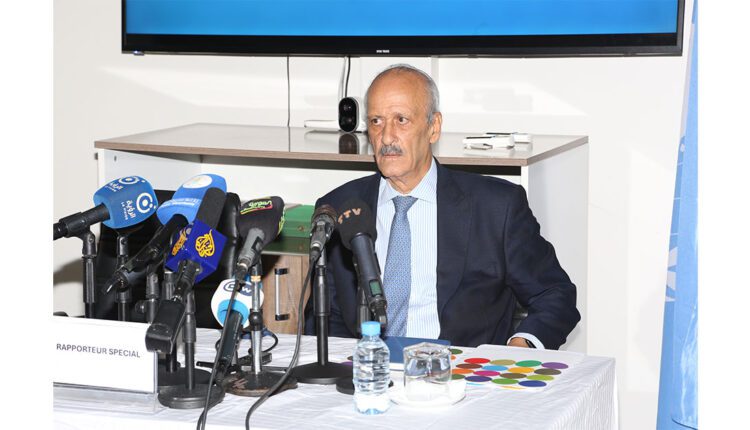
UN Special Rapporteur Calls on Mauritania to End Abuses Against Migrants and Refugees
Following his visit to Mauritania between 2 – 12 September, the UN Special Rapporteur on the Human Rights of Migrants has released his preliminary findings and recommendations concerning the country’s treatment of non-nationals. In advance of the mission, the Global Detention Project provided the Special Rapporteur with a detailed briefing documenting persistent violations of migrants’ and refugees’ rights, including arbitrary arrest and detention, inhumane detention conditions, and collective expulsions. Many of these concerns were echoed in his initial observations. […]
Submission to the UN Special Rapporteur on the Human Rights of Migrants: Mauritania
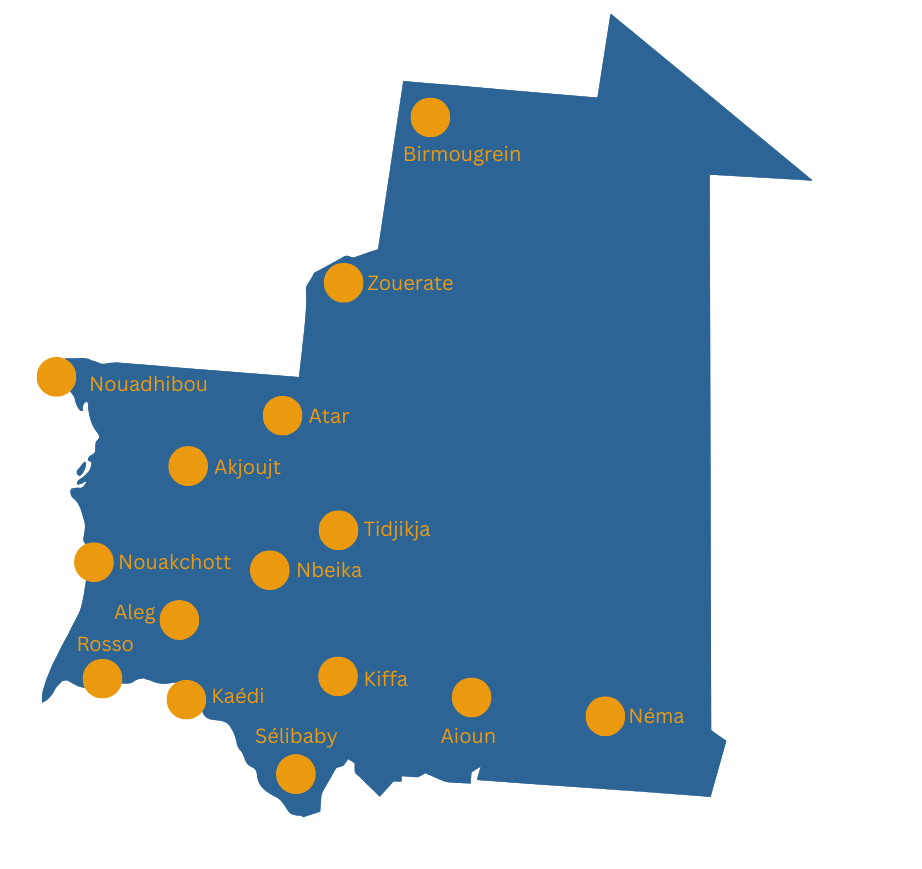
Amid growing European pressure, Mauritania has increasingly subjected migrants to arbitrary arrest, detention, and forced expulsion—particularly in the past year. Due to limited transparency and the ad hoc nature of these practices, comprehensive data on all detention facilities remains unavailable. Nevertheless, the GDP has documented the use of multiple sites for immigration detention. […]
Mauritania: Mass Arrests and Deportations as EU Continues Efforts to Create “Bulwark” Against Irregular Migration
Under renewed pressure from the EU to prevent migrants from reaching the Canary Islands, in recent months Mauritanian authorities have arbitrarily arrested, detained, and expelled thousands of migrants. The West African state has come under repeated scrutiny in recent years for its detention and deportation practices, but the scale of the recent crackdown has attracted […]
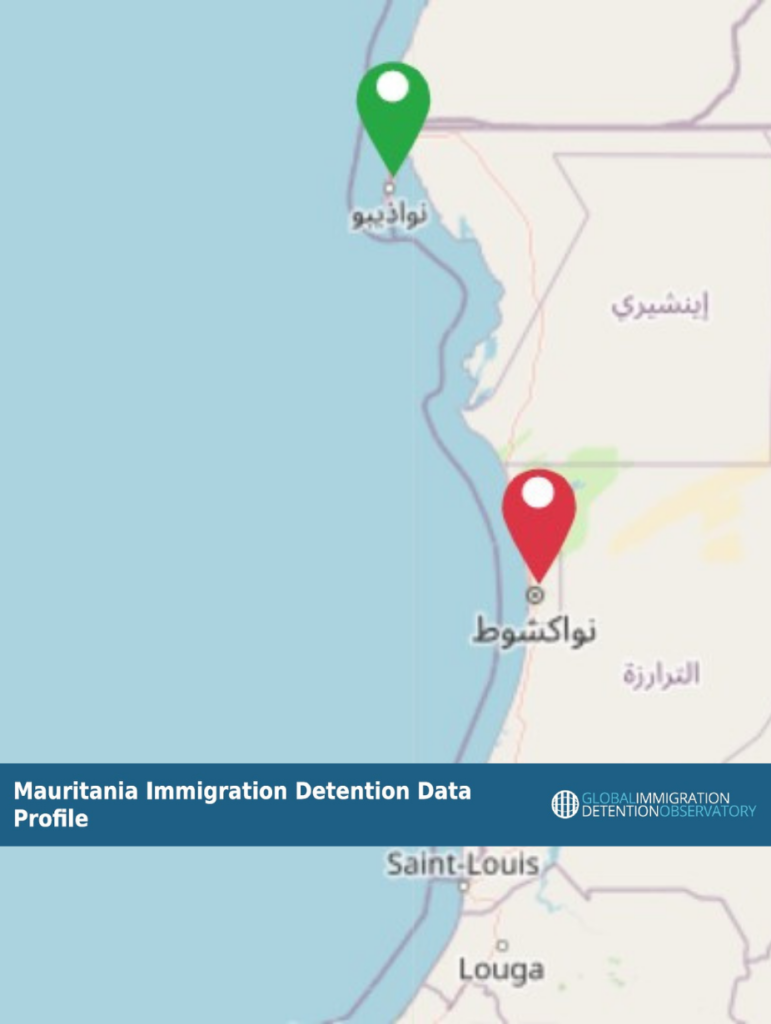
Mauritania Immigration Detention Data Profile (2020)
Mauritania Detention Data (2020) The latest detention-related data from Mauritania, including immigration and detention-related statistics, domestic laws and policies, international law, and institutional indicators. View the Mauritania Detention Data Profile Related Reading: Mauritania: Country Page Mauritania: COVID-19 Updates Mauritania: Detention Centres […]
Mauritania: Covid-19 and Detention
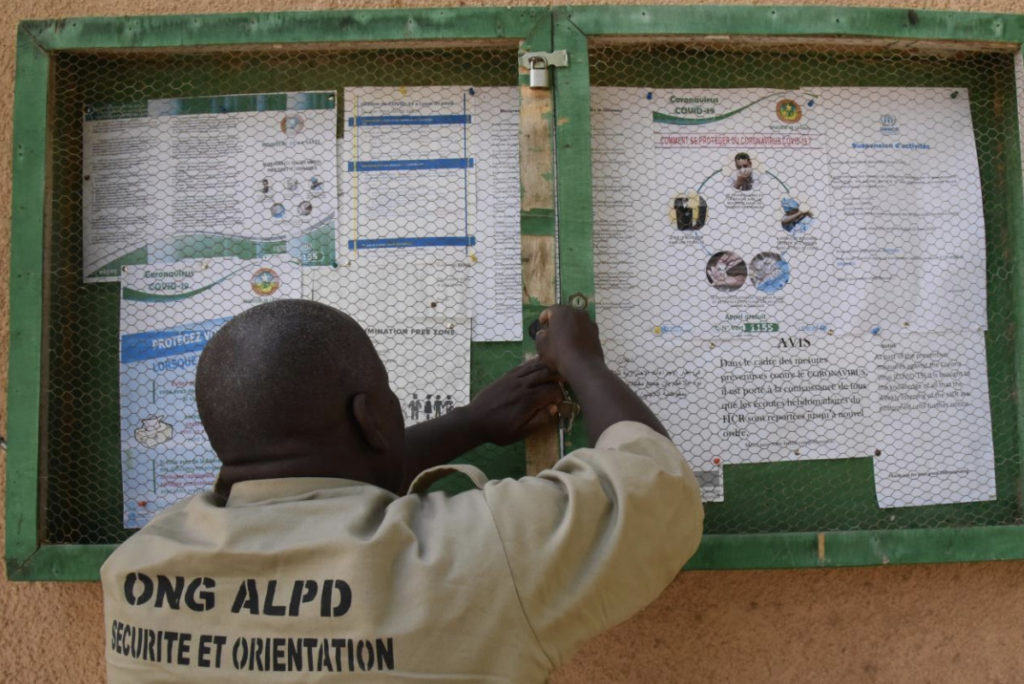
The IOM Mauritania office has informed the GDP that Mauritanian authorities have “informally” placed a moratorium on new detention orders during the crisis; police forces in both Nouakchott and Nouadhibou have reported that they were not detaining migrants. With borders closed and inter-regional movement restrictions in place, deportations from the country have also ceased. Reportedly, […]
Mauritania: Covid-19 and Detention
With the support of Frontex, an agreement between Spain and Mauritania allows for the return of Mauritanian nationals or migrants arriving in the Canary Islands. In 2018, four flights were carried out. However, from mid 2019 to mid March 2020, nine flights took place. According to the Mixed Migration Centre, at the beginning of the […]

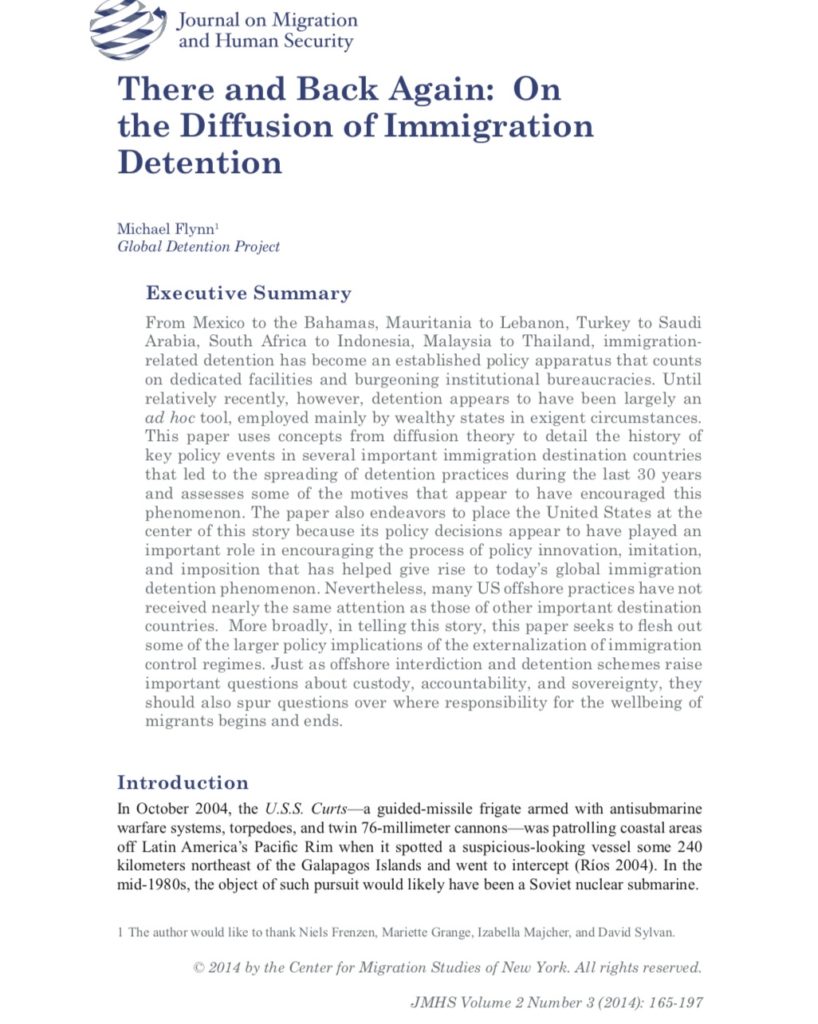
There and Back Again: On the Diffusion of Immigration Detention
From Mexico to the Bahamas, Mauritania to Lebanon, Turkey to Saudi Arabia, South Africa to Indonesia, Malaysia to Thailand, immigration-related detention has become an established policy apparatus that counts on dedicated facilities and burgeoning institutional bureaucracies. Until relatively recently, however, detention appears to have been largely an ad hoc tool, employed mainly by wealthy states in exigent circumstances. This paper uses concepts from diffusion theory to detail the history of key policy events in several important immigration destination countries that led to the spreading of detention practices during the last 30 years and assesses some of the motives that appear to have encouraged this phenomenon. […]