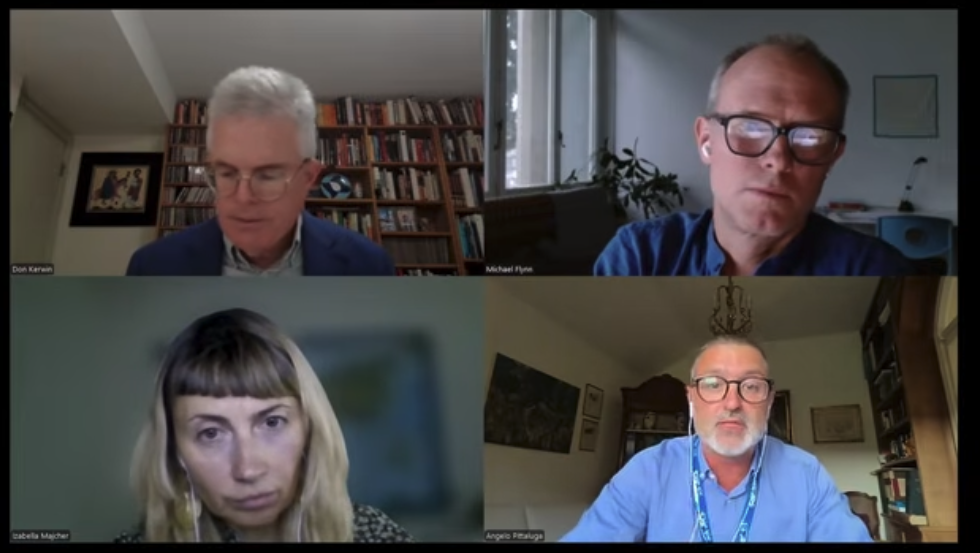
Event: Jesuit Refugee Service USA – “The Expanding Global Detention System as a Pillar of Externalized Enforcement: How We Reached this Point, a Normative Human Rights Framework, and Pushing Back Against Extremist Policies” Moderator: Donald Kerwin (JRS/USA Senior Ignatian Fellow) Panellists: Michael Flynn (Global Detention Project Executive Director); Dr Izabella Majcher (Consultant); Dr Angelo Pittaluga […]
Externalisation
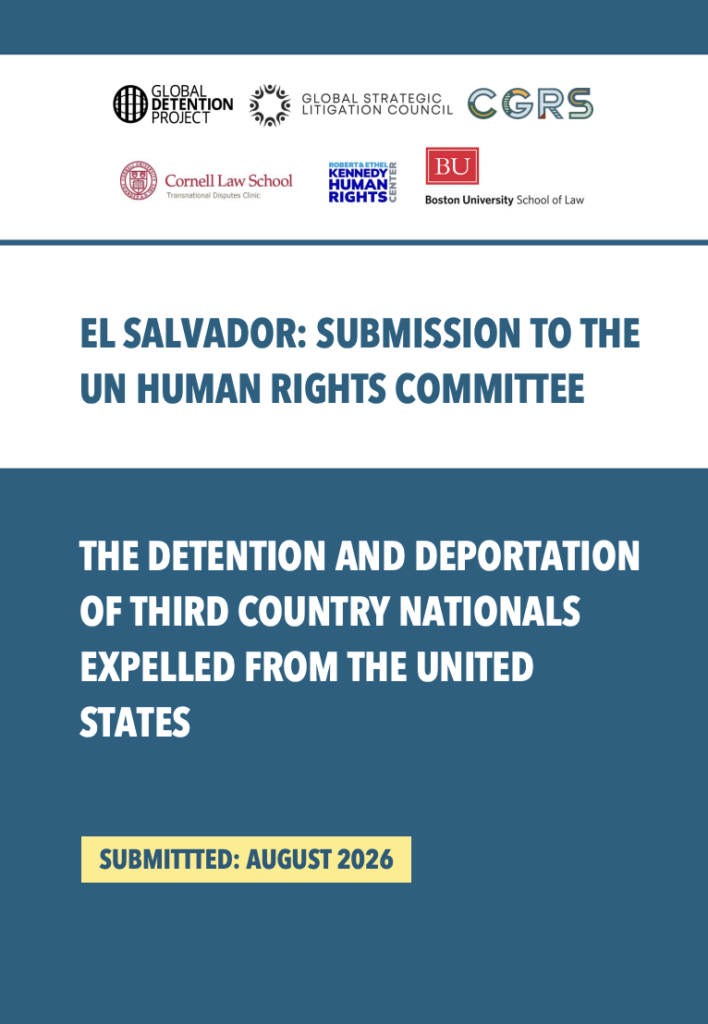
El Salvador: Joint Submission to the UN Human Rights Committee
In March and April 2025, 252 Venezuelans were expelled from the United States to El Salvador under a secretive bilateral agreement between the two countries. Upon arrival, the Venezuelans were immediately detained and held incommunicado in the notorious Centro de Confinamiento del Terrorismo/ Terrorism Confinement Centre (CECOT), a maximum security prison established by President Bukele […]
United Kingdom: Expanding Detention Capacity Despite Continued Evidence of Harm
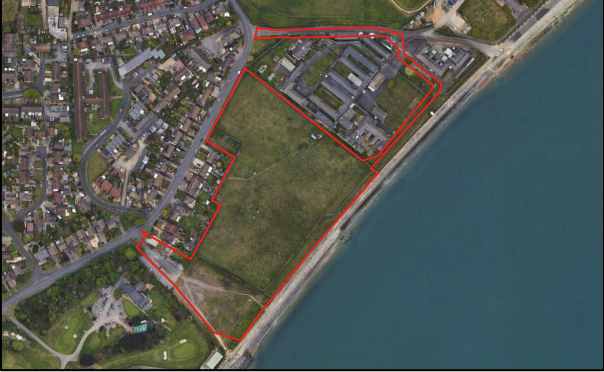
Despite decades of reports documenting concerns about the operation and impact of its detention system, the UK is currently seeking to massively expand its immigration detention capacity. A recent report from His Majesty’s Inspectorate of Prisons highlights serious shortcomings in the treatment of female immigration detainees across the country. Detention Capacity Expansion Plans The UK […]
Sierra Leone: Reports of Detention, But Limited Oversight or Access
Since May, Sierra Leone has received two groups of third country nationals, deported from the United States under an agreement between the two countries, adding yet another to the growing list of third country deportation schemes orchestrated by the Trump administration. While government representatives in Freetown have described deportees being “checked into their hosting facilities,” […]

Webinar: “Immigration Detention: From Global Trends to Bosnia and Herzegovina”
On 23 June, the GDP was invited to speak at a Collective Aid webinar, “Immigration Detention: From Global Trends to Bosnia and Herzegovina.” Presenting their latest research report examining conditions within Bosnia and Herzegovina‘s Lukavica Detention Centre, Collective Aid’s Advocacy Manager Anna Gruber highlighted serious deficiencies in the centre, including degrading living conditions, a near-total […]

Equatorial Guinea: US Third Country Deportations to Another Country Accused of Widespread Corruption and Human Rights Abuses
Since late 2025, the United States has been deporting individuals, including those with existing protection orders, to Equatorial Guinea under a secretive bilateral temporary transfer agreement that is similar to others set up by the US with countries across Africa and Latin America. Reports indicate that upon arrival the deportees have been detained in a […]
Democratic Republic of Congo: US Third-Country Deportations Amidst a Human Rights Crisis
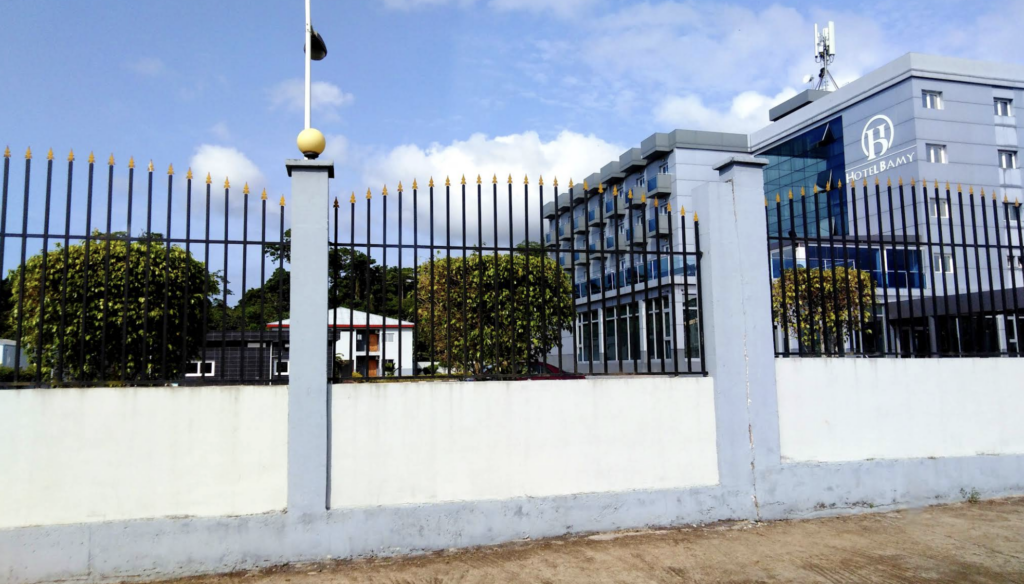
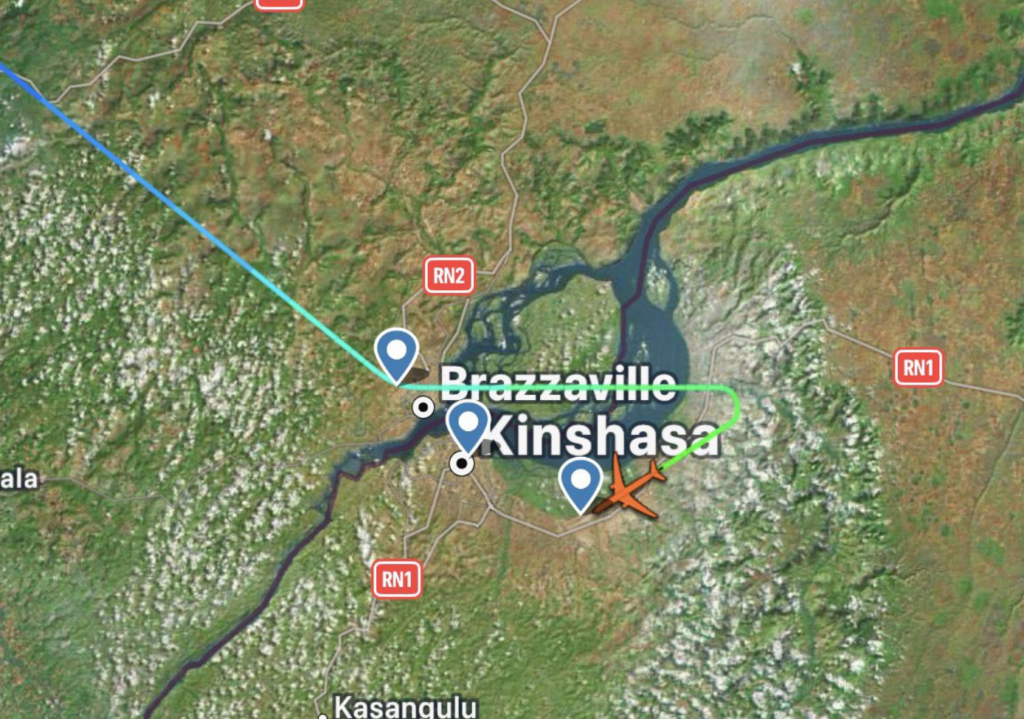
In April, after the Democratic Republic of Congo announced the launch of a “temporary reception system for third country nationals,” a group of deportees from the United States arrived, marking the latest expansion of the Trump administration’s massive immigration crackdown and deportation agenda. Upon arrival, the group were placed in a hotel from which they were reportedly prevented from leaving, raising credible fears of de facto detention. With the DRC facing a severe and well-documented human rights crisis characterised by ongoing armed conflict, mass displacement, and widespread abuses by state and non-state actors, the choice of destination is a deeply troubling one. […]
Ghana: Joint Submission to the UN Committee on Migrant Workers
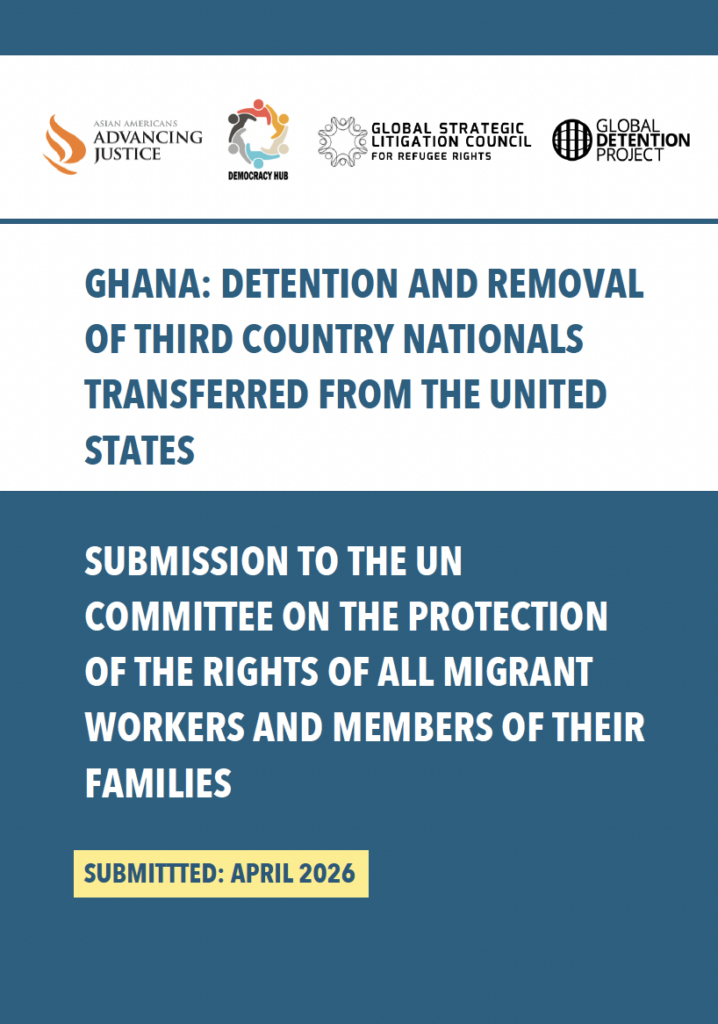
Together with Asian Americans Advancing Justice, the Ghana-based Democracy Hub, and the Global Strategic Litigation Council, the Global Detention Project has urged the UN Committee on Migrant Workers to assess the country’s recent agreement with the United States to accept deported third-country nationals, as well as its subsequent detention and removal of these individuals. […]
Guatemala: Joint Submission to the UN Committee on Migrant Workers
In a submission to the United Nations Committee on Migrant Workers ahead of its adoption of a List of Issues Prior to Reporting for Guatemala, the Global Detention Project and the American Friends Service Committee called on the Committee to request detailed information from Guatemala regarding its recent agreement with the United States to accept deported third-country nationals. Together, we also urged the Committee to seek information on the detention and removal of these individuals to enable effective scrutiny of the impacts of this scheme. […]
Libya: EU Plans in Eastern Libya Threaten Increased “Pullbacks” and Detentions
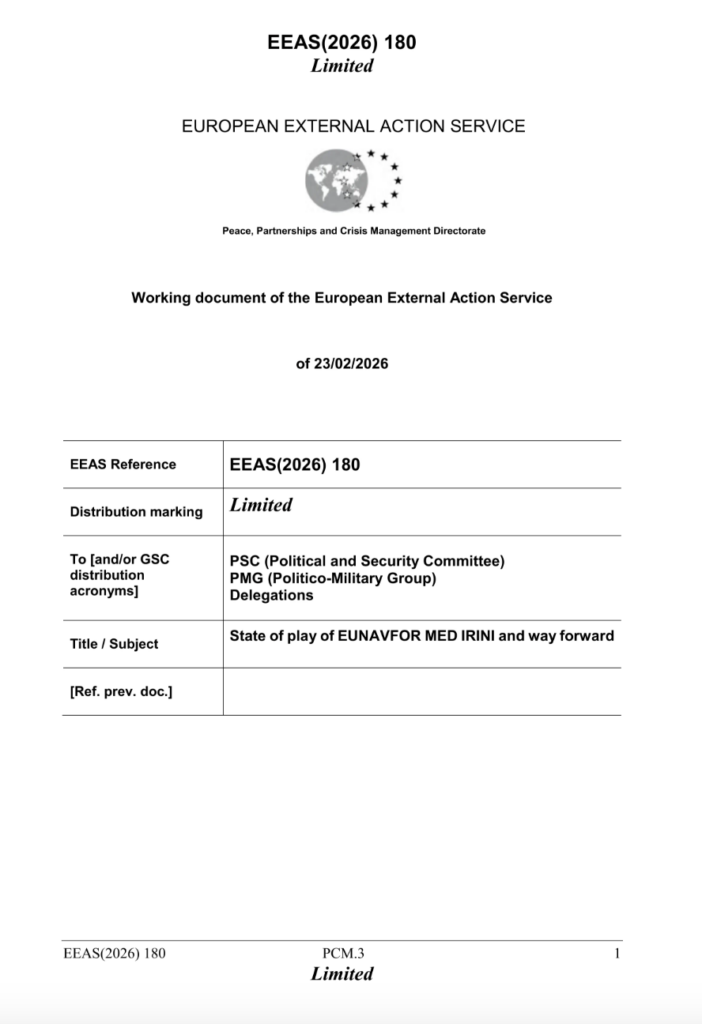
Amidst growing numbers of irregular departures from eastern Libya towards the Greek islands of Gavdos and Crete, internal EU documents reveal plans to collaborate with the country’s de facto leader Gen. Khalifa Haftar to intercept irregularly departing migrants. The plans could significantly expand Libya’s migrant “pullbacks,” leading to more people being stranded in the country’s […]