Immigration detention poses significant risks to health and well-being, yet its use is increasing globally. In this WHO report, prepared by the GDP, the available evidence related to the health of migrants in immigration detention is reviewed, setting out the current status, main challenges, and evidence gaps. […]
Staff PublicationsArticles, blogs, books, chapters, op-eds, and other publications written by Global Detention Project staff members and advisers for journals, partner organisations, scholarly collaborations, or media outlets.
Articles, blogs, books, chapters, op-eds, and other publications written by Global Detention Project staff members and advisers for journals, partner organisations, scholarly collaborations, or media outlets.
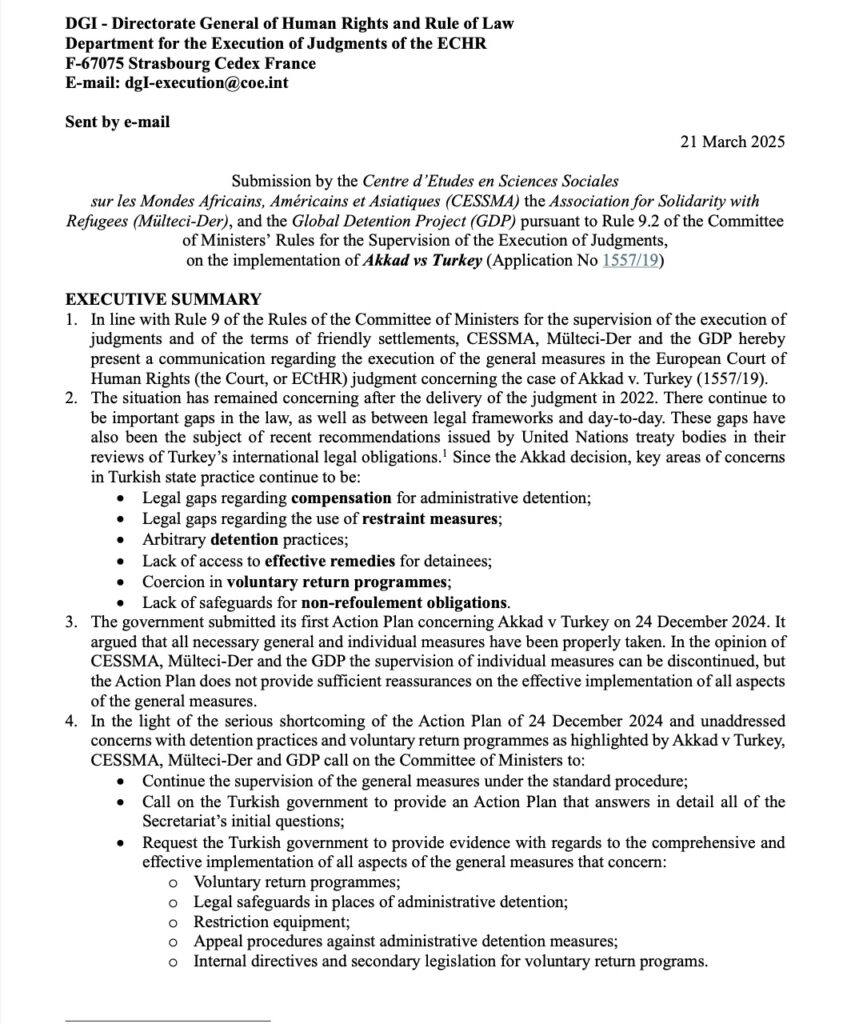
Rule 9.2 of the Committee of Ministers’ Rules for the Supervision of the Execution of Judgments, on the implementation of Akkad vs Turkey
EXECUTIVE SUMMARY (read full submission) 1. In line with Rule 9 of the Rules of the Committee of Ministers for the supervision of the execution of judgments and of the terms of friendly settlements, CESSMA, Mülteci-Der and the GDP hereby present a communication regarding the execution of the general measures in the European Court of […]
The Health Implications of Immigration Detention: A Global Problem
Paper given by GDP Director Michael Flynn at the conference “Crimmigration through Time, Space, and Culture,” organised by the CINETS scholars network at Lewis & Clark Law School (Portland, Oregon, 1-2 March 2024) Introduction This paper provides a summary of key findings from an ongoing research project at the Global Detention Project aimed at broadening […]
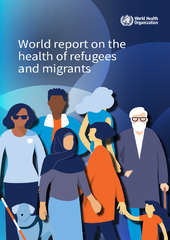
“Immigration Detention” in WHO’s World Report on the Health of Refugees and Migrants
On 20 July, the World Health Organisation launched its first ever report on refugee and migrant health. Bringing together key evidence about the multitude of health challenges faced by refugees and migrants, the report explores the trends, gaps, and good practices in protecting and promoting the health of refugees and migrants worldwide. Key to health […]
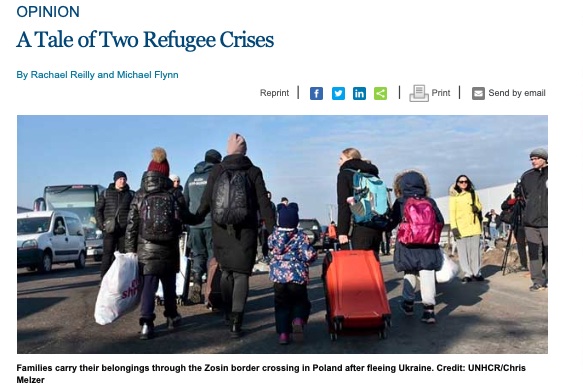
A Tale of Two Refugee Crises
When the 2015 refugee “crisis” drove more than a million Syrians towards Europe, the EU justified detaining these refugees for up to 18 months. Less than two weeks into Russia’s invasion of Ukraine and more than one million people have already fled into neighbouring countries—but don’t expect Brussels to call for their detention this time. […]
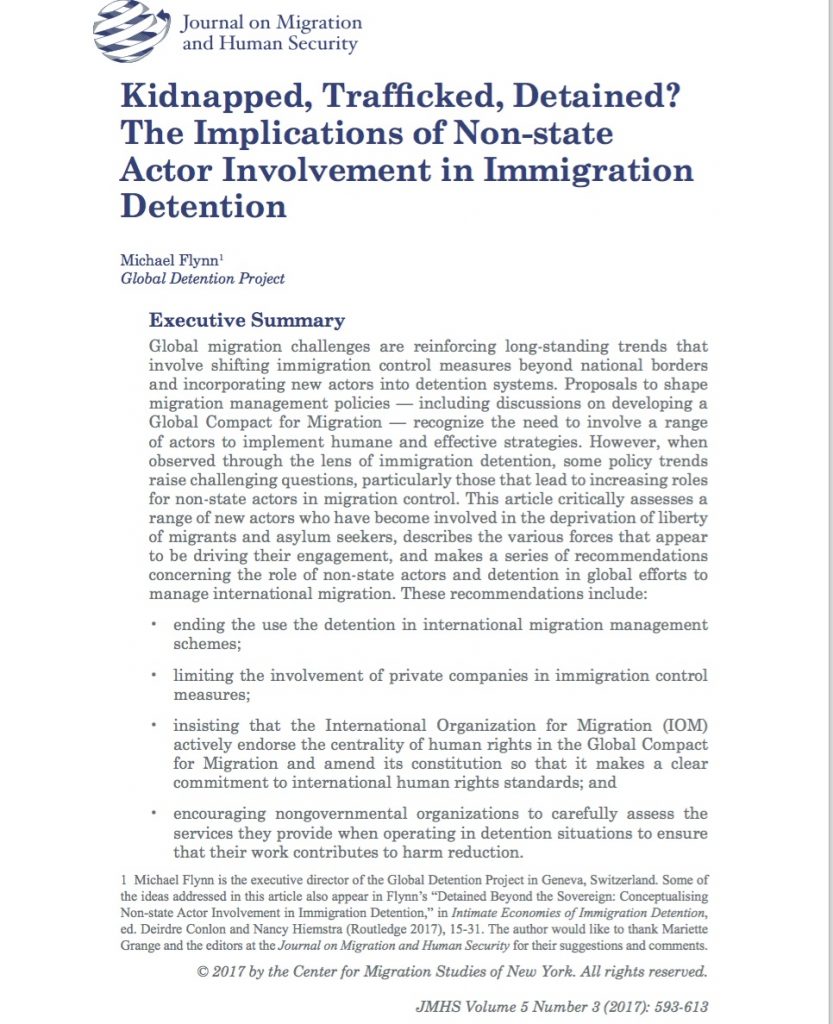
Kidnapped, Trafficked, Detained? The Implications of Non-state Actor Involvement in Immigration Detention
This article critically assesses a range of new non-state actors who have become involved in the deprivation of liberty of migrants and asylum seekers, describes the various forces that appear to be driving their engagement, and makes a series of recommendations concerning the role of non-state actors and detention in global efforts to manage international migration. […]
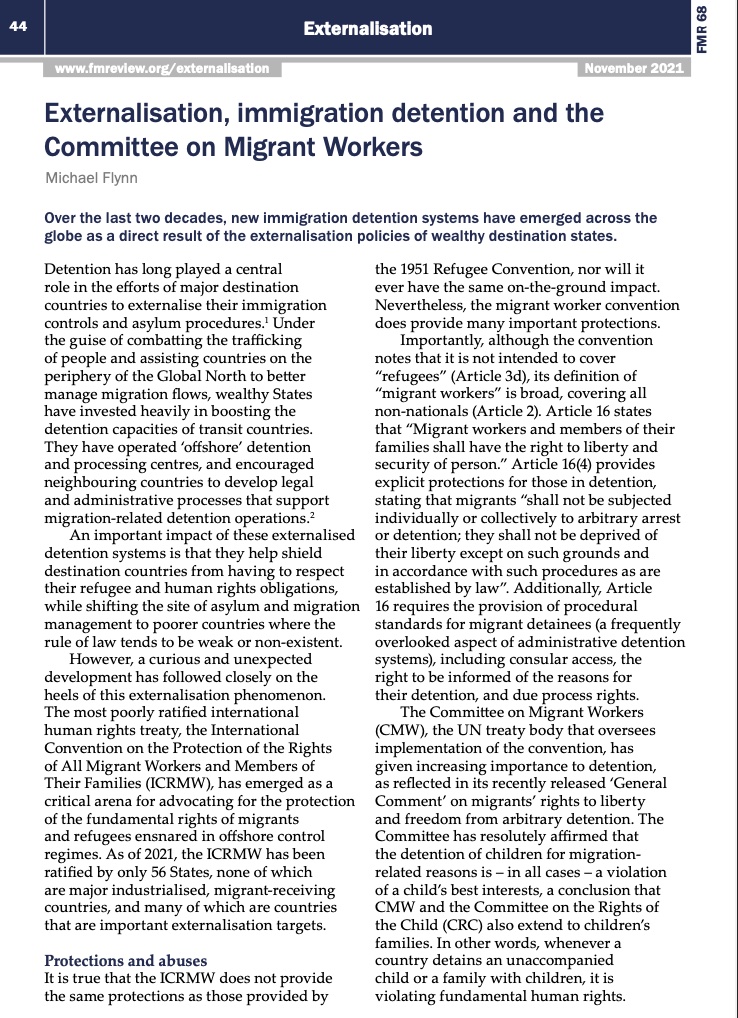
Externalisation, Immigration Detention, and the Committee on Migrant Workers
Detention has long played a key role in efforts to externalise immigration and asylum procedures. However, an unexpected development has resulted: The most poorly ratified international human rights treaty, the Migrant Workers Convention, has turned into a critical forum for advocating for the protection of the fundamental rights of migrants and refugees ensnared in offshore control regimes. […]
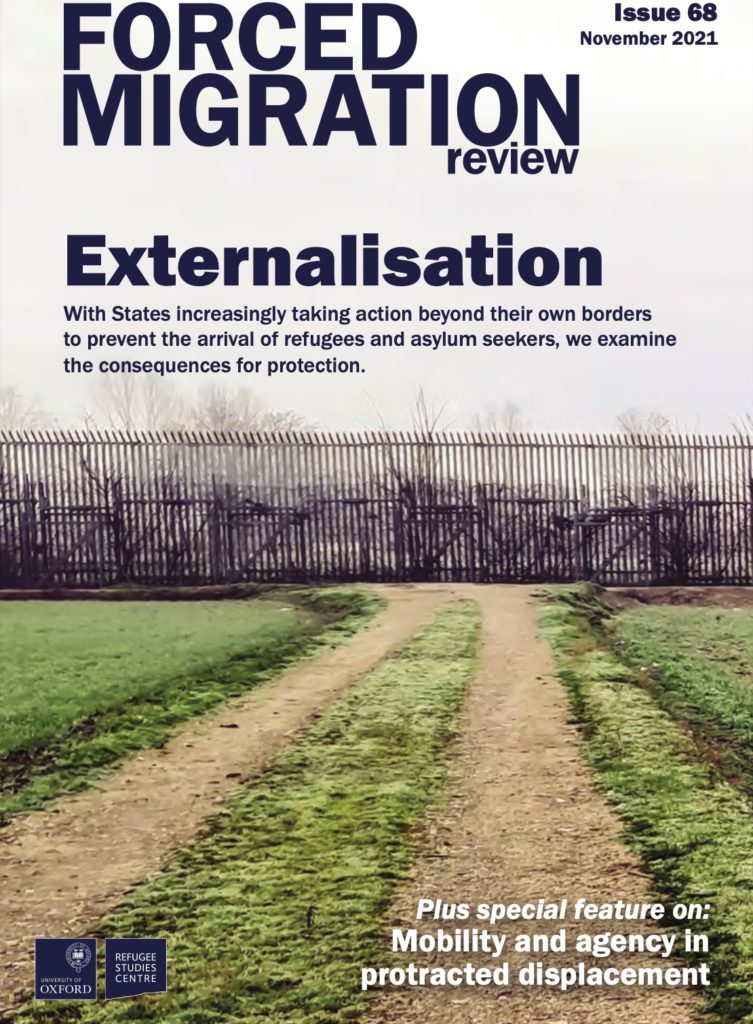
Forced Migration Review: Special Issue on “Externalisation”
In Forced Migration Review issue 68’s main feature on Externalisation, authors examine the consequences for protection when states increasingly take action beyond their own borders to prevent the arrival of refugees and asylum seekers, including an article by the GDP’s Michael Flynn on how the efforts of wealthy countries to externalise migration and asylum controls have […]
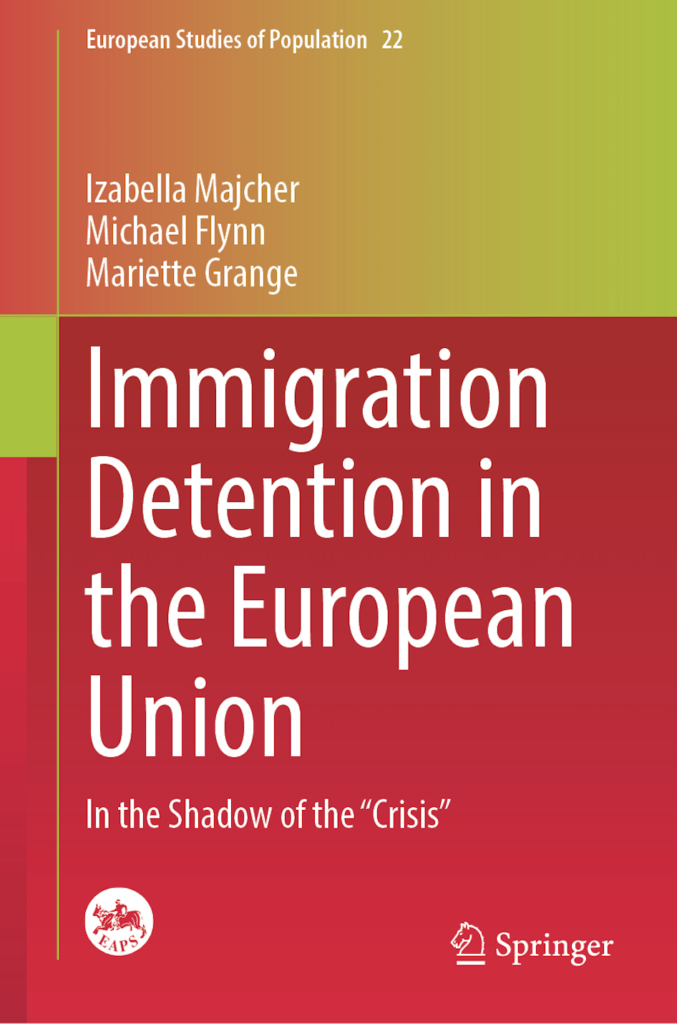
Immigration Detention in the European Union
This book offers a unique comparative assessment of the evolution of immigration detention systems in European Union member states since the onset of the “refugee crisis.” By applying an analytical framework premised on international human rights law in assessing domestic detention regimes, the book reveals the extent to which EU legislation has led to the adoption of laws and practices that may disregard fundamental rights and standards. […]
Using Detention to Talk About the Elephant in the Room
“Using detention to talk about the elephant in the room: the Global Compact for Migration and the significance of its neglect of the UN Migrant Workers Convention” – M. Grange and I. Majcher, International Journal of Law in Context In an article for the International Journal of Law in Context, GDP Advisor Mariette Grange and […]