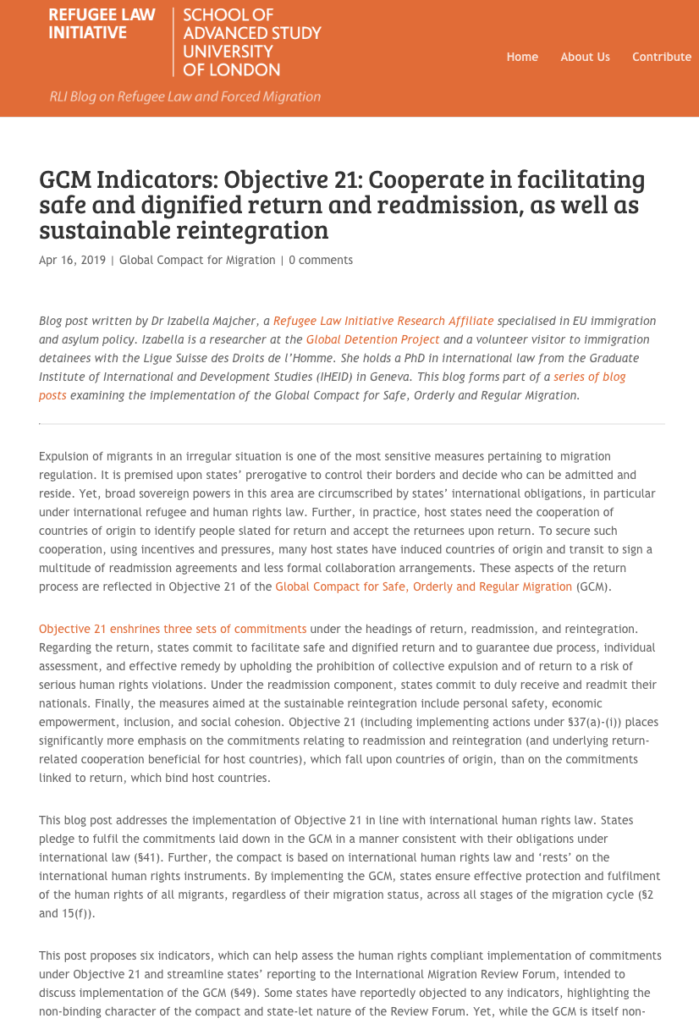
As part of the Refugee Law Initiative’s blog series exploring the implementation of the Global Compact for Migration (GCM), GDP Researcher Izabella Majcher addresses Objective 21 (“Cooperate in facilitating safe and dignified return and readmission, as well as sustainable reintegration.”) Majcher proposes focusing on six indicators, which draw from the provisions of binding international treaties, including the Convention against […]
Staff PublicationsArticles, blogs, books, chapters, op-eds, and other publications written by Global Detention Project staff members and advisers for journals, partner organisations, scholarly collaborations, or media outlets.
Articles, blogs, books, chapters, op-eds, and other publications written by Global Detention Project staff members and advisers for journals, partner organisations, scholarly collaborations, or media outlets.
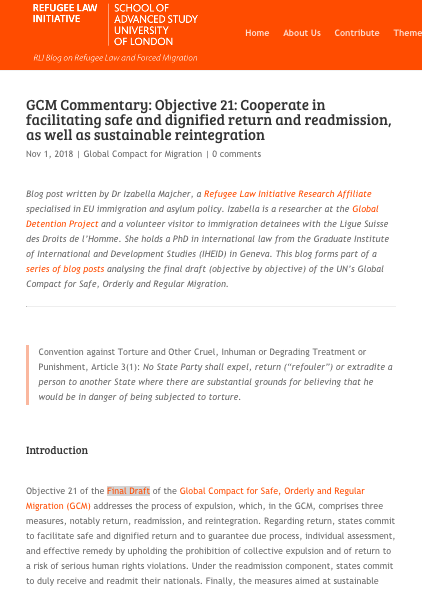
Commentary on the Global Compact’s Objective 21: Returns, Readmission, Reintegration
In mid-December, UN Member States will meet in Morocco to adopt the Global Compact for Safe, Orderly and Regular Migration. As part of a Refugee Law Initiative blog series assessing the final draft of the GCM, GDP Researcher Izabella Majcher examines the Compact’s Objective 21, concerning cooperation in facilitating safe and dignified return and readmission, […]
The Dilemmas of the International Organization for Migration
In June, Antonio Vitorino was elected Director General of the International Organization for Migration (IOM). Formerly a minister in the Portuguese government of the Socialist Prime Minister Antonio Guterres, Vitorino is only the second non-American director in the IOM’s history. Given the historical and political proximity between the IOM and the U.S. government, his election is a notable development. In this article for “The Conversation” (France), GDP Researcher Mariette Grange and Antoine Pécoud (Paris 13 University) examine the IOM’s relations with the U.S. and the organisation’s involvement in migration control “dirty work.” […]

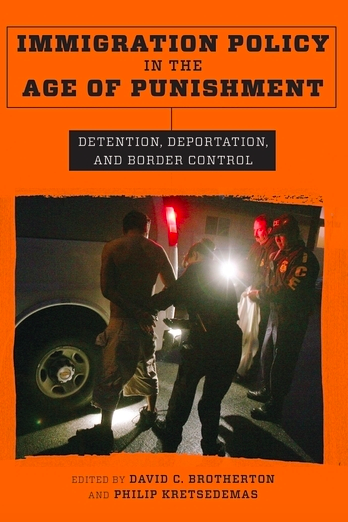
Critiquing Zones of Exception: Actor-Oriented Approaches Explaining the Rise of Immigration Detention
Immigration policy has catapulted to the forefront of public debate around the world as governments resort to increasingly restrictive measures to block migrants and refugees. While severe border policies are by no means new, this surge in migration control raises questions about the forces driving national policies. This chapter in the new book Immigration Policy in the Age of Punishment advances an actor-oriented analysis that views detention systems as complex organisations that rely on deeply rooted institutional structures to buttress their existence, multiple sources of financing to grow operations, and support from a broad array of social actors. […]
The EU Hotspot Approach: Hotspots and Plethora of Freedom-Restricting Measures
This themed blog series organized by GDP Researcher Izabella Majcher for the Oxford University-based Border Criminologies examines the EU hotspot approach from the perspective of the right to liberty and freedom of movement, highlighting the unclear division of roles and responsibilities between EU agencies and host member states, the blurred line between detention and reception, substandard material conditions, a lack of transparency, and differential treatment based on nationality, among a host of other concerns. […]

The Migrant Workers Convention: A Legal Tool to Safeguard Migrants Against Arbitrary Detention
Adopted in 1990 and in force since 2003, the UN Migrant Workers Convention is the most comprehensive international treaty in the field of migration and human rights. In this chapter, Mariette Grange details how the convention safeguards migrants against arbitrary detention. She explains, however, that as the convention has only been ratified by 51 states—none of which are industrialised, migrant-receiving countries—the full potential of the convention remains to be tested. […]
First Perspectives on the Zero Draft for the UN Global Compact on Safe, Orderly and Regular Migration
Following the recent publication of the Zero Draft for a UN Global Compact for Safe, Orderly and Regular Migration, 17 expert academics—including GDP Researcher, Izabella Majcher—provide commentary on the positive and negative aspects of the Objectives, as well as the necessary follow up. […]
Uneven Business: Privatisation of Immigration Detention in Europe
Europe reflects a variety of policy responses to the growth of the immigration control industry – from the privatisation of the management of entire immigration detention estates to keeping all detention facilities in official hands and employing private non-profit groups. In this chapter, Michael Flynn, Matthew Flynn, and Eryn Wagon detail the variety of levels and forms of privatisation adopted across the region, as well as the challenges that the outsourcing of immigration controls posits. […]
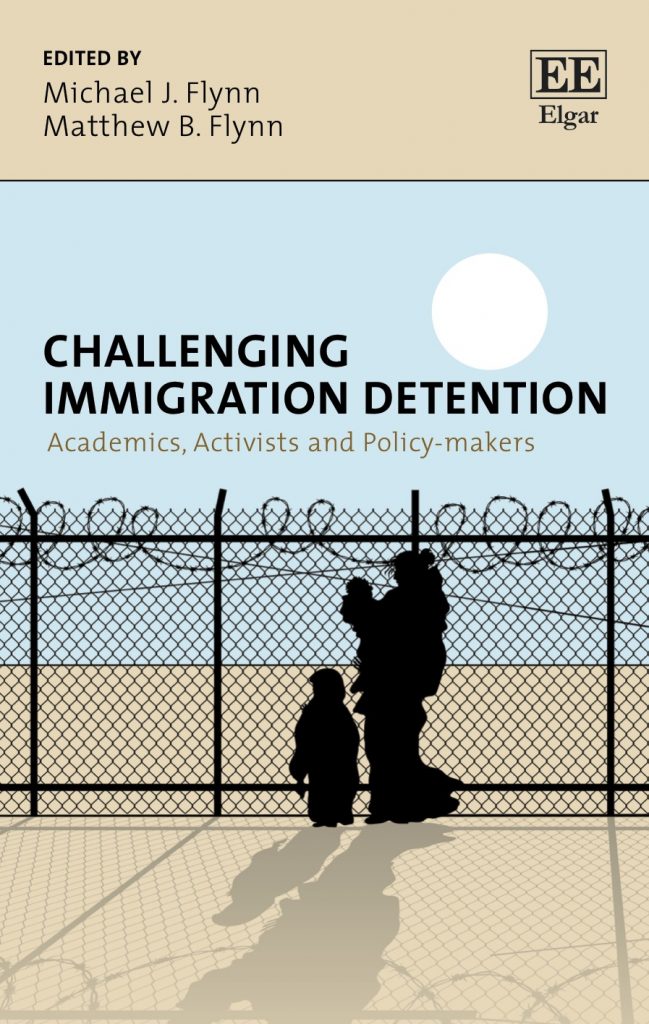
Challenging Immigration Detention: Academics, Activists, and Policy-Makers
Governments increasingly rely upon detention to control the movement of undocumented migrants and asylum seekers. Approaching detention from an interdisciplinary perspective, this new edited volume brings together leading writers and thinkers to provide a greater understanding of why it is such an important social phenomenon and suggest ways to confront it locally and globally. […]
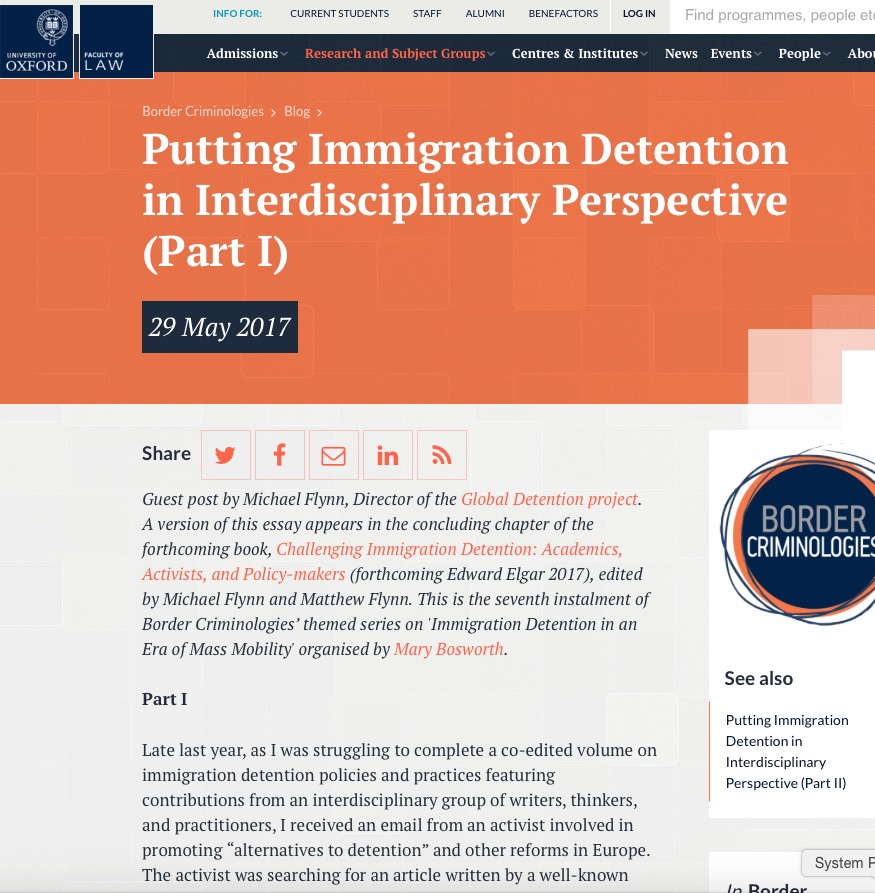
Putting Immigration Detention in Interdisciplinary Perspective
What can we learn from the interdisciplinary study of immigration detention regimes? Michael Flynn explains in this essay for Oxford University’s “Border Criminologies” research network. […]