Together with our Lithuania-based partner, the Human Rights Monitoring Institute (HRMI), the GDP submitted an alternative follow-up report to the UN Committee on Economic, Social and Cultural Rights (CESCR). The submission assesses Lithuania’s implementation of recommendations set out in paragraphs 14 and 15 of the Committee’s 2023 Concluding Observations, which address the treatment of asylum-seekers and undocumented migrants.
In particular, CESCR urged Lithuania to:
- Ensure that, by taking legislative and other measures, including the amendment to the Law on the Legal Status of Aliens, that all asylum-seekers, including those arriving in an irregular manner and in times of emergency, have access to information on asylum procedures and to legal aid, and have the right to apply for asylum and be assessed on an individual base, without discrimination.
- Recall that detention is only applied as a measure of last resort for asylum – seekers and undocumented migrants, following an individual assessment of its reasonableness, necessity and proportionality, and an examination of the alternatives;
- Take measures to ensure that undocumented migrants and asylum-seekers in accommodation sites have access to adequate food, clothes, other essential non-food items, health care, including psychosocial services, and information on asylum procedures and legal aid in a language that they understand;
- Take into account recommendations made in 2021 by the Committee against Torture in this regard.
Despite these recommendations, serious concerns persist. Observers continue to document pushbacks and instances of refoulement. In 2025, 1,652 foreign nationals were denied entry at unauthorised locations. Critically, the country’s pushback policy–which has been in place since 2021–was legally authorised in April 2023, when the Seimas passed amendments to the Law on the State Border and its Protection, which allow border officials, during a State-level emergency, to summarily return migrants at the border without providing an opportunity to seek asylum.
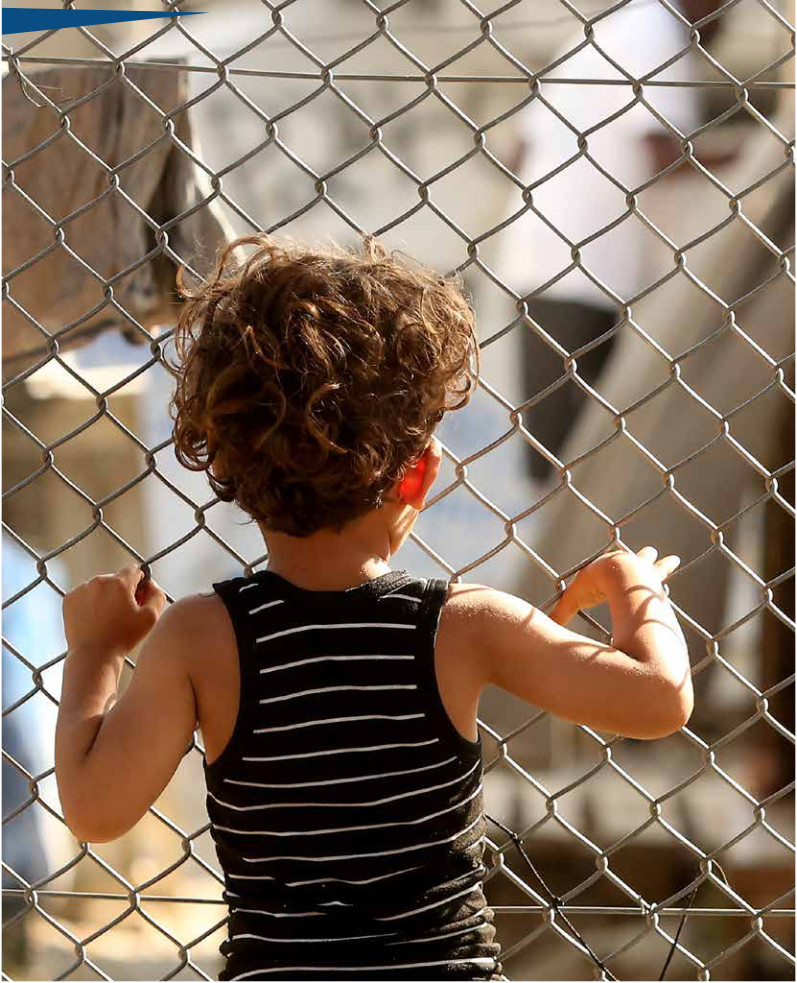
Although Article 4(13) of the amended law requires individualised refusal-of-entry decisions and excludes persons fleeing armed conflict, persecution within the meaning of the Refugee Convention, or those requiring humanitarian protection, the effectiveness of these safeguards has been widely questioned. Civil society organisations have documented numerous cases in which individuals seeking international protection—including children—have been pushed back across the border without proper assessment.
In the wake of a 2023 Constitution Court of Lithuania ruling, Lithuania has also introduced several amendments to its Law on Aliens. These include changes to Article 140-8 to provide for assessments of an asylum seeker’s age, health, family situation, and other individual circumstances prior to their placement in “temporary accommodation” (a form of accommodation which observers have previously argued amounts to de facto detention); and the addition of a new alternative to detention measure. However, concerns remain, such as the fact that it continues to fail to protect children against detention.
Concerns also persist regarding detention practices and conditions. As of January 2026, Lithuania operates one dedicated immigration detention facility—the Pabradė Foreigners Reception Centre (FRC), which partially functions as a non-secure accommodation site—alongside two holding rooms at the Vilnius Airport Border Guard Station and facilities within numerous border units. According to the Lithuanian Red Cross (LRC), newly arrived migrants are typically first detained in border units, where they are housed in “container-type” structures. In 2024, the LRC reported that most detainees remained in these units for three to five days, exceeding the 48-hour maximum set out in domestic law. Detainees described poor conditions, including lack of access to washing facilities and restrictions on phone use and contact with relatives, before being transferred to Pabradė FRC.
While conditions at Pabradė are generally reported to be better—featuring access to full sanitary facilities, hygiene products, and hot meals—and have improved in recent years, concerns remain. The LRC has highlighted insufficient access to interpreters, with medical staff reportedly relying on Google Translate; a lack of culturally appropriate food; and restrictions preventing detainees from taking food to their rooms. Particularly troubling are reports that newly arrived individuals, including children, are placed in quarantine buildings that civil society monitors are not permitted to access, and where no clear legal safeguards exist to prevent arbitrary or prolonged detention.
These findings raise serious questions about Lithuania’s compliance with its international human rights obligations and underscore the need for concrete legislative and policy reforms in line with CESCR’s recommendations.