In a submission with the Malaysia-based North South Initiative (NSI) and Myanmar Ethnics Organization (MEO), the GDP has urged the UN Committee on the Rights of the Child to demand that Malaysia immediately stop detaining child refugees, asylum seekers, and migrants for migration-related reasons. As the Committee’s Joint General Comment (No. 23/ No.4), issued with the Committee on Migrant Workers in 2017, states: “[C]hildren should never be detained for reasons related to their or their parents’ migration status and States should expeditiously and completely cease or eradicate the immigration detention of children. Any kind of child immigration detention should be forbidden by law and such prohibition should be fully implemented in practice.”
Malaysia’s immigration enforcement regime–which includes widespread raids and arrests, detention, forced removals, criminal prosecution, and corporal punishment–is one of the world’s most punitive, arbitrary, and harmful detention systems. Children, like adults, are subjected to these enforcement measures, exposing them to acute risk of abuse and rights violations.
Despite its poor human rights record, the country is an important destination for migrants, refugees, and asylum seekers. The Migration Data Portal reports that as of 2024, Malaysia hosted approximately 3.8 million international migrants. Meanwhile, according to UNHCR data, as of October 2025 the country hosted 211,360 refugees and asylum seekers, 64,801 of whom were children. The majority of the country’s refugees and asylum seekers originate from Myanmar (189,760), with Rohingya refugees forming the single largest sub-group (124,123). The route to Malaysia is often fraught with danger, with many reaching the country by boat after perilous sea journeys.
The Malaysian government has not ratified the 1951 Refugee Convention or its 1967 Protocol, and continues to handle refugees through an immigration control framework rather than rights-based system. As a result, all refugees are treated as “undocumented migrants” and are subject to arrest, detention, prosecution, and deportation under the Immigration Act. While UNHCR is permitted to conduct refugee status determination (RSD) and to provide refugees with assistance, registration with UNHCR does not confer legal immigration status and registered refugees remain vulnerable to aggressive immigration practices.
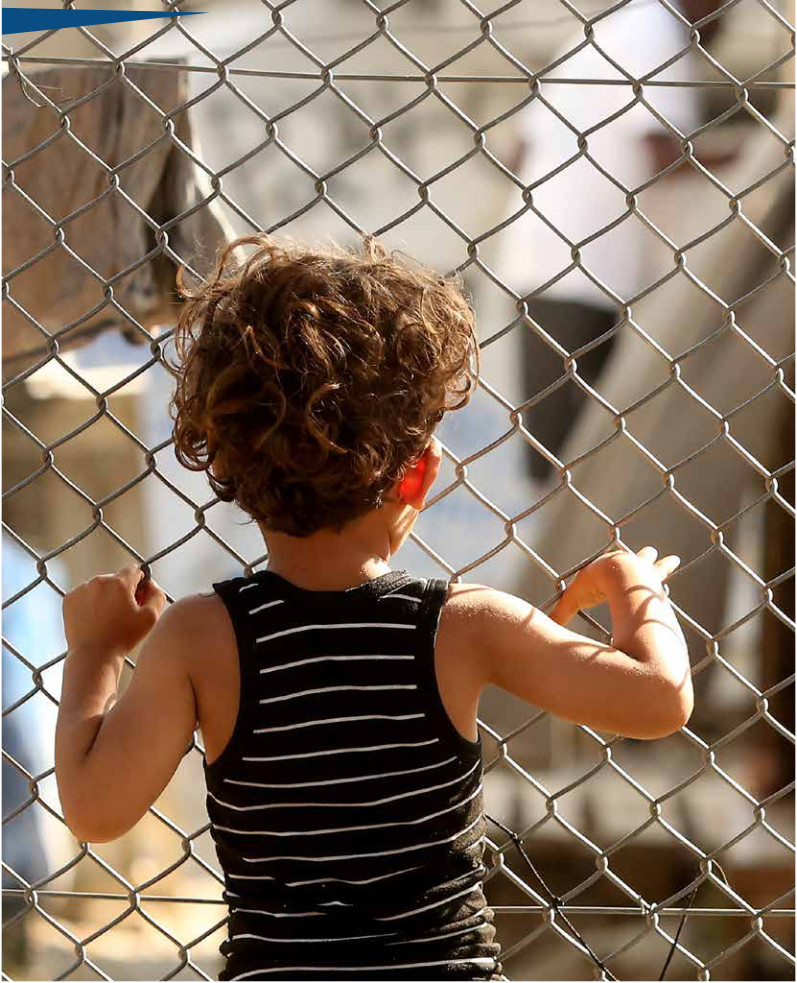
Every year, the Malaysian government detains thousands of irregular migrants, refugees, and asylum seekers–amongst them children–in the country’s network of detention facilities where detainees, particularly children, are at serious risk of physical and psychological harm.
In March 2024, Malaysian authorities launched a “voluntary Migration Repatriation Programme,” offering undocumented migrants the option to leave the country voluntarily without facing arrest or penalties. But alongside this, authorities have intensified their efforts to apprehend anyone who remains undocumented–ramping up raids and arrests since 1 January 2025 as part of a “year of enforcement.” According to Wan Mohammed Saupee, Kuala Lumpur’s Immigration Director, “Our goal is to create an ecosystem that is unconducive for illegal immigrants.”