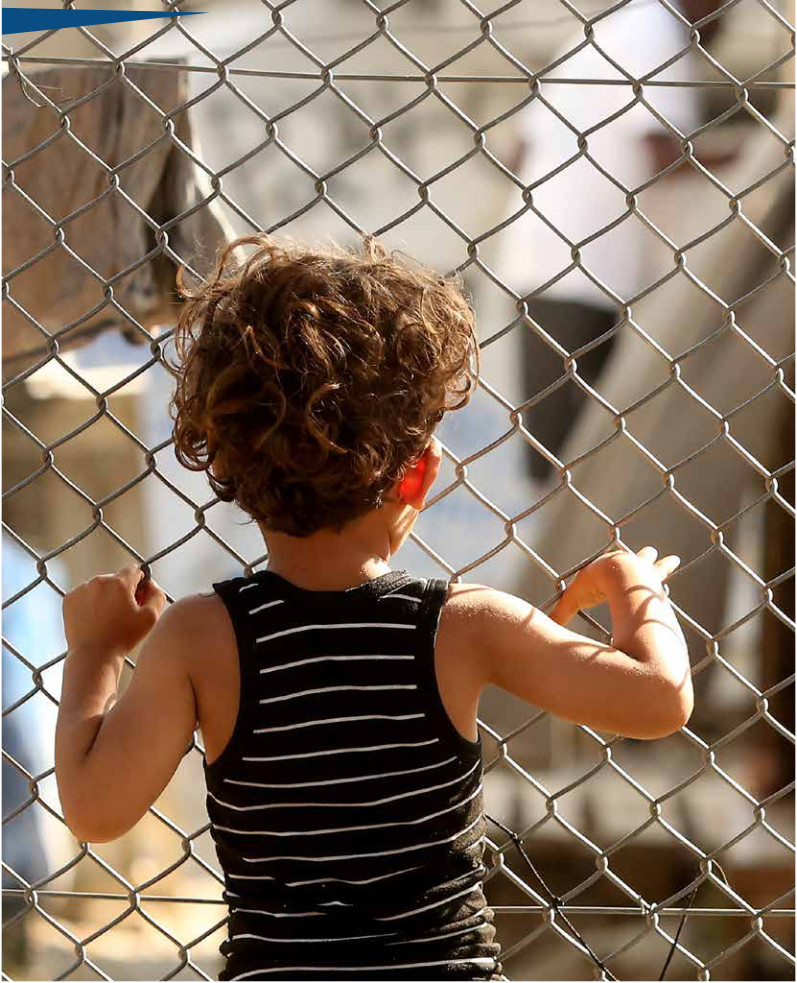
“Immigration detention exposes people to social and environmental conditions—overcrowding, poor sanitation, restricted care, isolation, and uncertainty—that systematically worsen health, particularly with prolonged confinement.”
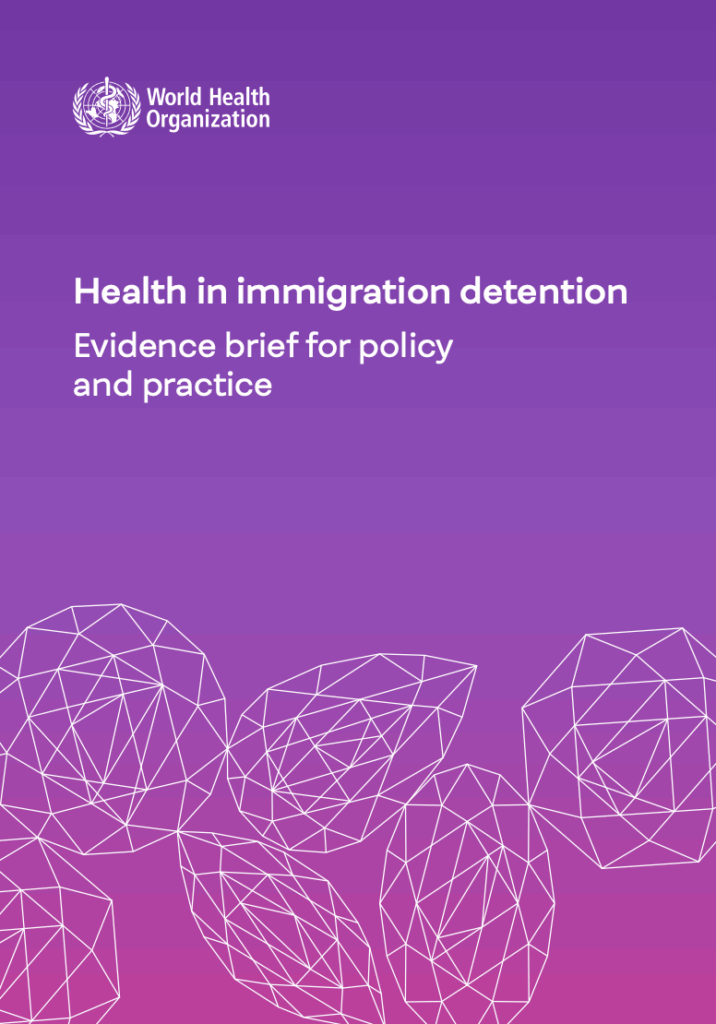
Based on an extensive review of evidence from scholarly studies, official documents, and human rights monitoring agencies, this new report from the World Health Organisation reveals the inherently harmful impact of immigration detention on the health and well-being of migrants, refugees, asylum seekers across the globe.
The report—authored by the Global Detention Project’s Michael Flynn with assistance from Sanja Milivojevic of the University of Bristol and GDP staff members—reveals how immigration detainees experience harmful social and environmental conditions, are often denied access to medical procedures and screening, and suffer lasting physical and psychological harms. Despite the growing body of evidence about its harmful impacts, immigration detention is rapidly expanding in nearly every region of the world.
Universal human rights standards require states to ensure that detention be used only as a measure of last resort and that children never be placed in immigration detention. The evidence summarised in this study reveals the urgent need for states to uphold these norms and to actively work to limit the use of detention measures.
With the objective of supporting evidence-informed policy-making to prevent harmful practices, the report—one of a series of thematic reports produced for a WHO Special Initiative on Health and Migration—calls for stronger safeguards, improved conditions, timely health screening and care, and careful review of the reasons for placing people in detention. The report concludes: “Ultimately, to prevent the damaging health impacts of detention, immigration detention should be avoided during migration and asylum proceedings.”
Overview of Health Outcomes
- Social and environmental determinants of health negatively impact the health and well-being of detainees through poor living conditions within immigration detention centres; the length of detention worsens health outcomes during and after detention.
- Infectious diseases are linked to overcrowding, poor sanitary conditions, and other environmental hazards and pests in detention centres.
- Noncommunicable diseases are exacerbated by other migration-related vulnerabilities combined with gaps in health care.
- A high prevalence of mental health issues was found among detained immigrants both during detention and after release, as a result of the conditions during detention, the uncertainty in the length and outcomes of detention measures, and/or trauma before and during migration, such as anxiety, depression, and post-traumatic stress disorder.
- There are a range of gender-specific detrimental health outcomes caused or exacerbated by the conditions within and characteristics of immigration detention, such as higher levels of depression, worse physical health impacts, and insecurity.
- Detaining children in immigration detention violates their rights under international legal instruments, and they are particularly vulnerable to the negative health impact of detention.
- Gaps in screening people for health problems and other vulnerabilities associated with their individual experiences and case histories negatively impact health and well-being by failing to identify existing conditions or health problems that emerge while in detention.
Health Care Access and Availability
- Unavailable, fragmented, and delayed health care was found to be common in immigration detention, the extent depending on the type of immigration detention and health care providers, available medical documentation, and referral systems.
- There are gaps in the availability, knowledge, and skills of staff and health care professionals, with reported lack of doctors, interpreters, and psychological health care providers for both initial health screening and follow up.
- Migrants’ access to and quality of health care services within and after immigration detention is hampered by distrust of immigration detention staff and cultural and language barriers.