The UN Committee against Torture (CAT) has echoed concerns raised by the Global Detention Project and our partner in Israel, the Hotline for Refugees and Migrants (HRM), regarding the country’s detention of migrants, refugees, and asylum seekers. While the CAT review was dominated by human rights violations in Gaza and the West Bank, the Committee highlighted poor conditions in immigration detention facilities, as well as worrying legislative developments that place non-nationals at risk of both indefinite detention and refoulement.
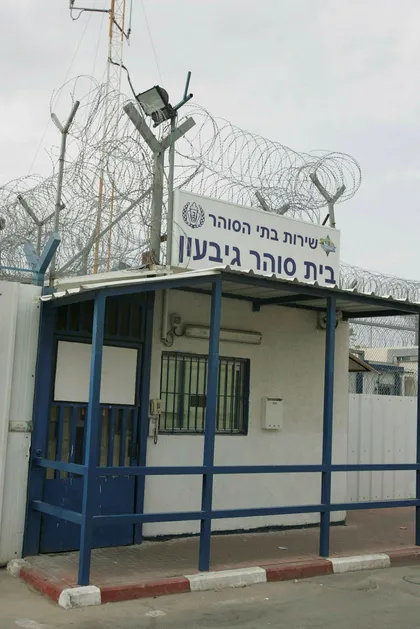
For years, Israel has employed detention as a key tool to control unwanted immigration, and authorities have regularly used it to “persuade” foreigners to leave the country, or to act as a deterrent against would-be asylum seekers and migrants. As of December 2025, Israel operates two immigration detention facilities: Givon Detention Centre (in Ramla) and the Yahalom Detention Centre at Ben Gurion Airport (which is temporarily closed while it undergoes renovations). According to data published by the Ministry of Justice, Israel detained and deported 11,439 migrants between 2022 and 2024.
Legislative Changes
In 2025, several pieces of legislation have been introduced and proposed which, if passed and implemented, will dramatically impact the rights of migrants, refugees, and asylum seekers in the country. This includes the Basic Law: Entry, Immigration, and Status in Israel which if passed, would allow for unlimited administrative detention, amongst various provisions.
Meanwhile the Bill for the Immediate Deportation of Infiltrators Who Support the Regime in Their Country of Origin or Committed Crimes in Israel (Amendment No, 41 to the Entry into Israel Law), which was passed in June, enables the detention and deportation of Eritreans–who are protected under the principle of non-refoulement–and applicants with pending asylum claims, based on alleged regime support, as well as any foreign national convicted for offences punishable by three years or more. As the GDP and HRM wrote, “the amendment creates a mechanism that bypasses the Israeli asylum system and disregards the legal obligation to properly examine asylum claims in accordance with both international and domestic law.”
The Committee against Torture noted these concerns, highlighting both pieces of legislation and urging Israel to “ensure that no person is expelled, returned or extradited to another State where there are substantial grounds for believing that they would be in danger of being subject to torture,” and to ensure that “detention for the purposes of deportation is applied only as a last resort, when assessed to be strictly necessary and proportionate in the light of an individual’s circumstances, and for the shorted possible period.”
Detention of Vulnerable Groups
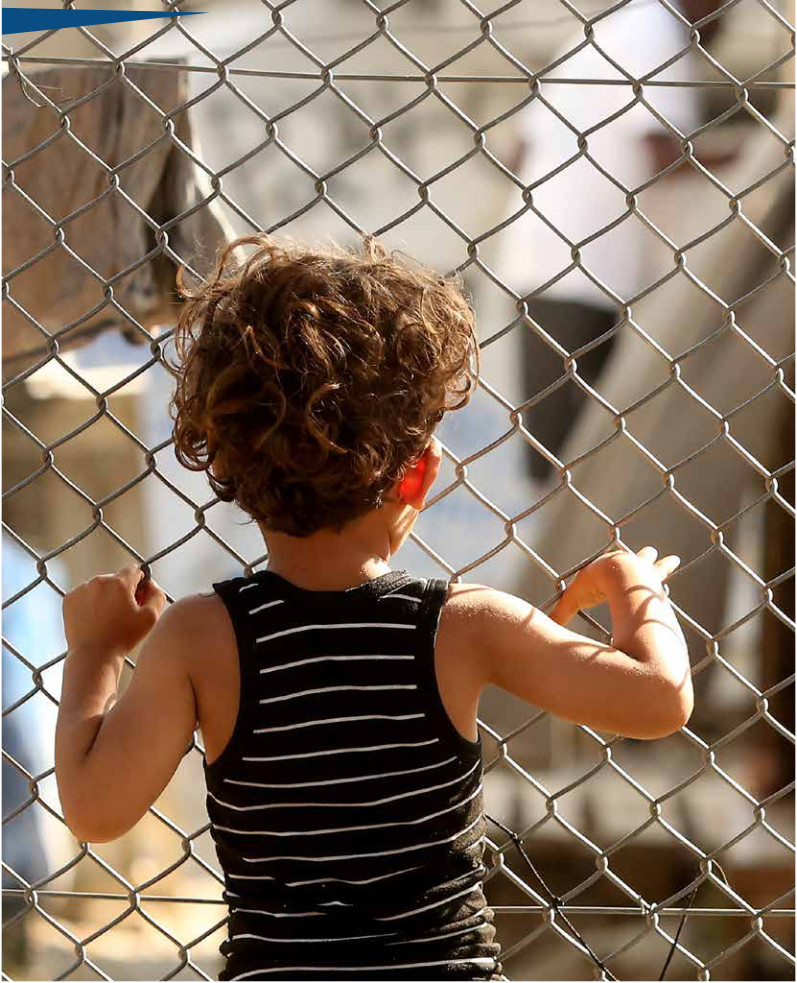
Children: Israeli law does not prohibit the detention of children, and non-citizen children are routinely detained in specialised detention centres.
Asylum Seekers: Israel approves very few asylum requests. Instead, it offers ‘collective protection’ to certain groups (Eritreans, Sudanese, Ukrainians, and some Congolese) which is intended to shield them from removal. Nevertheless, the country continues to detain those within this framework, despite the impossibility of their deportation.
The Committee raised concerns regarding both of these groups, reminding the State Party that “Children and families with children should not be detained solely for their immigration status” and urging it to “Revise its legislation to ensure that all asylum-seekers and other persons in need of international protection, including unaccompanied children, who arrive or attempt to arrive in the State Party have access, regardless of their legal status and mode of arrival, to fair, effective and individualized refugee status determination procedures anre are not forcibly returned to a country where they could face torture or ill-treatment.”
Poor Detention Conditions
Despite frequent criticism by observers regarding conditions in Israel’s immigration detention facilities—the Yahalom Detention Centre and Givon Prison—many concerns that have repeatedly been highlighted, such as the presence of bedbugs, remain unaddressed. The GDP and HRM note, in particular, the fact that while Yahalom undergoes renovations, those denied entry upon arrival are held in ad hoc locations within the airport–such as the duty-free area, employees’ break rooms, and a tent outside the airport. In response, the Committee called on Israeli authorities to “ensure adequate detention conditions and decent treatment in all places of detention or internment of asylum-seekers and immigrants, in line with international standards.”
The urgency of such reforms was made even more pressing in the wake of the release by the Public Defender’s Office of its 2023-2024 detention monitoring report shortly after the committee’s session, which noted that: “At Givon Prison in August 2024, many inmates in Wings 2 and 3 reported the presence of bedbugs. In Cell 8 of Wing 3, detainees showed visitors bedbugs they had collected in a jar and blood stains on the walls. One detainee from this cell stated that throughout all eight months he had been held in this wing, the bedbug problem persisted continuously.”
A Step Forward, But Concerns Remain
Commenting on the Committee’s recommendations Sigal Rozen, Public Policy Coordinator at HRM, said: “Out of the Committee against Torture’s 18-page concluding observations, an entire page was devoted to Israel’s violations of the Convention in relation to refugees and migrants.”
The GDP welcomes the Committee’s work in holding the State Party to account for its treatment of non-nationals, and hopes that the Committee’s guidance will be used to ensure greater compliance with the Convention. At the same time, however, we regret that several concerns were not raised. These include:
Detention amidst war: During the 12 day war between Iran and Israel in June 2025, non-nationals remained confined in detention facilities, even though Ben Gurion Airport was closed and deportation become impossible. Moreover, detainees at Givon Prison were not provided with adequate missile protection. Instead, they were merely instructed to lie under their beds with hands on their heads, as far from the windows as possible. (The acute vulnerability of detained non-nationals in situations of conflict is something the GDP has previously highlighted, such as the case of Ukraine in 2022.)
The treatment of migrants, refugees, and asylum seekers on and after October 7: State support for foreign survivors of the October 7 Hamas massacre was extremely limited. Authorities failed to provide psychological or financial assistance, and did not supervise to ensure that workers’ employers would not send them back to at-risk areas. Testimonies collected by HRM reveal that some foreign migrant workers were taken by soldiers to work on a dairy farm which had been attacked by terrorists–just two days after the attack. The danger that these workers faced is underscored by the case of Reuven Heinik, a dairy farmer from Kibbutz Kissufim who went to tend to his cows on 9 October and was murdered by Hamas terrorists hiding on his farm.
Read the GDP’s and HRM’s full submission here.
Read the CAT Concluding Observations here.