Since our last update in December 2022, the Dominican Republic has continued to step up its policy of mass deportations of Haitians, violating the rights and dignity of non-nationals despite numerous calls for authorities to moderate their actions. To facilitate these deportations, the General Directorate of Immigration has announced plans to establish a new immigration detention centre in Ciudad Juan Bosch.
As the GDP previously reported, large numbers of Haitians live in the Dominican Republic. But since 2022 in particular, President Abinader and his government have taken an extremely hard-line stance against undocumented migrants (principally Haitians)–commencing the construction of a border wall between the two countries, and conducting raids and mass deportations.
In September 2023, a broad group of UN human rights monitoring bodies denounced the Dominican Republic’s abuses suffered by pregnant and postpartum Haitian women who seek medical assistance. In a press release, the experts–including the Special Rapporteur on the human rights of migrants, the Special Rapporteur on violence against women and girls, the Working Group on Arbitrary Detention, amongst others–said that they “are particularly alarmed by reports of arrests, detention and deportation of Haitian migrant women who are pregnant or who have recently given birth in the Dominican Republic.” They added: “The Dominican Republic must end the intimidation, detention and deportation of pregnant migrant women seeking medical care.”
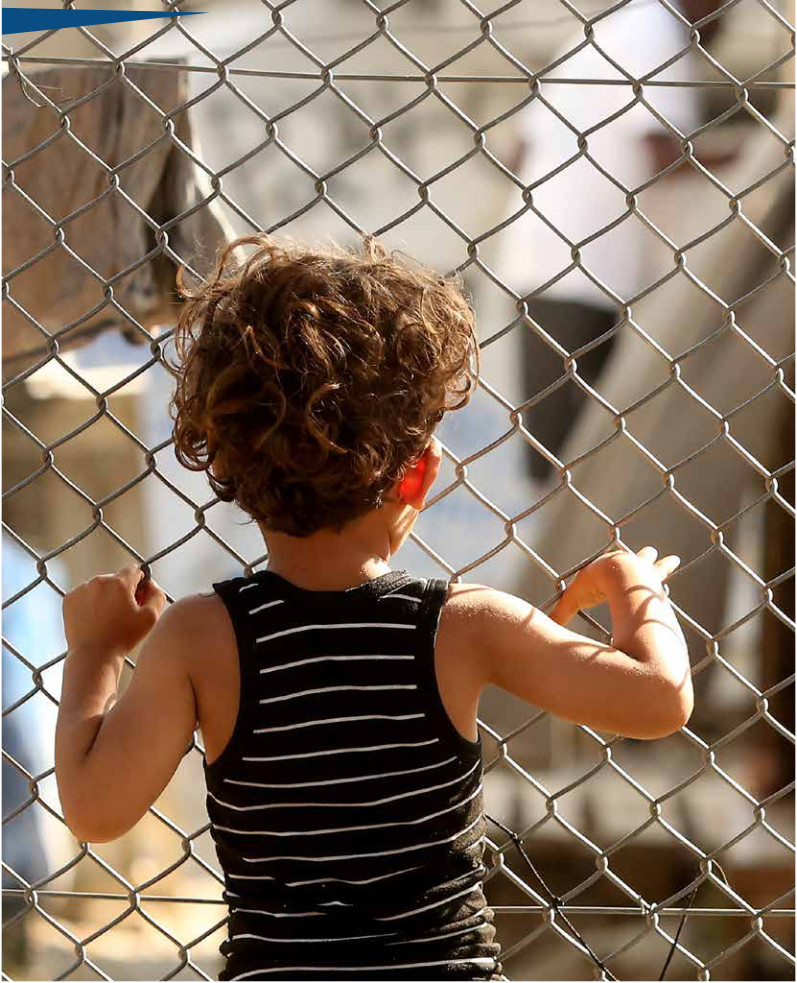
Despite these and other recent calls to stop forced removals, the General Directorate of Immigration (DGM) reports that between January and October 2023, authorities deported 206,684 undocumented migrants–some of whom had been arrested by the army at their homes in the middle of the night. Large numbers of children are also amongst those expelled: in November 2022, UNICEF reported that so far that year 1,800 unaccompanied minors had been forcefully returned to Haiti.
In October 2023, the UN Committee on the Rights of the Child noted its concern regarding the detention and deportation of children. It stated:
“With reference to joint general comments No. 3 and No. 4 (2017) of the Committee on the Protection of the Rights of All Migrant Workers and Members of Their Families/No. 22 and No. 23 of the Committee on the Rights of the Child (2017) on the human rights of children in the context of international migration and the Committee’ s general comment No. 6 (2005) on treatment of unaccompanied and separated children outside their country of origin, the Committee urges the State party, with immediate effect:
(a) To halt the detention, deportation and arbitrary expulsion of Haitian migrant children, paying particular attention to unaccompanied children, ensuring that public authorities fully comply with the principle of ensuring that the best interests of the child are the primary consideration in all decisions in order to prevent family separation, promote family reunification and cease forced institutionalization and guarantee that children have effective access to refugee status determination procedures and to international protection.”
Highlighting the government’s refusal to heed international calls for moderation, in November 2022 the GDP’s partner in the Dominican Republic, OBMICA, stated
“The current government’s dialogue with international organizations and foreign governments shows the intransigence and opposition of the Dominican administration to every call for moderation in the heavy-handed immigration policy.”
Abusive Treatment – And A New Detention Centre
While some are deported immediately, others are briefly detained in “reception centres” where they are commonly denied the ability to obtain legal assistance, challenge their detention, or to contact family. This includes persons who are legally protected from detention by the country’s General Migration Law–including pregnant and postpartum women, the elderly, and children. Numerous reports also indicate that Dominican children born to migrant parents have also been caught up in raids and detentions.
Observers have frequently raised concerns regarding migrants’ treatment during detention and deportation operations and in detention facilities. According to the US State Department, concerns include:
“Arbitrary detentions, physical abuse of detainees, home entries without a warrant, revocation or destruction of identity documents, theft of personal belongings by migration agents, children being kept in cells with adults, sexual violence, inadequate access to healthcare throughout the deportation process, the unlawful deportation of unaccompanied children and pregnant or lactating mothers, and other hostile or abusive treatment.”
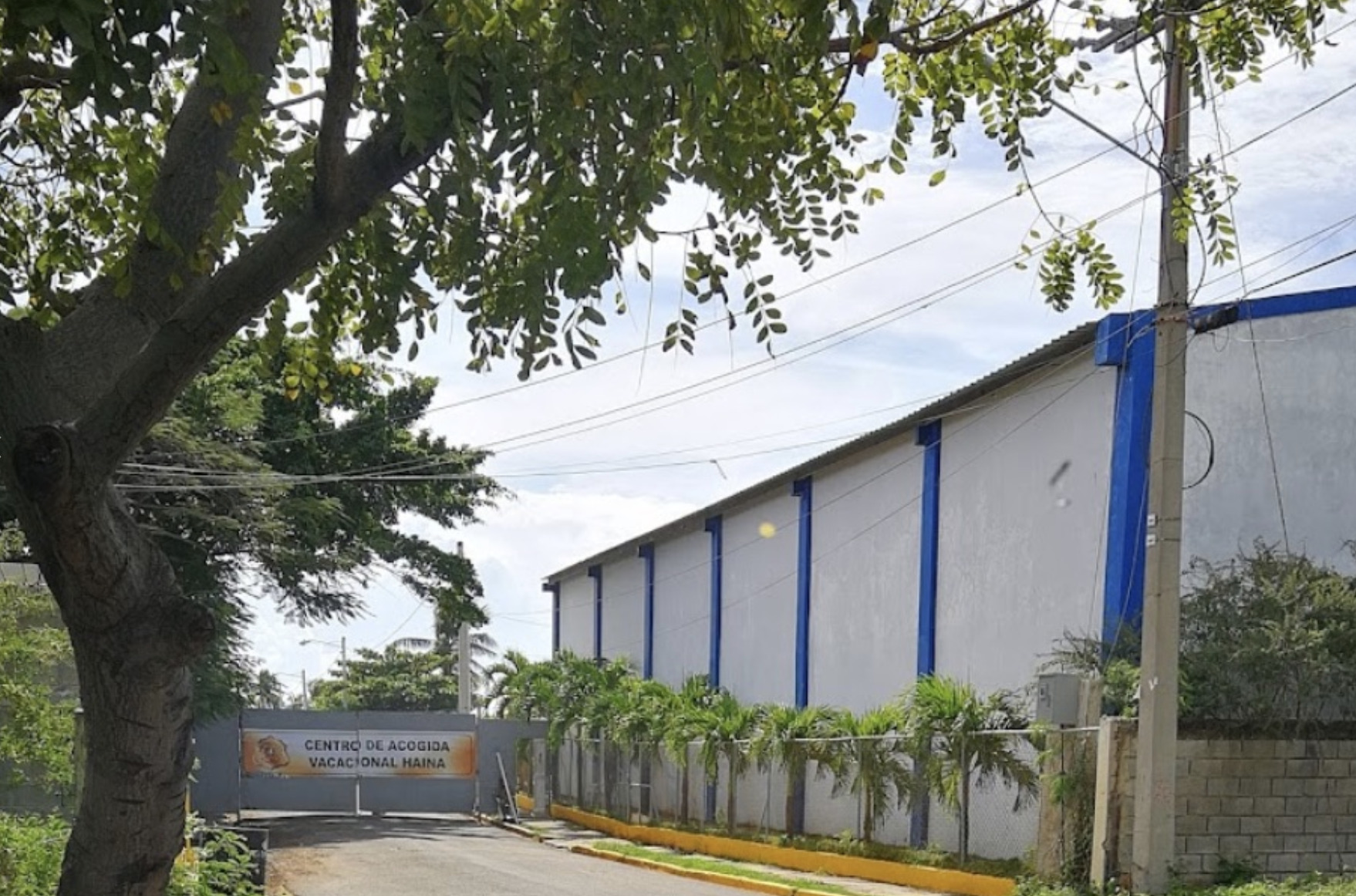
The situation in the Centro de Retencion Haina (Centro Vacacional de Haina) has been particularly denounced within the media. Reports highlight issues such as serious overcrowding, abusive treatment, and corruption amongst staff.
In October, the DGM announced plans to open a new immigration detention facility in Ciudad Juan Bosch (in Santo Domingo Este). According to the Directorate’s news release, this new centre is intended to detain non-nationals apprehended in the country’s eastern provinces as well as Greater Santo Domingo, instead of their being placed in the Centro de Retencion Haina which currently receives migrants from across the country.
The news release also claimed that the centre will “provide better treatment to detained illegal aliens in the country, within the framework of respect for human rights and international agreements,” while also affirming that it is intended to provide greater capacity to the DGM in order to “respond more effectively in the fight against irregular migratory flows.”