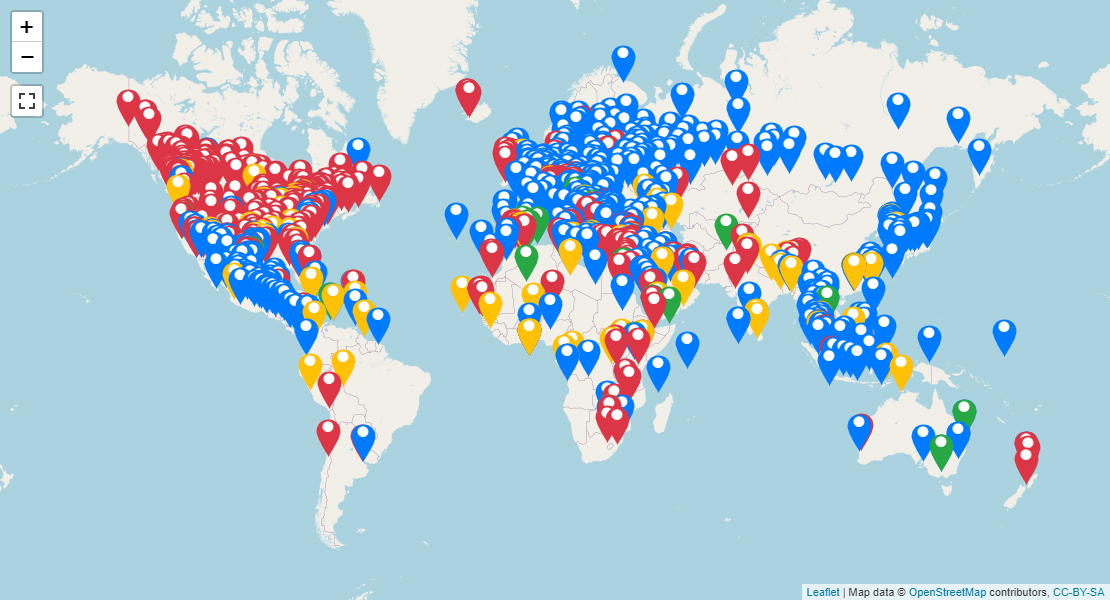
Recent Country Updates

GDP News & Publications

  • Press Release (14 March 2013): Access Info Europe and the Global Detention Project today submitted 66 information requests to 33 governments as part of an initiative aimed at improving transparency of immigration detention practices. For more information, see this press release.
  • GDP Consultancy Announcement (11 March 2013): The Global Detention Project is seeking an experienced researcher to assist us in producing a report on detention practices in Arab Gulf states. For more information, see the official annoucement here.
  • Conference presentation: On 7 December 2012, Michael Flynn, coordinator of the Global Detention Project, gave a paper at the 30th Anniversary Conference of the Refugee Studies Center of the University of Oxford. The paper was entitled "Liberty v. Security: How the Promotion of Fundamental Rights Can Encourage the Expansion of Immigration Detention."
  • Workshop: The Global Detention Project co-organized with the Mekong Migration Network a workshop on immigration detention at the 9th Asia-Europe People's Forum in Vientiane, Laos, which took place during 16-19 October 2012. As part of the panel, Michael Flynn gave a presentation titled "Immigration Detention in Europe: Lessons for Asia."
  • Public lecture: On 27 September 2012, Mariette Grange, senior researcher at the Global Detention Project, gave a presentation at a public forum at the University of Geneva called "Les migrations: une question de genre?" Her paper was titled "Quand la minorité impose sa loi à la majorité: paradoxes de la migration masculine dans les pays du Golfe Persique."  


Apropos

“[Immigration] detention is the opposite of criminalization in the sense that it is putting people in prison without using the criminal process. ... The present system we have is one of administrative discretion that allows a vast amount of detention to go on without any proper rules of law and oversight. If there is going to be detention it should be criminal rather than administrative. That would make it much harder to detain. Governments would have to rethink because the criminal process is just a lot more difficult, and more costly, and more demanding.”

Dan Wilsher, Presentation at the Graduate Institute, 8 March 2012.


“The modern prison is assigned the task of administering its inmates’ lives to foster ‘docile and useful bodies.’ … The immigration detention center, by contrast, is a pre-modern prison--nothing more than a site for the punishment and permanent removal of ‘wasted’ bodies.”

Shahran Khasravi, 'Illegal Traveller: An Ethnography of Border (Palgrave 2010)


"Allowing the private sector to run immigration detention will mean ... an ever increasing number of people coming into the system and staying there longer ... as companies seek to maintain and expand their markets."

 
Stephen Nathan, Presentation at the Graduate Institute, Geneva, 2 March 2010


"Justice [Sonia] Sotomayor’s opinion in the [2009 U.S. Supreme Court] case, Mohawk Industries v. Carpenter, No. 08-678, marked the first use of the term 'undocumented immigrant,' according to a legal database. The term 'illegal immigrant' has appeared in a dozen decisions."

 
New York Times, 8 December 2009


Featured Countries


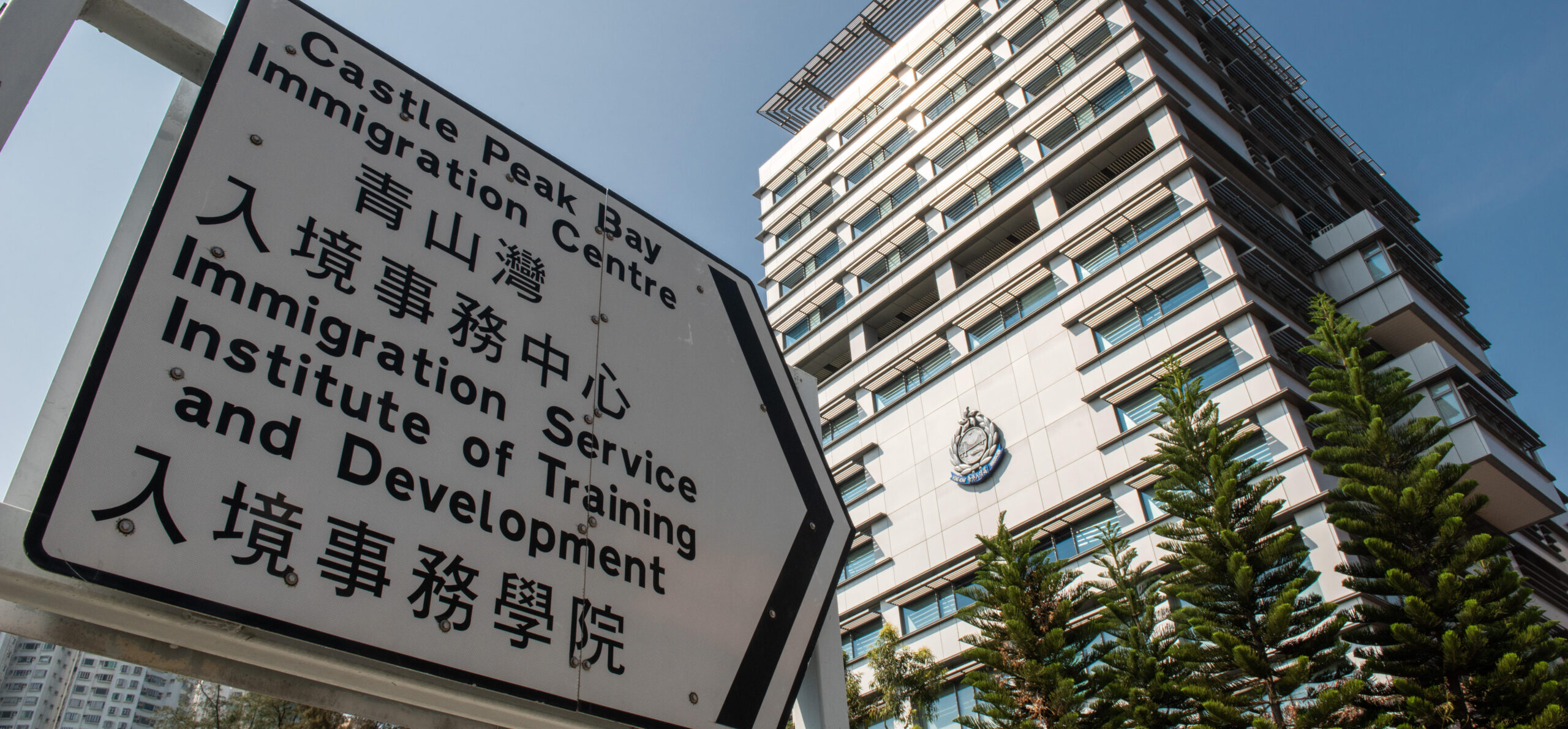
Japan

Although its foreign-born population is very small compared to that of other immigration destination countries, Japan has struggled to overcome widespread public anxieties about foreigners and develop ways to meet migrant labour needs. One strategy has been to reduce non-nationals in irregular situations while accelerating immigration of skilled workers. An important tool used to implement this policy has been mandatory detention of over-stayers and other unauthorized migrants. Many of the country’s detention practices—including indefinite detention, lack of transparency regarding detention at ports of entry, and the detention of asylum seekers—have been repeatedly criticized by the international community as well as national civil society.


View the entire profile


Spain

As a key EU border country, Spain has played an important role confronting migratory flows into the region. It has worked with Frontex to interdict smuggling vessels off the coast of West Africa, collaborated with Morocco to shore up border controls, and paid for a detention centre in Mauritania. Since the early 1990s, the country has also boosted its internal detention estate, the operations of which have come under intense scrutiny because of the legal uncertainty confronting detainees and the derelict state of many facilities. Although the country has a reputation for being more welcoming of migrants than many of its European neighbours, Spain’s severe economic crisis has led to growing xenophobia. After a recent visit to the country, the UN Special Rapporteur on Racism said: “The economic crisis should not become the reason for rolling back progress in the fight against racism and xenophobia. There is already an on-going dynamic that the government should seriously take into consideration in order to avoid a deterioration of the situation with regard to racism.”


View the entire profile


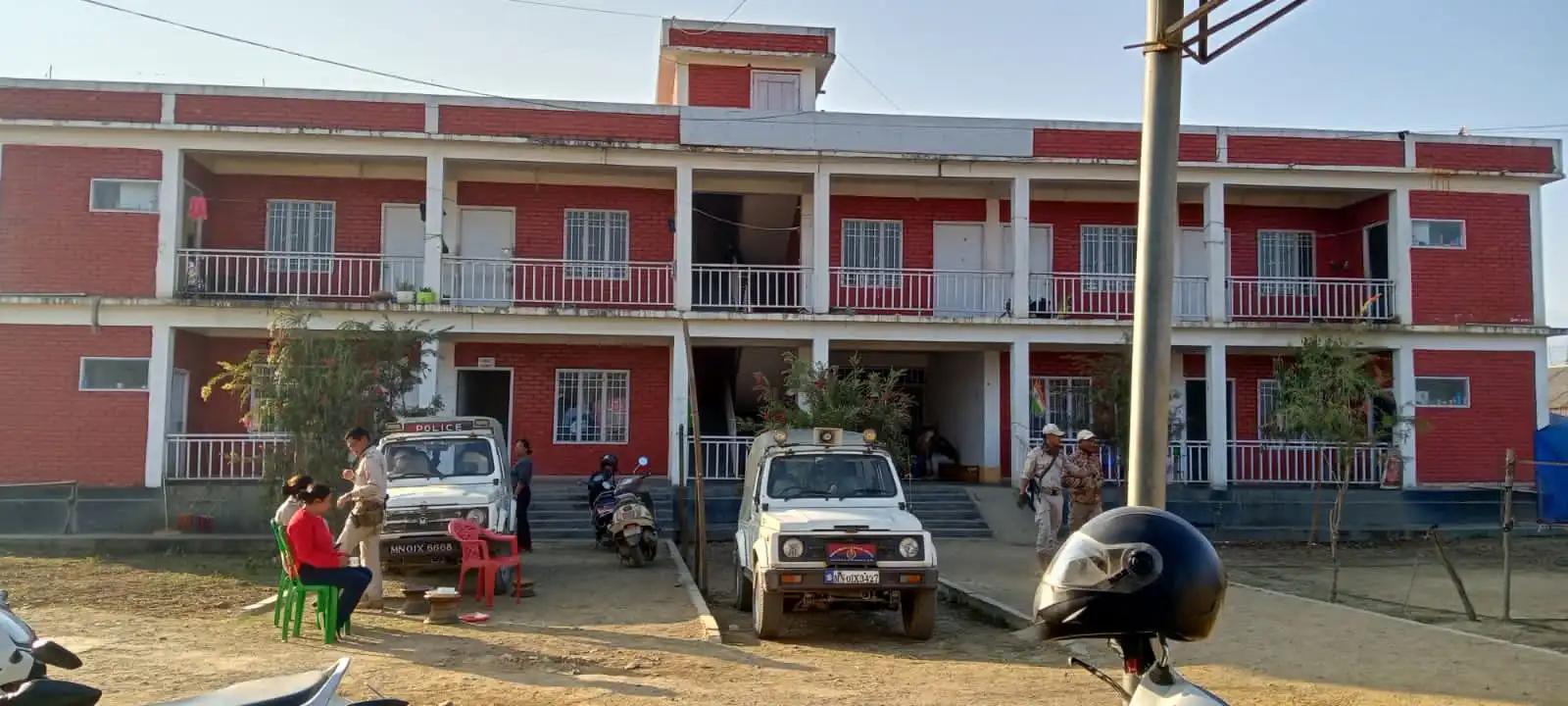
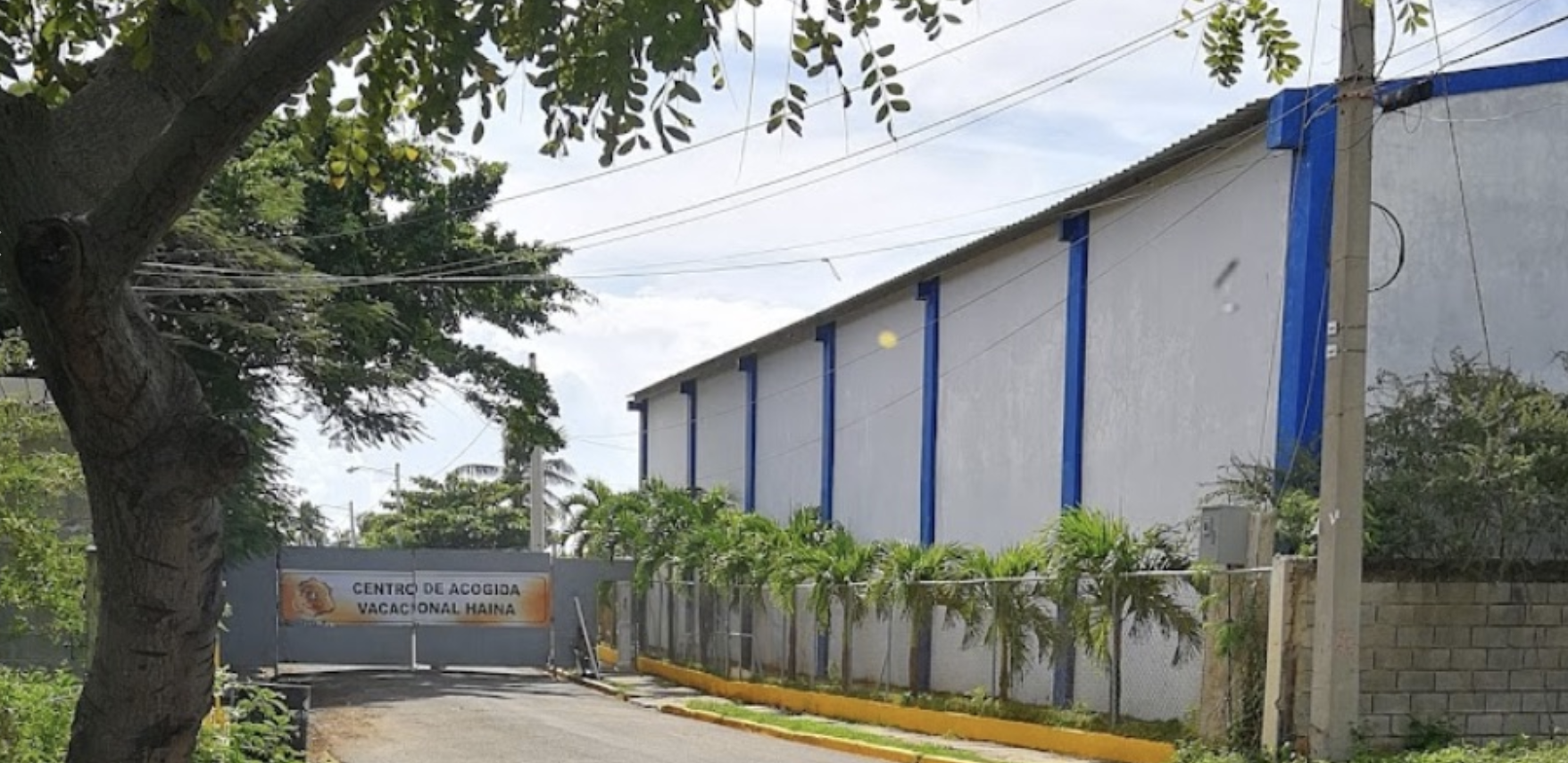
Mexico

Mexico’s dual roles as a source and transit country for migrants traveling to North America have helped conspire to make it one of the most active detaining countries in the world. With a long-term detention capacity of more than 3,500, the country’s immigration detention estate is bigger than those of large European countries like France and Spain. During 2012, the country detained nearly 90,000 migrants. This compares to 10,000 in Italy in 2011 and 25,000 in the United Kingdom in 2010. In 2011, the country adopted its first comprehensive immigration legislation, the Ley de Migracion. Although widely viewed as an important step forward in the effort to protect the rights of immigrants in Mexico, observers have expressed concern that protections provided for vulnerable people, like children, are often not followed. In 2012, Mexico detained more than 6,000 minors.


View the entire profile


Poland

Although it is not a major immigration destination country, Poland is viewed by the European Union as one of the region's key border countries, a fact symbolized by the EU's decision to base its border protection agency, Frontex, in Warsaw. Even before it joined the EU, Poland's neighbors spent lavishly to boost the country's border controls. The country's sizable immigration detention infrastructure reflects its intended role as a gatekeeper for the region. It currently boasts 12 long-term detention centres, which have a total capacity of just under a 1,000. Observers report that these facilities are rarely at capacity. Despite this, many of the facilities appear to be unable to provide basic services to detainees, which has led to a series of protests and hunger strikes. The turmoil spurred the government to undertake a thorough review of detention conditions last December. Among the concerns expressed by Interior Ministry officials was the need to prevent the country from looking like a "Polish hell."


View the entire profile


Ukraine

Although Ukraine has seen a steady decrease in the numbers of arriving and transiting migrants in recent years, EU policymakers remain fixated on the country as a stepping stone into Europe. A case in point are the enormous sums of money Europe has spent to boost its detention capacity. In 2011, 30 million Euros were allocated to build nine new detention centres in Ukraine, reportedly with the aim of locking up “readmitted” migrants sent by EU countries. However, even Ukraine’s Accounting Chamber, a parliamentary body that oversees the use of the national budget, has contended that the country’s existing migrant detention capacity exceeds its needs, pointing out that there are two guards for every detainee. Complementing Ukraine’s growing detention infrastructure have been a slate of new laws aimed in part at regulating the treatment of non-citizens in the country, including the adoption of a new immigration law in 2011. Some observers have pointed to detention-related gaps in the new law, including its failure to prohibit the common practice of re-arresting migrants upon release and re-detaining them for the maximum period allowed.


View the entire profile