In 2020, Mexico passed amendments to its General Law on the Rights of Children and Adolescents and Migration Law which expressly prohibited the immigration detention of children and adolescents–in line with the growing international consensus that immigration detention is never in their best interests.
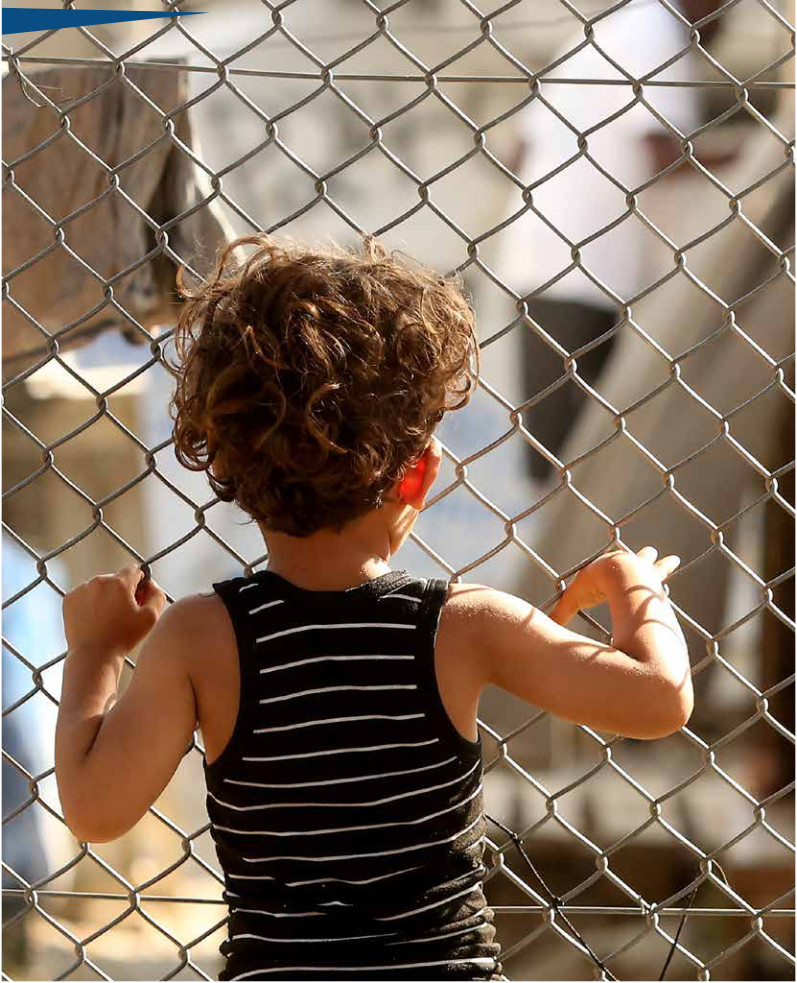
However, despite these amendments, Mexico has effectively replaced the use of formal immigration detention with “Social Assistance Centres” (Centros de Asistencia Social, or CAS) that, under the guise of “protection” and “accommodation,” operate as de facto detention facilities, where children are held for prolonged periods and denied effective access to basic healthcare, education, adequate food, and recreation.
Although CAS were conceived as non-custodial spaces intended to guarantee the comprehensive protection of unaccompanied migrant children while their specific needs are identified and a rights protection plan is put in place, “in practice these centres operate a “closed-door” model that reproduces the central elements of deprivation of liberty: children have no contact with the outside world, telephone communication is limited to one call per week, and CAS personnel–not a judicial authority–discretionarily determine how lng and under what conditions children may leave the facilities.”
In a submission to the UN Committee on Economic, Social and Cultural Rights (CESCR) with our Mexico-based partner, Centro de Derechos Humanos Fray Matías de Córdova A.C. (CDH Fray Matías), we highlight how these conditions violate rights recognised under the Covenant and, due to their duration and cumulative impact on children’s development, may amount to cruel, inhuman or degrading treatment.
Together, we urge the committee to call on Mexico to immediately cease the de facto detention of migrant children in CAS, and instead ensure that CAS operate as genuinely non-custodial protection and accommodation facilities that do not impose restrictions on children’s liberty.