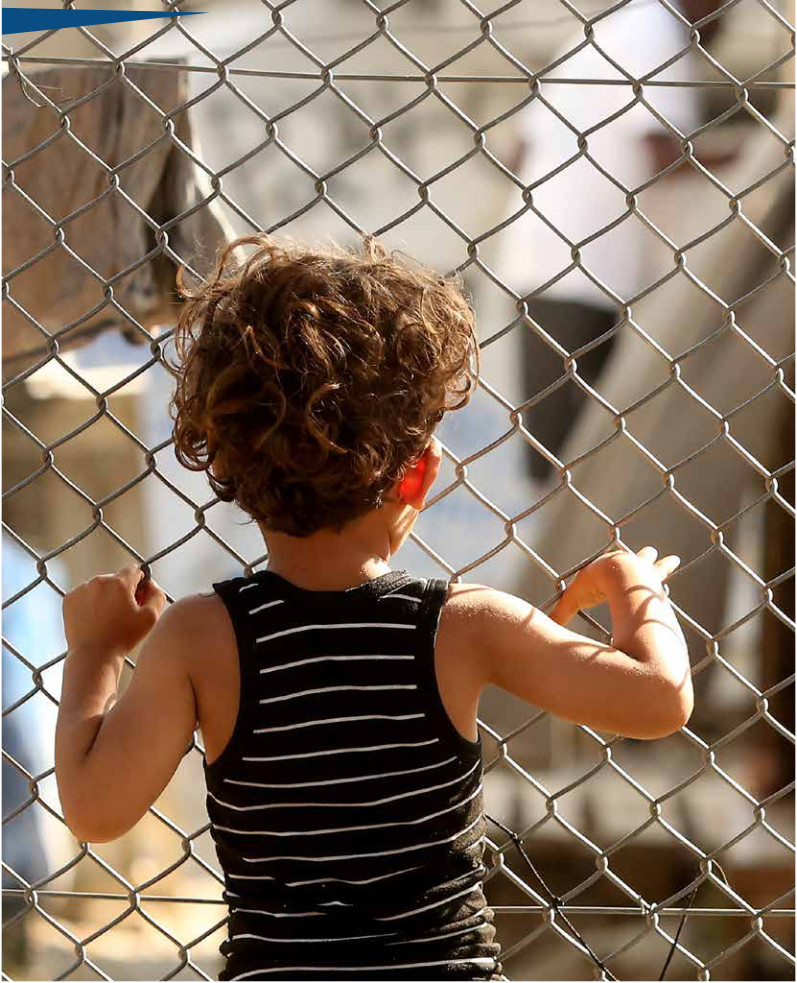
The Russian Federation has one of the world’s largest networks of migrant detention centres, known as “Centres for Temporary Detention of Foreign Nationals” (CTDFNs). Although migrant labour plays an important role in sustaining the Russian economy, migrants—particularly those from Central Asia and the Caucasus—have increasingly been portrayed as a “security threat”, fuelling xenophobic and discriminatory narratives. These narratives have coincided with growing efforts to restrict and control the movement and presence of non-nationals, including through intensified immigration enforcement and detention.
In a joint submission with Memorial Human Rights Defence Centre to the UN Committee on the Elimination of Discrimination against Women (CEDAW Committee), the Global Detention Project (GDP) highlights the harmful impacts of this system on migrant, refugee, and asylum-seeking women. We draw the Committee’s attention to the absence of explicit legal protections for vulnerable women, particularly pregnant and nursing women, as well as harmful detention conditions, including inadequate access to specialist and reproductive health care, a lack of women’s hygiene products, and the presence of male staff in women’s living areas. We also highlight severe restrictions on independent monitoring of detention facilities, which limit scrutiny of conditions and treatment within the country’s migrant detention system.
The submission further raises concerns about the prolonged detention of Ukrainian women, despite the practical impossibility of deporting them to Ukraine; the recruitment of migrant women to bolster Russia’s war effort in Ukraine; and continued failures to protect victims of trafficking from detention and removal.
The submission was made ahead of the CEDAW Committee’s consideration of the Russian Federation at the List of Issues stage.