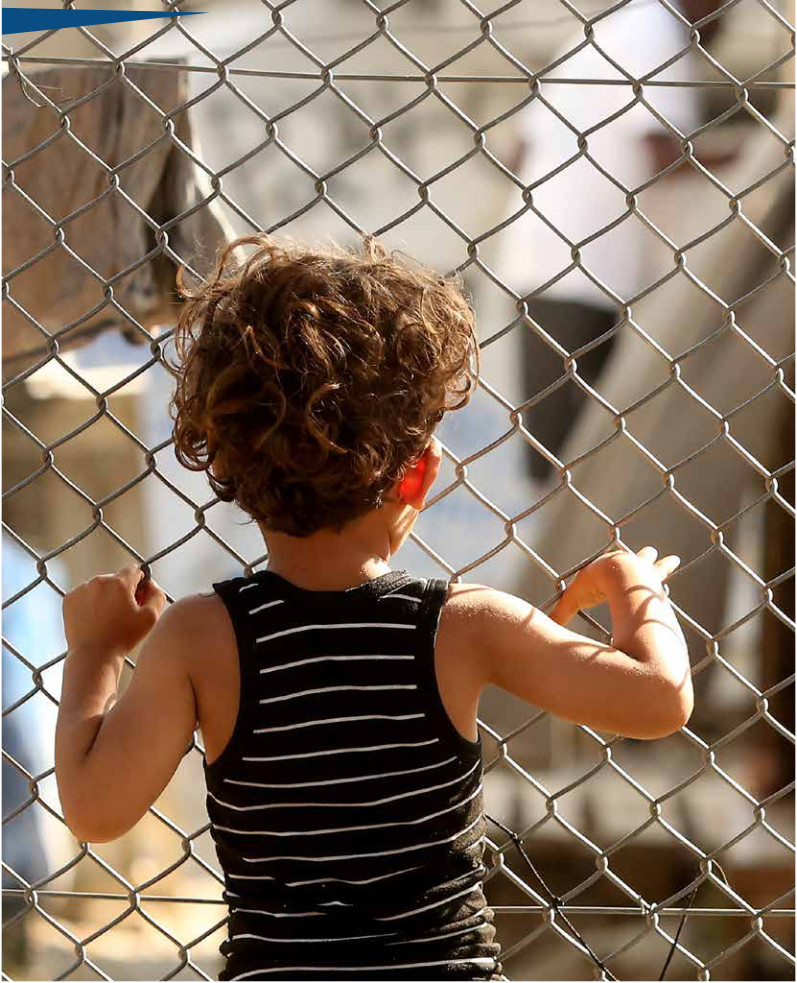
Trinidad and Tobago has a long track record placing children and families in immigration detention, including children fleeing nearby Venezuela, and the country has no legal provision prohibiting the detention of children and their families.
Although not detained in the country’s sole dedicated immigration detention centre in Aripo, child migrants and refugees and their families are typically confined in ad hoc sites or police stations. The country has also repeatedly sent children and families back to Venezuela in violation of its non-refoulement obligations and the best interests principle.
The GDP documented these concerns in a submission to the UN Committee on the Rights of the Child (CRC) ahead of the Committee’s adoption of its List of Issues Prior to Reporting (LOIPR) for Trinidad and Tobago at its upcoming 103rd Pre-Sessional Working group. The submission urges the Committee to scrutinise the State’s use of immigration detention for children and families, the absence of legal safeguards prohibiting child detention, and its repeated returns of children and families to Venezuela.
The Committee has repeatedly affirmed that children should never be placed in any form of immigration detention, including in Joint General Comment (No. 23/No.4), issued with the Committee on Migrant Workers in 2017, which affirms that “children should never be detained for reasons related to their or their parents’ migration status and States should expeditiously and completely cease or eradicate the immigration detention of children. Any kind of child immigration detention should be forbidden by law and such prohibition should be fully implemented in practice.”
Key Recommendations
- Urge Trinidad and Tobago to provide details of steps it will take to ensure that it will cease placing children and their families in any form of immigration detention, regardless of the specific language they use to describe sites of deprivation of liberty.
- Ask Trinidad and Tobago what steps it will take to ensure that children and their families are never sent back to situations where they face threats to their well-being.
- Ask Trinidad and Tobago whether they have plans to update the Immigration Act to include safeguards prohibiting immigration detention of child migrants, refugees, and asylum seekers.
- Ask Trinidad and Tobago whether it has plans to implement a national asylum system that includes prohibitions on placing refugee children in detention and preventing their refoulement.