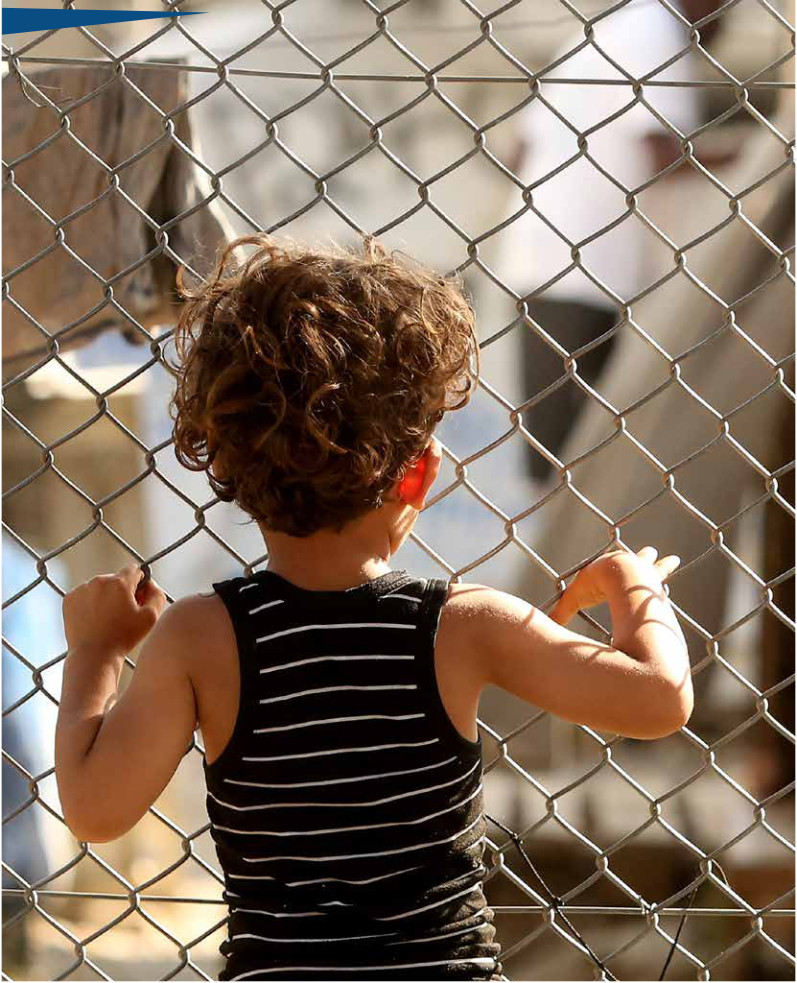
In February 2025, Costa Rica became one of the first countries to receive third-country nationals deported by the Trump administration. Under an informal arrangement, it accepted 200 people, including 81 children and two pregnant women, who were expected to be returned to their countries of origin. Two flights brought the group to the country on 20 and 25 February, after which they were detained at the Centre for Temporary Migrant Assistance (CATEM Sur).
In June 2025, Costa Rica’s Constitutional Court ruled that the prolonged detention of these individuals at the CATEM Sur violated their right to personal liberty and ordered their release. By then, however, many had already returned to their countries of origin.
In March 2026, Costa Rica entered into a new agreement with the United States, signing a Memorandum of Understanding (MoU) under which it agreed to receive up to 25 third-country nationals per week. Although the agreement commits both countries to respecting international obligations, including the Convention against Torture and the principle of non-refoulement, concerns remain about safeguards governing the reception and treatment of those deported.
By 2 October 2026, 478 people representing 41 nationalities had been deported to Costa Rica under the arrangement. Of these, 183 remained in the country, while 269 had departed and 26 were in the process of leaving.
In a joint submission ahead of the Committee’s preparation of its List of Issues Prior to Reporting (LOIPR), the Global Detention Project (GDP) and Cristosal encourage the Committee to request the following information from Costa Rica:
- The measures being taken to identify and respond to potential ill- treatment experienced by individual deported third-country nationals, including whether they are provided with medical and psychosocial assessments upon arrival.
- The measures it is taking to ensure that third-country nationals deported from the United States have effective access to Costa Rica’s asylum system, including timely information in a language they can understand and individualised assessments of their protection needs, and that no individual is removed to a country where they risk persecution or torture.
- The steps the state party is taking to ensure monitoring of, and transparency surrounding, the conditions in which deportees are accommodated–including access for civil society organisations and other independent monitors, and the availability of confidential complaints mechanisms and effective remedies for individuals whose rights are violated.
- Detailed information about Costa Rica’s current immigration detention system, including a complete list of sites used to confine people for immigration-related reasons, disaggregated annual and daily statistics on the numbers, age, gender, and nationalities of people placed in immigration detention, going back as many years as such data have been collected.
- The steps being taken to assess IOM’s treatment of people deported by the United States and measures it is taking to ensure that the IOM is held liable for any mistreatment that happens while people are in their care.