Since 2018 Trinidad and Tobago (T&T) has experienced unprecedented flows of migrants and asylum seekers from Venezuela, many of them entering via irregular channels. The country’s legislation, however, treats irregular entry as a criminal offence and it continues to lack asylum-specific legislation, leaving all irregular arrivals vulnerable to arrest and detention upon arrival. Together with our partner in the Caribbean, the Caribbean Centre for Human Rights, we highlighted shared concerns regarding the country’s immigration detention policies and practices to the Universal Periodic Review Working Group–and called for important changes to ensure respect for non-nationals’ rights.
Although no official data exists regarding the number of Venezuelans currently in Trinidad and Tobago, estimates suggest somewhere between 26,000 and 44,000. The country’s Immigration Act provides the state broad powers to arrest, detain, and deport non-nationals. This legislation defines a “Prohibited Class” of people who are not allowed entry into the country, with asylum seekers and refugees falling into this category. The Act also makes no provisions for asylum seekers, refugees, or other categories of persons in need of international protection like the elderly, those with medical conditions, and unaccompanied and separated minors. Article 40 of the Act also criminalises offences such as illegal entry, with those breaching this facing fines of up to 50,000 TT dollars and imprisonment for up to three years–placing the country at odds with international human rights standards, such as Article 31 of the Refugee Convention.
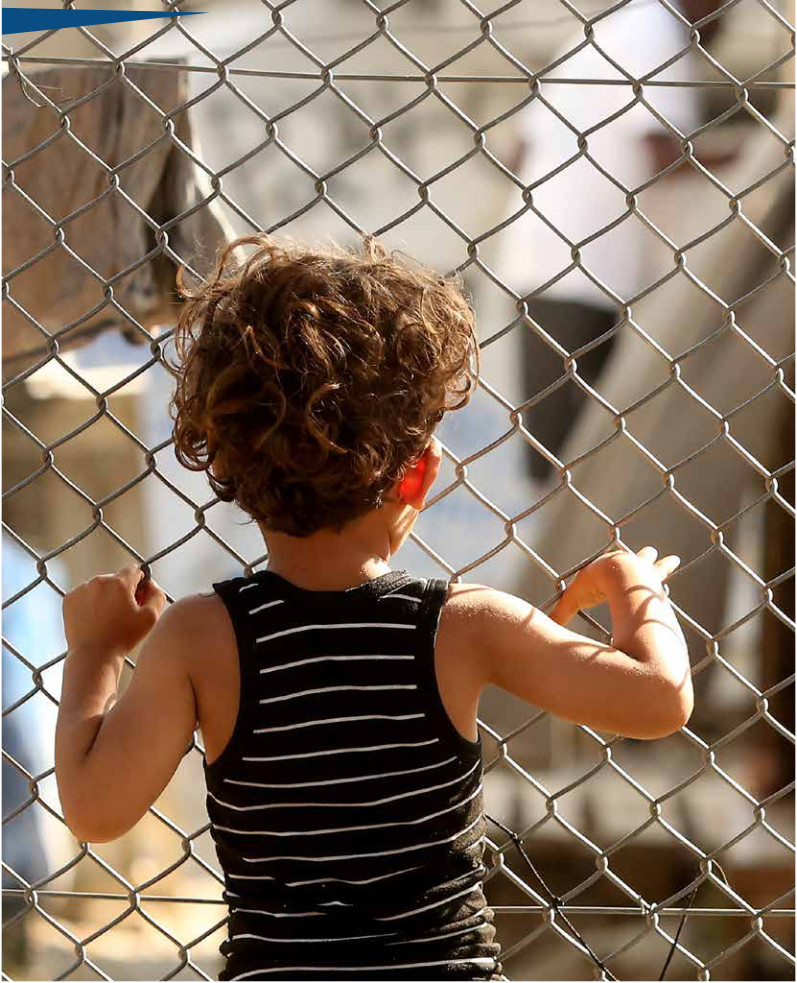
The country operates two official places of detention for undocumented migrants: the Immigration Detention Centre (IDC) and the Chaguaramas Heliport. The latter facility was formally designated a detention centre in 2023 after a local High Court decided that the continued use of the facility after COVID-19 for detaining non-nationals under emergency health powers was unlawful. Conditions here are of serious concern. in 2024 for example, a court in Trinidad and Tobago ordered the state to pay a Venezuelan boy and his mother USD 2.4 million in damages for its “shocking and appalling conduct” in detaining the child and their mother here for 456 days. In its judgement of the case, the court described the “horrors” that the child endured, including insufficient food and water causing him to regularly fall ill, overcrowding, detention alongside unrelated adults, and exposure to sexual acts. The judge noted that “the claimant’s life was put at risk on a daily basis.”
Aside from these two detention centres, non-nationals are also incarcerated in the State’s prisons for migration-related offences. Those who enter the country via irregular means, for example, are incarcerated at the Maximum Security Prison (MSP) and women are confined in the Women’s Prison. Non-nationals are also sometimes held on a temporary basis in cells at police stations and coast guard and immigration facilities until they are processed.
In light of this, the GDP and the Caribbean Centre for Human Rights shared a series of key recommendations with the UPR Working Group, urging their adoption in the final recommendations issued to Trinidad and Tobago, including:
- Ensure that immigration detention is only used as a measure of last resort, when it is necessary and proportionate, and for the shortest period of time. Alternatives to detention must also be implemented
- Take legislative measures to ensure that vulnerable individuals–including asylum seekers, refugees, children, and victims of trafficking–are not detained as a result of their migration status, taking into account the finding of the UN Committee on the Rights of the Child that any detention of a child for immigration purposes amounts to a child rights violation and must be prohibited in both law and practice.
- Immediately amend the Immigration Law to decriminalise irregular entry and stay, in line with international guidance. Authorities should also cease the use of cells in police stations and other temporary holding facilities for immigration detention purposes.
- Address, as a matter of urgent priority, conditions concerns in all immigration detention facilities, ensuring that detainees have adequate access to health care services and that conditions comply with international standards, including a complaints mechanism for prompt investigation of abuses. Until authorities cease detaining vulnerable individuals, special provisions must be immediately made for people with specific needs such as the elderly, those with serious medical conditions and survivors of gender based violence.