Although Serbia maintains official immigration detention facilities, migrants, refugees, and asylum seekers continue to be deprived of their liberty in a range of informal sites where their fundamental rights are violated. Testimonies from former detainees and reports by the country’s National Preventive Mechanism also highlight poor detention conditions in both formal and informal settings–with limited access to health care remaining a particular concern–and vulnerable groups including children remain at risk of detention.
Together with Collective Aid, which investigates human rights concerns and provides essential aid to those in transit in Serbia, the GDP detailed these concerns in a submission to the UN Committee on the Elimination of Racial Discrimination and reiterated key recommendations during an in-person meeting with the Committee.
De Facto, Arbitrary Detention
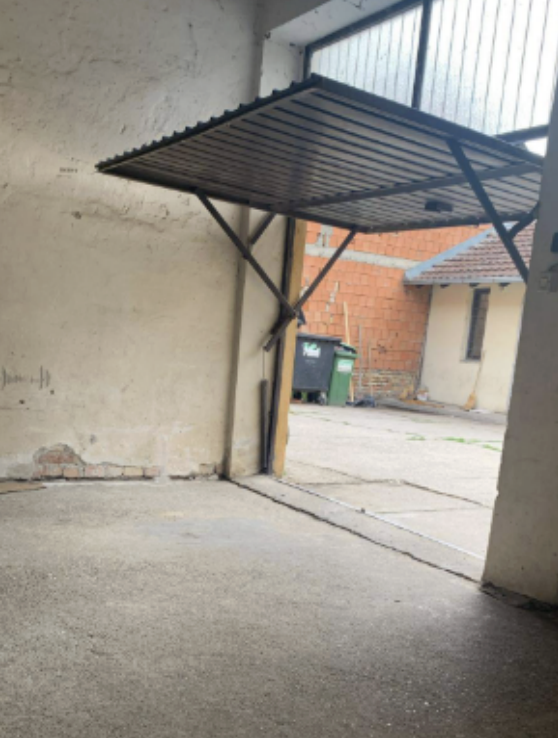
Observers including Collective Aid have long documented Serbia’s use of informal, ad hoc facilities for the detention of non-nationals. Serbian authorities are reported to regularly detain people following pushbacks by Hungarian border officers, and observers have documented the use of abandoned houses and police station premises in and near Subotica, Kanjiža, and Kikinda in northern Serbia. Conditions in these sites are reported to be “dire.”
As Border Violence Monitoring Network noted: “These facilities are not part of the official reception or detention infrastructure and lack basic living conditions, including heating, sanitation, and electricity. People on the move reported being detained there for one to four days without access to legal aid, hygiene, food, or the ability to contact their families.”
According to one Syrian refugee, who recalled his detention in an “unofficial prison” in Belgrade to Collective Aid, detainees were left without food and water for several days, were beaten if they talked to one another, and were repeatedly ordered to not sleep.
Official Detention Facilities
Conditions in the country’s official detention centres––Padinska Skela, Dimitrovgrad, and DC Plandište–however, are also of concern. The country’s National Preventive Mechanism (NPM), for example, has recently noted dilapidated sanitary facilities including unhygienic shared bathrooms, complaints about the quality of the drinking water, and the ongoing presence of bedbugs. Testimonies collected by Collective Aid also allege serious concerns including inadequate food provision; detainees’ inability to leave their rooms (with the exception of a once-weekly shower trip); denial of access to the outdoors; detainees washing themselves using water from the sink in their room, which was “freezing cold”; and difficulties in washing clothes.
Of particular concern is the lack of medical care within detention facilities, with detainees reporting the failure by centres to respond to health needs. According to Article 9 (2(4)) of the Law on Foreigners, detainees are only entitled to urgent medical care, severely limiting their access to care. They have reported being denied examinations for problems such as toothache and breathing problems,as well as officers’ refusal to provide medication.
Allegations of ill-treatment also added to concerns. Collective Aid has documented several testimonies in which detainees recalled being kicked and slapped–with beating occurring if they did not immediately stand up when an officer entered their room. They also describe racist language used by officers, recalling being told that “You are Arabs, that’s why you guys aren’t allowed out, you cause problems.”
Demanding International Attention
In light of these concerns, the GDP and Collective Aid have called on the UN Committee on the Elimination of Racial Discrimination to issue critical recommendations to the State Party, to ensure the rights of migrants, refugees, and asylum seekers are respected. Amongst numerous recommendations, we called on CERD to demand that Serbia:
- Cease the arbitrary and de facto detention of migrants, refugees, and asylum seekers in informal detention facilities, and release all who are detained in such facilities. Authorities should consider re-opening reception facilities in the north of the country, to provide appropriate accommodation and assistance for persons pushed back into the country from Hungary.
- Ensure that conditions in the country’s network of dedicated immigration detention facilities comply with international human rights standards, including by guaranteeing adequate living conditions, access to healthcare, and access to legal assistance, to safeguard the dignity and wellbeing of detainees.
- Ensure that immigration detainees have effective, confidential, and accessible avenues to lodge complaints regarding allegations of ill-treatment and abuse. The State Party must ensure that all allegations are promptly and impartially investigated by independent authorities, that those responsible are held accountable, and that victims are provided with adequate compensation.
Commenting on these recommendations, Anna Gruber–Advocacy Manager at Collective Aid–said, “As frontline observers working from the ground across the Balkans, we at Collective Aid hear stories about individuals’ appalling experiences in detention every day–not just in Serbia, but also in Bosnia, Croatia, and beyond.
Those we have spoken to have recounted how, after violent pushbacks carried out by authorities in Hungary, they were crammed into abandoned houses or dingy police stations, held for days without food, clean water, sanitation, medical help, legal aid, or even a call home; families huddled in fear, with children especially vulnerable. We have also listened to people who have survived inhumane detention conditions describe unheated rooms thick with dirt, guards hurling racist insults, and physical violence.
The use of detention in Serbia is not an abstract policy, but a systematic practice that migrants, refugees, and asylum seekers face every day–exposing them to significant risks and harms. We hope, therefore, that Serbia heeds our recommendations and breaks this cycle of abuse, closes informal sites, upholds dignity and ensures health care provision in official detention centres, and investigates all abuses with real accountability.”