A new report by Migrant Rights Research Open Repository (MRRORS), a Gulf-based civil society organisation, documents a coordinated campaign in the UAE involving the detention and deportation of Pakistani Shia migrants. Against the backdrop of the Iran war and growing securitisation across the Gulf, deportees allege they were targeted primarily on the basis of their Shia identity or suspected Iranian sympathy, and describe experiencing physical and verbal abuse in detention.
According to MRRORS, a Global Detention Project partner, Pakistanis have been intercepted by the CID (Criminal Investigation Department) in public places, often without justification and due process, or summoned to police stations on unclear grounds. Following their arrest, they have been held in police station cells before being transferred to the Al Warsan Immigration Centre (also known as the Al Awir Deportation Jail) and the Al Awir Central Jail prior to their deportation.
Testimonies from detained and deported Pakistanis describe systemic abuse inside both police stations and detention centres.
- In Al Lahbab Police Station, one man recounted being placed in a holding cell with some 30 other people, and of police turning the air conditioning to an extremely low temperature, forcing the detainees to remove their clothes, and pouring water on their bodies to further their suffering. He further described the denial of drinking water, a lack of sleeping space, beatings, and verbal abuse by police officers.
- At Al Warsan, former detainees described being forced to perform “sit-stand” exercises and of being forced to walk on their knees across a ladder as punishment; being stripped and then filmed; electrocution by stun guns; inedible food, and unsafe drinking water.
- At Al Awir, testimonies allege the provision of inedible food, and one of the deportees even believed that authorities had placed sleeping pills into detainees’ food to subdue them and prevent unrest. “He said he spent most of the next five days sleeping because he would feel extremely drowsy within minutes of eating the food.”
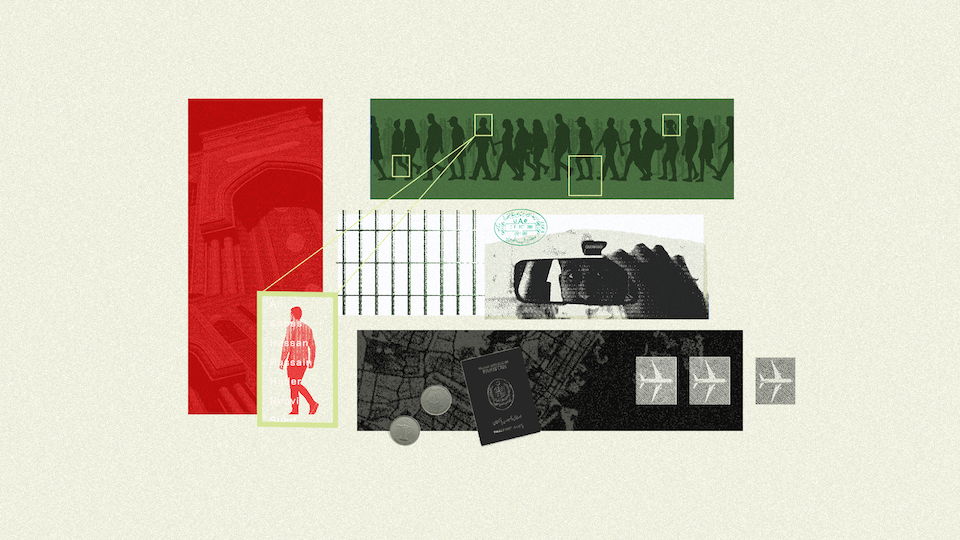
Similar reports were also shared by New Lines Magazine, following its own investigation.
Detention in these facilities appears to be relatively brief, with deportations conducted swiftly. According to MRRORS, deportees have been denied due process and noted that none of the migrants interviewed had been given the opportunity to pursue legal channels to challenge their detention and deportation.
Citing one of the deportees, they write: “Syed said detainees were subjected to such severe abuse and torture that they could not even request legal recourse. When he was held at the police station, Syed said he wanted to tell the officers that he should be allowed to go to court. But he did not dare make a request, fearing it would anger them, as detainees were already being beaten for minor issues.”
Following its own investigation, Reuters also noted that many migrants have been deported without their belongings or savings. Many of those deported were working in the UAE sending remittances home to support their families.
“15,000” Deportees
Since the outbreak of the Iran war on 28 February, reports of Pakistani Shias being detained and deported have increased sharply amid rising tensions across the Gulf, particularly following Iranian missile and drone attacks targeting the UAE and other regional states.
The exact number of Pakistani Shiites to have been affected, however, remains unclear. The deportees that MRRORs spoke to recounted seeing “hundreds” of other Pakistani Shiites inside detention facilities, jails, airports, and deportation flights, and MRRORs reviewed hundreds of TikTok videos posted by Pakistani deportees returning home in large groups.
Reuters, meanwhile, reviewed a database compiled by a Pakistani Shiite political organisation (Majlis Wahdat-e-Muslimeen) which listed the names of 7,500 Pakistani Shiites deported from the UAE since 28 February. New Lines Magazine, meanwhile, estimates that as many as 15,000 people may have been affected.
Read MRRORS’ full report here.