In late July, Saudi Arabia executed five Ethiopian men who had fled the conflict-riddled Tigray region. The executions, the latest in a series involving foreigners, are taking place against a backdrop of systemic abuses of migrant workers and other non-citizens, including widespread use of abusive detention measures, lack of basic due process guarantees, and widely criticised trials.
During 2026, numerous foreign nationals have been sentenced to death in Saudi Arabia for drug-related offences, amid the country’s escalating use of the death penalty for such charges. During the first six months of 2026, 108 executions were documented–with foreign nationals (predominantly Ethiopians) accounting for 54 percent of these. Many Ethiopians remain at risk of execution, with approximately 79 Ethiopian migrants documented as at risk as of 28 July. Many are held in the Khamis Mushait prison.
According to evidence documented by Human Rights Watch (HRW), the execution of the five men on 27 July occurred after they were forced to sign documents in Arabic, a language they did not understand, and followed brief court sessions which lasted mere minutes and many of which were conducted remotely. HRW notes: “The men did not have legal representation or an opportunity to provide a meaningful defence.”
In a public statement, Saudi authorities stated that “(The) Kingdom of Saudi Arabia is committed to protecting the security of citizens and residents from the scourge of drugs, and to imposing the harshest penalties prescribed by law against those who smuggle and promote them.” Saudi media frequently reports cases of Border Guards apprehending migrants carrying drugs.
The five Ethiopians executed on 27 July were from Tigray, where the humanitarian situation remains dire following the armed conflict that lasted from 2020 to 2022. They had travelled along the perilous eastern migration corridor, crossing the Gulf of Aden into Yemen before continuing towards Saudi Arabia (for more on the “Eastern Route,” see our August 2023 blog post here). Thousands of other Ethiopians have taken this route.
A Sprawling Detention Regime
Detention remains central to Saudi Arabia’s border enforcement, and persistent concerns are reported regarding authorities’ disregard for the rights of migrants and refugees. In just six days in July 2026 alone, officials apprehended 1,631 people attempting to enter the Kingdom irregularly–the majority of them Ethiopian–and detained a further 42 people for attempting the leave unlawfully.
The scale of migration-related detention in Saudi Arabia has long been among the largest in the world. In 2018, the Global Detention Project documented nearly two million detention measures based on information released by the country’s Ministry of the Interior. More recently, between early 2023 and July 2024, authorities reportedly detained more than one million migrants. By way of contrast, 277,913 people were placed in immigration detention in the U.S in 2024.
Many foreigners are detained for immigration violations and subsequently deported, often after prolonged periods in immigration detention facilities (as the country has no legally defined time limit on how long people can be held for administrative detention, migrants and refugees can be held indefinitely).
In 2024, the Committee on the Elimination of Racial Discrimination expressed concern about the de facto and potentially indefinite detention of undocumented migrants without judicial oversight, and recommended that the Kingdom: “Ensure that immigration detention is applied only as a measure of last resort and for the shortest possible period, after an assessment of its legality, necessity and proportionality on a case-by-case basis.” To date, there is little evidence that Saudi Arabia has implemented this recommendation.
Detention conditions are often described as “abhorrent,” and observers have extensively documented evidence of torture and abuse. Two investigations by the Telegraph (in 2020 and 2024), for example, revealed persistent mistreatment, with detainees forced to use bin bags as blankets and subjected to severe overcrowding.
The GDP and our Gulf-based partner MRRORS (formerly migrant-rights.org) noted in a joint submission to the UN Committee on the Elimination of Racial Discrimination in 2024 that “Saudi Arabia regularly detains migrants, including women and children, in inhumane conditions. Recent human rights and media reports have documented instances of torture and physical abuse, along with inadequate access to food, water, and bedding. Detainees, including children, pregnant women, and those with medical needs, are often denied access to proper healthcare.”
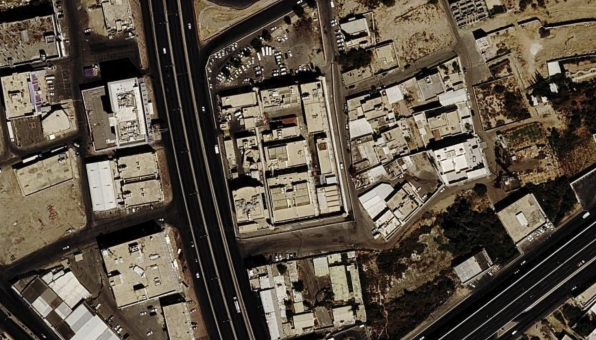
One facility in which migrants and refugees are detained is the Al-Shumaisi Detention Centre. Alongside documented instances of torture and beatings, videos have shown a room designed for 64 occupants holding around 300 individuals, and reports allege that detainees are provided inadequate food, water, and bedding. Meanwhile, rape is reported to be widespread in detention facilities, including in a centre located in Jeddah’s Al‑Rehab district.
Failure to Protect At-Risk Individuals
Saudi Arabia does not have any procedures through which a person in need of international protection can seek asylum and there are persistent reports of inadequate procedures for identifying trafficking victims and other vulnerable individuals. The Kingdom has not adopted asylum laws and refugees are not officially recognised. The country also has one of the lowest rates of ratification of core international human rights treaties.
The Kingdom’s failure to adopt and adhere to international norms regarding the treatment of at-risk groups appears to be directly related to the surge in non-citizen executions. According to the European Saudi Organisation for Human Rights (ESOHR), there is evidence that some of the Ethiopians who have been sentenced to death for drug smuggling were either unaware that they were carrying drugs, or “effectively unable to refuse carrying them due to threats, fear, or their total reliance on smugglers for transport, food, protection, and the continuation of their journey.” Similarly, CNN has reported on Ethiopians being coerced into transporting hashish or khat into Saudi Arabia as a means of settling debts to their smugglers.
Despite indications of human trafficking, exploitation, and coercion, ESOHR reports that “available information does not indicate that Saudi authorities conducted a specialized, comprehensive assessment of trafficking indicators in the cases involving Ethiopian nationals, nor did they seriously investigate the identities of those who recruited them, provided them with the materials, organized their journeys, or profited from the drug transport.”
These criticisms reflect broader concerns regarding Saudi Arabia’s widespread failures to identify victims of trafficking and the continuing penalisation of such persons for immigration offences stemming directly from their exploitation, as consistently documented by U.S State Department TIP reports (e.g., 2024; 2022; and 2019).