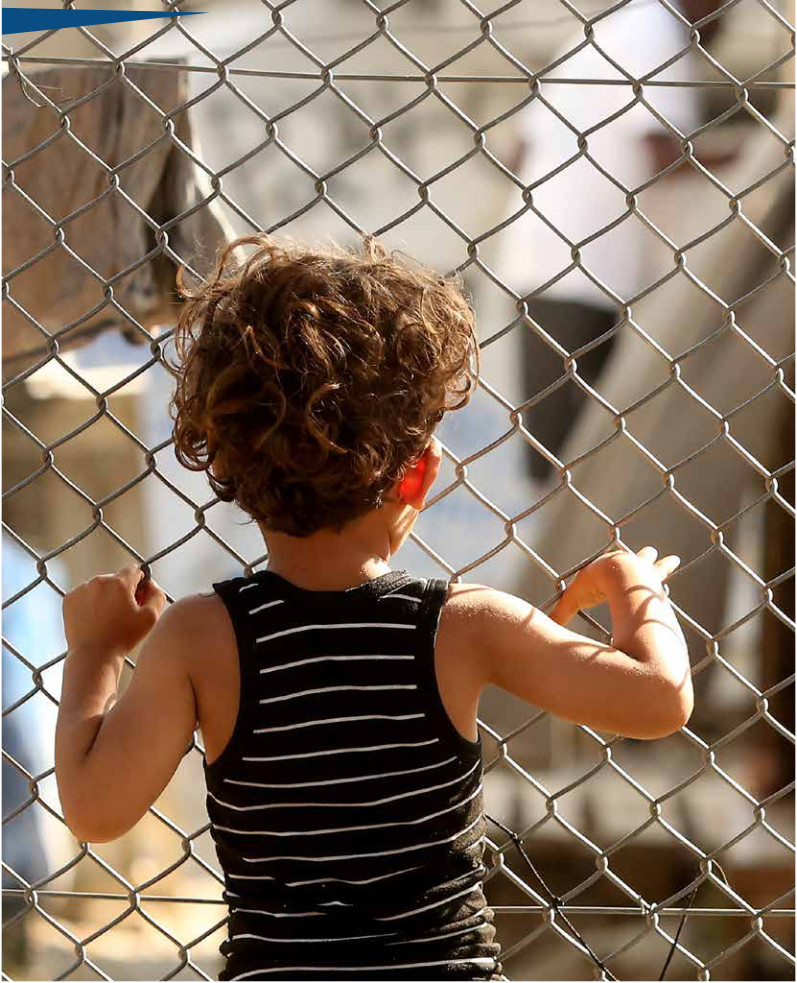
In recent weeks, the Global Detention Project has received several testimonies from a group of people held in immigration detention in Sri Lanka, depicting troubling detention conditions and instances of indefinite immigration detention. The accounts of their treatment at the Welisara Detention Centre reflect wider concerns about the treatment of migrants and asylum seekers in the country, including the arbitrary detention of children and asylum seekers.
Welisara: No End in Sight
According to the testimonies received by the GDP, a group of at least ten people from numerous countries spanning Asia and Africa–Pakistan, Ethiopia, Kenya, Malaysia, China, among others–have been detained for months at the Welisara Detention Centre (outside Colombo) with no end in sight. They claim to have been initially arrested as part of an investigation into their statuses; however, after languishing two months in prison, they were eventually transferred to immigration detention without any charges being pressed.
A detainee claiming to be from Pakistan told the GDP: “I came to Sri Lanka in 2019 as a refugee from Pakistan. I am a Christian and I was persecuted and tortured in Pakistan because they tried to force me to convert to Islam. In Sri Lanka my case was considered [by] Sri Lankan UNHCR, but it was rejected. Eventually, police caught me and put me first in prison and then into this camp where I have been staying for 9 month[s] already. Court ordered that I should be deported back to Pakistan in December. But it is very dangerous for me to return to Pakistan.”
Conditions in the centre are reported to be extremely poor, including detainees having to sleep outdoors, overcrowding, lack of medical assistance, and inadequate food supplies. Testimonies we have received, and which the detainees asked us to publicise, include the following:
“The camp itself is just one room with dorm beds and a small yard. It is overcrowded, and not everyone [has] a bed here, many people sleep on [mattresses] in a yard.”
“The space in this camp is very small. And it is very loud day and night. I cannot sleep here. The food is poor. And I have health problems, but I cannot get medical help or go to the hospital here. Another Pakistani man died here before.”
The detainees also report that they are being held indefinitely:
“We do not have a specific court date when we can be convicted or released and we don’t know how much longer they will keep us here. …We have families in our homes that depend on us, but here we cannot earn and provide for them. And we have no idea when we can go from here. … It’s a very tight and overcrowded space and it is very hard to stay here for months having no idea how much longer we have to stay here.”
“Most people stay for a long time here. There are people who have been staying here in indefinite detention for 5-8 years waiting for investigation[s] that never finish.”
“I am a citizen of Kazakhstan. I am detained in a detention center in Sri Lanka, because my visa has expired and I don’t have money for a return ticket. And I will be detained here indefinitely until I can purchase a plane ticket out of Sri Lanka and into my homecountry. But obviously being detained, I cannot earn money here to purchase a ticket. There are many people who are detained here for the same or similar reasons as me. Some has been staying in this detention center for years. Sri Lankan goverenment don’t deport people who can’t leave Sri Lanka themselves, but put all visa and immigration offenders into a detention center and leave them there indefinitely.”
Echoing Wider Concerns
The accounts that we have received from those confined in Welisara reflect broader, well-documented concerns that have been repeatedly raised regarding Sri Lanka’s immigration detention practices. These have included the arbitrary arrest, detention, and deportation of asylum seekers (see our February 2023 blog post); “dire” immigration detention conditions, with facilities ill-suited for prolonged detention; and lack of medical assistance and appropriate food provision. In January 2025, local media reported that an officer at the Welisara detention centre had been arrested after demanding a bribe to secure a detainee’s release.
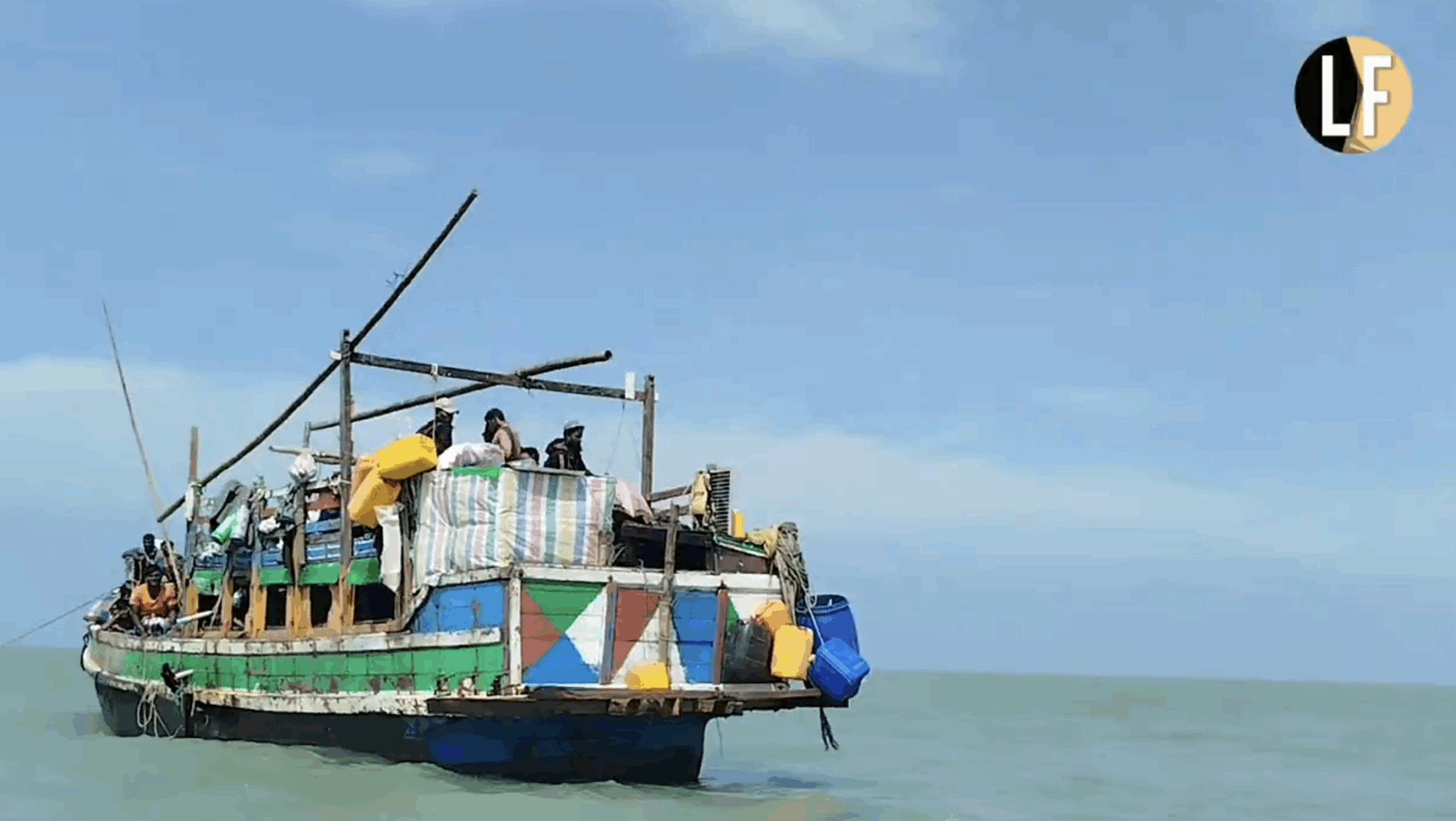
Most recently, in late 2024 and early 2025, these concerns were highlighted by the case of 116 refugees from Myanmar, including 57 children, who were arrested and detained upon their arrival in Sri Lanka. The group landed by boat on 20 December and made it clear that they wish to seek asylum. Despite having endured harrowing conditions at sea–including dehydration, illness, and the death of some passengers on route–the refugees were classified as “illegal migrants” and detained in an Air Force Camp in Mullaitivu, which was officially declared a Temporary Immigration Detention Centre on 30 December.
When the country’s Human Rights Commission was finally able to visit the camp on 9 January 2025, their findings painted a grim picture of systemic neglect and disregard for the rights of non-nationals. Among their findings: the detention of highly vulnerable individuals, including a three-month-old infant and a woman nine months pregnant; denial of access to UNHCR; an absence of female staff overnight and no female medical personnel; provision of inappropriate food for children; lack of access to toilets for detainees with disabilities; no medical examinations conducted prior to arrival at the camp–and a centre that is located in a forested area, surrounded by barbed wire fence to keep out elephants.
No Refugee Status, No UNHCR Office
Sri Lanka is not a party to the 1951 Convention Relating to the Status of Refugees or its 1967 Protocol, and there is no domestic law or procedure for granting refugee status. As a result, anyone who arrives irregularly in the country is considered to be an “illegal immigrant” under the Immigrants and Emigrants Act (1948), regardless of whether they are seeking protection.
In December 2005, the country agreed that UNHCR could register asylum applications, provide applicants with documentation, carry out refugee status determinations (RSD), and facilitate permanent resettlement in third countries. However, access to UNHCR has often been delayed or restricted, and since December 2024, UNHCR has closed its Sri Lankan office and ceased RSD and resettlement activities. Ruki Fernando, a rights activist in Sri Lanka, has noted: “This has created a situation of uncertainty, stress and desperation for about 500 refugees and asylum seekers (including Rohingyas) in Sri Lanka.”