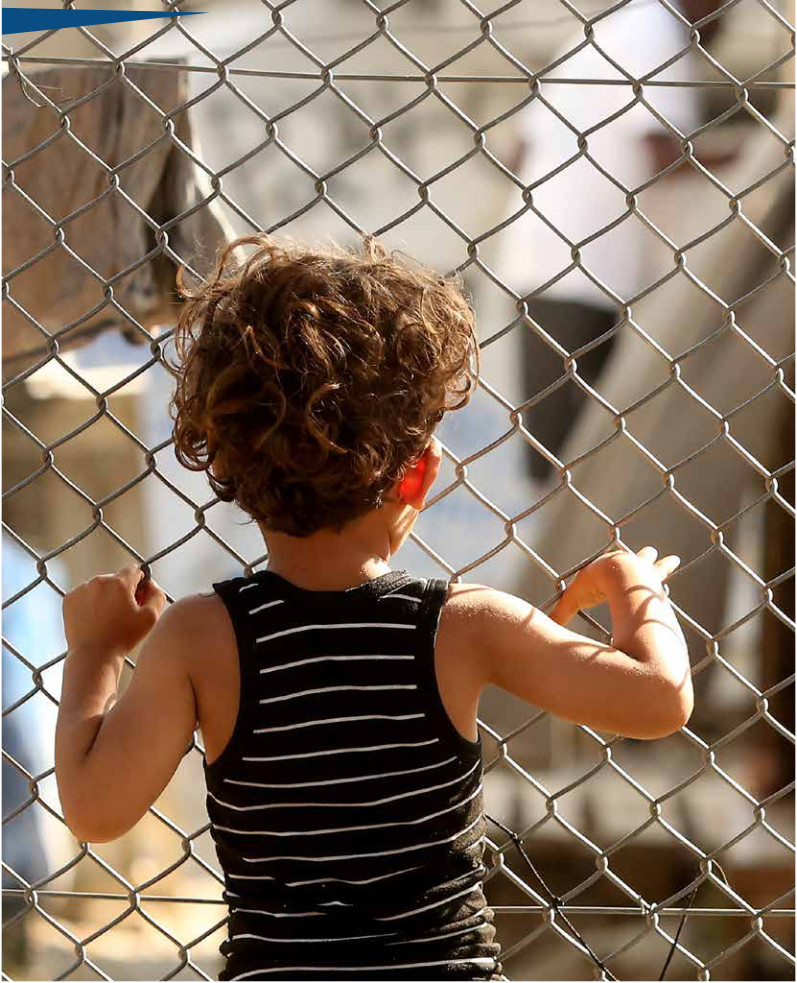
On 7 October, Australia’s Commonwealth Ombudsman (CO) and Human Rights Commissioner (HRC) published a joint statement expressing concern regarding the country’s use of hotels for detaining refugees, migrants, and asylum seekers–in some cases for years on end. Drawing on observations gathered by the Office of the Commonwealth Ombudsman in its role as Australia’s National Preventive […]

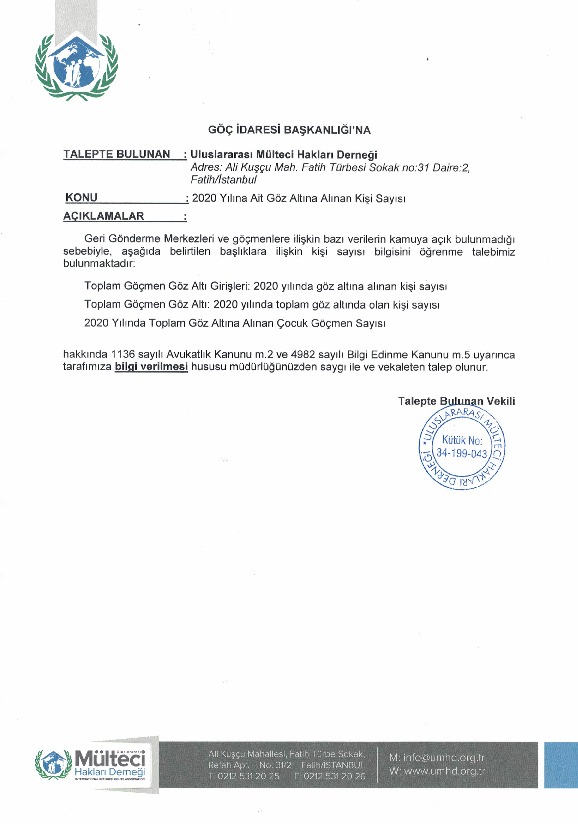
The GDP and the International Refugee Rights Association Submit Freedom of Information Requests to Türkiye’s Presidency of Migration Management
In September 2022, the Istanbul-based International Refugee Rights Association (IRRA) submitted three freedom of information (FOI) request’s to Türkiye’s Presidency of Migration Management regarding the country’s immigration detention practices. The access to information requests were issued as part of IRRA’s participation in the Global Detention Project’s “Global Immigration Detention Observatory” project, which seeks to build […]
United Kingdom: Covid-19 and Detention
The number of victims of trafficking detained in the UK has likely tripled in the past five years, says a new report published by the Helen Bamber Foundation in early October. Despite broad recognition of the vulnerabilities faced by trafficking and slavery victims, the report says, the UK government is treating survivors as criminals rather […]
Global Immigration Detention Observatory: Bringing International Attention to Detention Issues in the Gulf and South Asia
On 26-30 September, the GDP welcomed to Geneva representatives from partner NGOs based in the Gulf and South Asia – the GCC-based Migrant-Rights.org and the Migration and Asylum Project in India. Their visit was part of the GDP’s Global Immigration Detention Observatory project, a collaborative initiative between the GDP and partner organisations around the world […]
NEWSLETTER: The Global Compact v. The Migrant Workers Convention?
The GDP’s September 2022 roundup of research, publications, and events – including our assessment of the gaps between the Global Compact for Migration and UN Migrant Worker Convention; news about our latest webinar; and our recent work highlighting concerns regarding Türkiye’s treatment of immigration detainees. […]
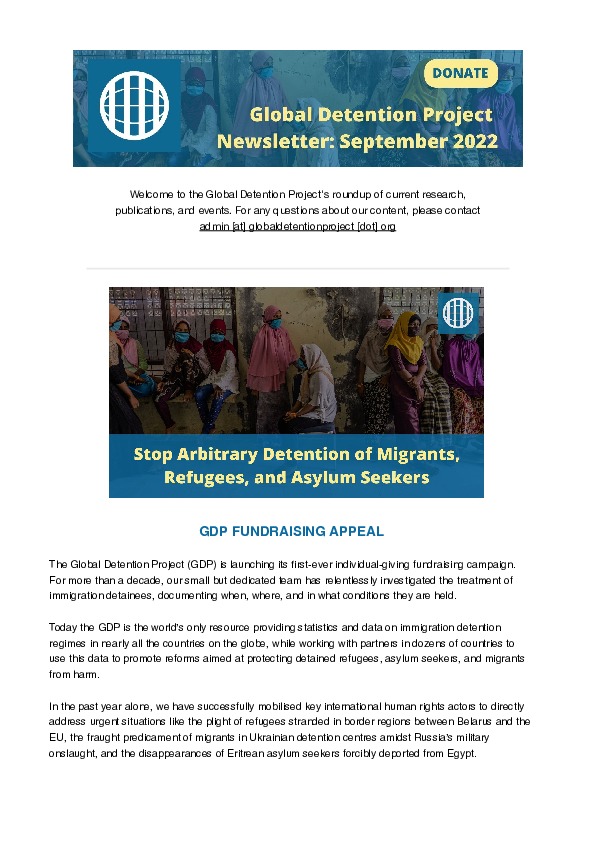
Sahar Okhovat Elected as New President of the Global Detention Project
The Global Detention Project’s Executive Committee has unanimously elected Sahar Okhovat as its new President, replacing outgoing President Roberta Cecchetti. Sahar is a Senior Policy Officer at the Refugee Council of Australia and previously served as the Vice Chair of the detention committee for the Asia Pacific Refugee Rights Network and as a Humanitarian Observer […]

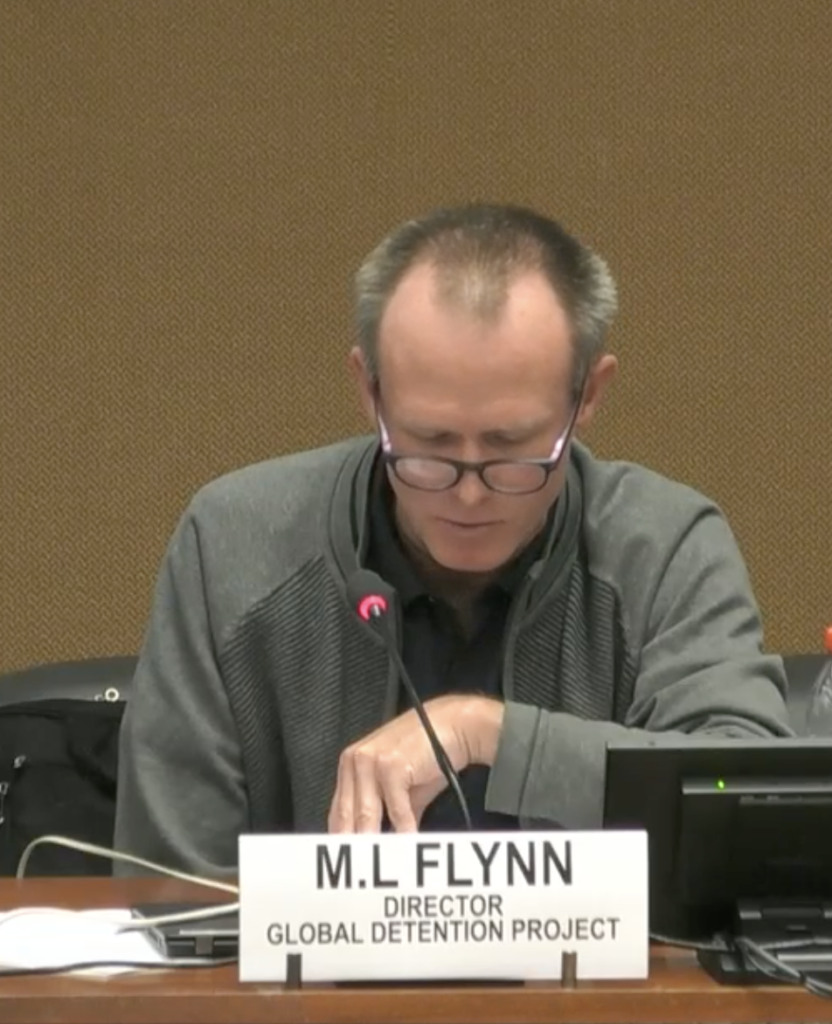
Oral Submission: Statements Concerning the CMW’s General Comment No.6 on the Convergence Between the Global Compact for Migration and the Convention
The GDP’s Executive Director Michael Flynn spoke at the UN Committee on Migrant Workers’ half day of general discussion on its draft General Comment No.6 on the convergence between the convergence between the Global Compact for Migration (GCM) and the Migrant Worker Convention. Reiterating points raised by the GDP in its written submission to the CMW, Flynn provided comment on three aspects of the GCM that concern migration-related detention – alternatives to detention, the detention of children, and criminalisation of migration-related violations. […]
Japan: Covid-19 and Detention
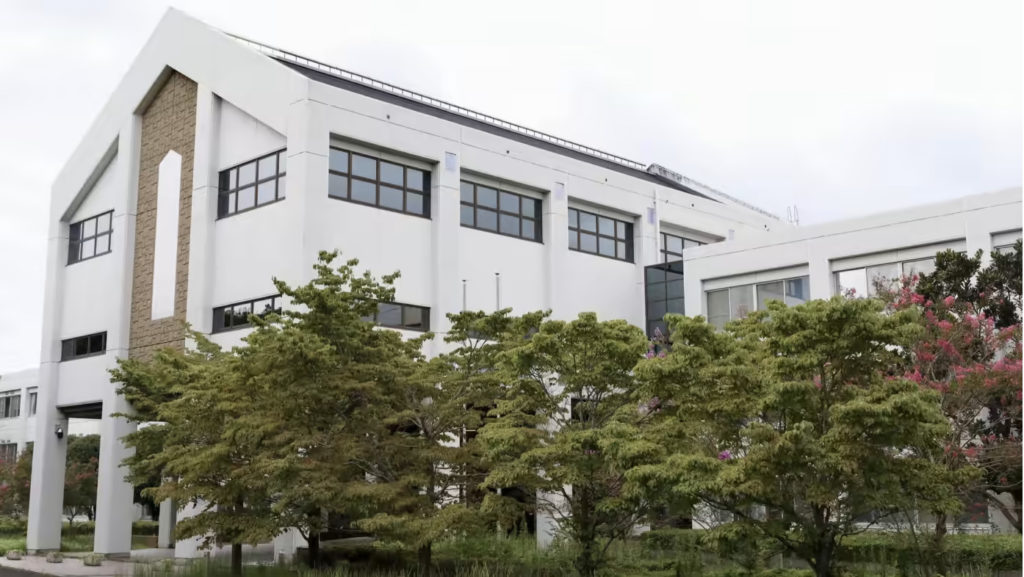
Japan’s treatment of refugees, asylum seekers, and migrants within its immigration detention estate is again under intense scrutiny after a court ruled that authorities had failed to protect the health of a detainee. The detainee – a 43-year-old Cameroonian asylum seeker – died in detention in 2014. Suffering from diabetes and other health issues, the […]
Oral Submission: GDP Partner, IRRA, Provides Input on Issues Related to Immigration Detention in Türkiye at the UN Committee on Migrant Workers’ 35th Session
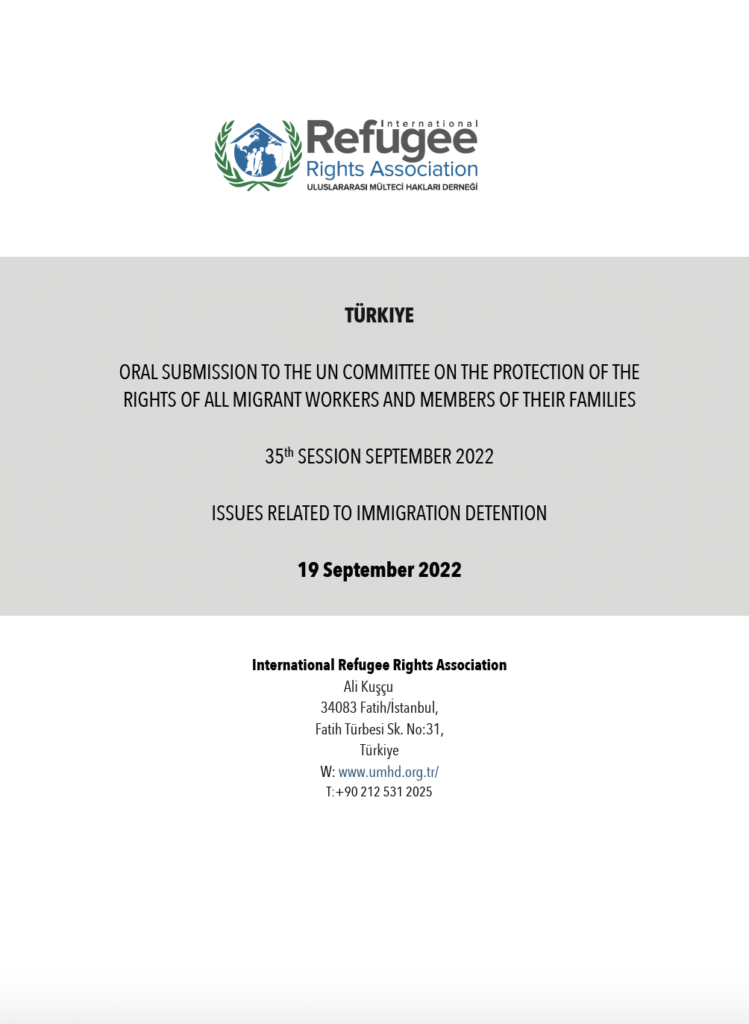
On Monday 19th September, the GDP’s Türkiye-based partner – the International Refugee Rights Association (IRRA) – delivered a virtual presentation at the 35th Session of the UN Committee on the Protection of the Rights of All Migrant Workers and Members of their Families. This oral submission drew the committee’s attention to Türkiye’s laws and practices […]
Submission to the UN Committee on Migrant Workers: General Comment No.6 on the Convergence of the International Convention on the Rights of Migrant Workers and the Global Compact for Migration
To support the UN CMW’s work developing its new General Comment (No.6) on the Convergence of the Convention and the Global Compact for Safe, Orderly and Regular Migration, the GDP has provided comments – particularly regarding Articles 16 and 17 of the ICRMW and Objective 13 of the GCM. […]