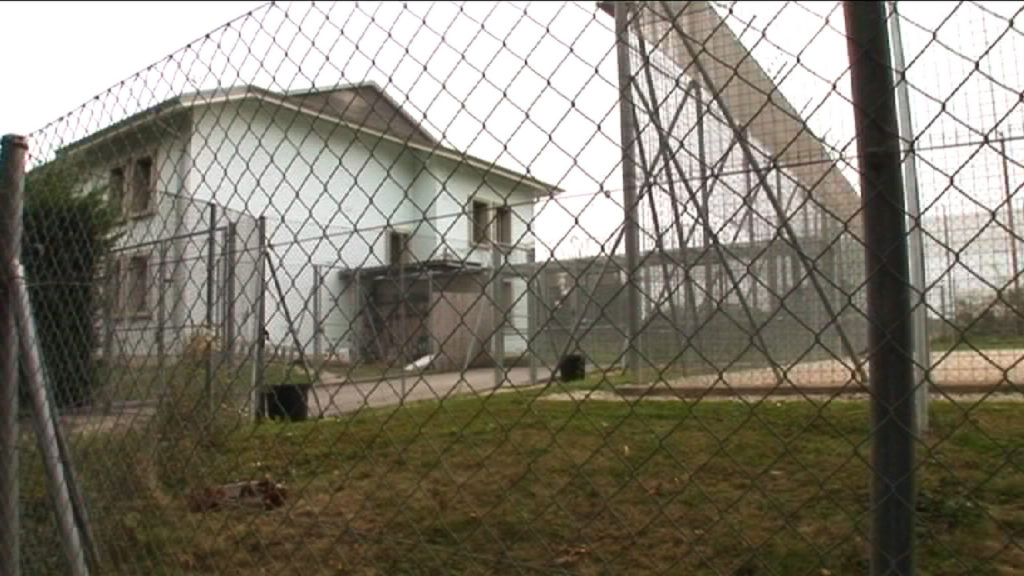
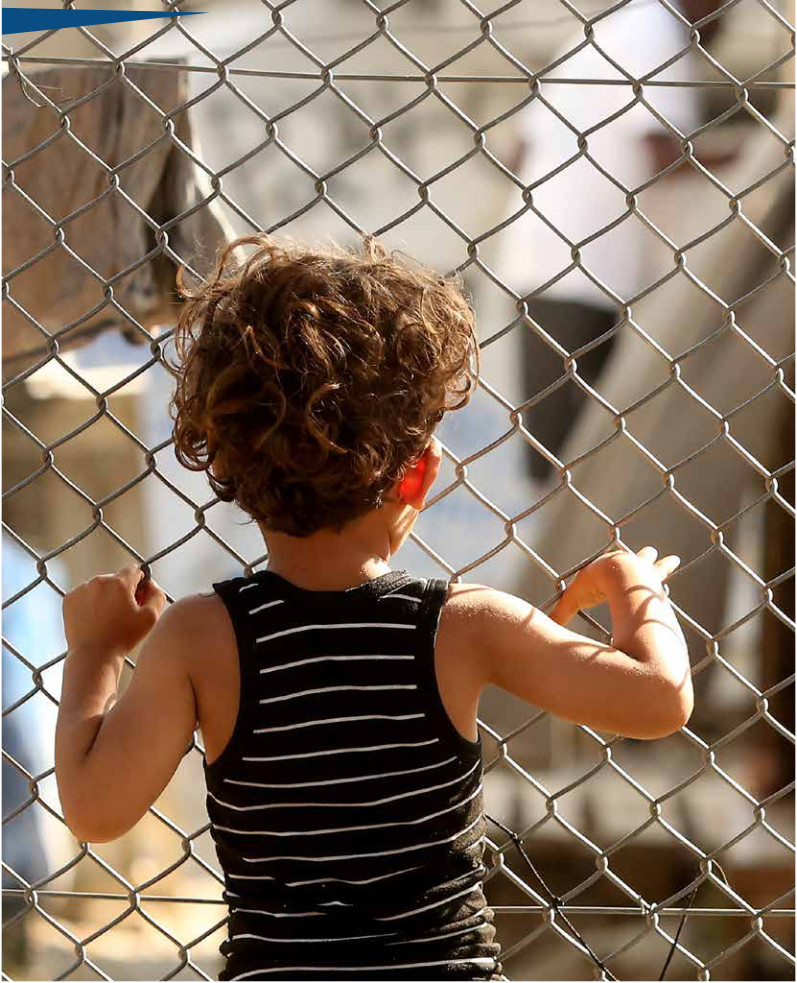
Mexico has one of the largest immigration detention systems in the world, employing several dozen detention centres—euphemistically called “estaciones migratorias”—and detaining tens of thousands of people every year. […]
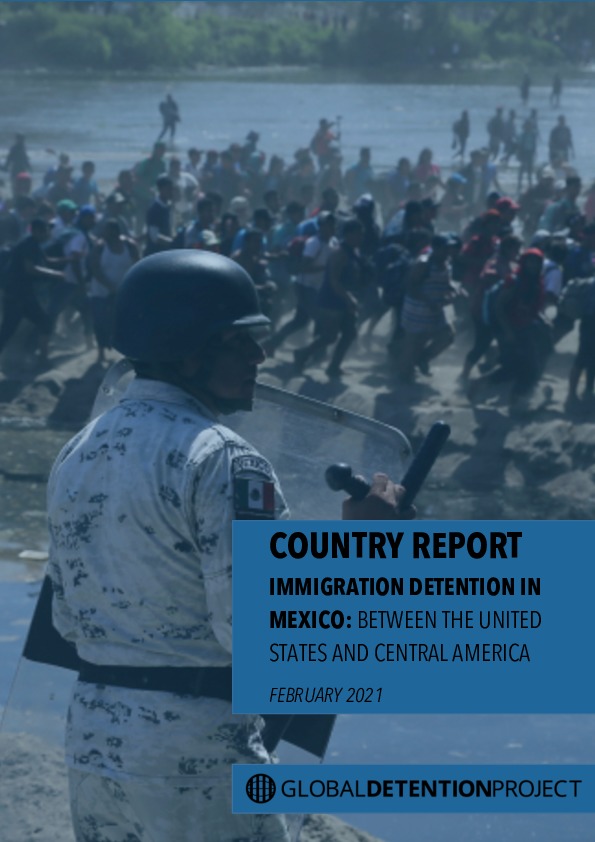
Colombia: Covid-19 and Detention
On 8 February 2021, Colombian President Iván Duque announced that the country would give protected status to almost one million undocumented Venezuelan migrants present in the country, a move that contrasted sharply with the government’s previous declarations opposing vaccinations for undocumented migrants. President Duque said that the protective status would last 10 years, enabling migrants […]
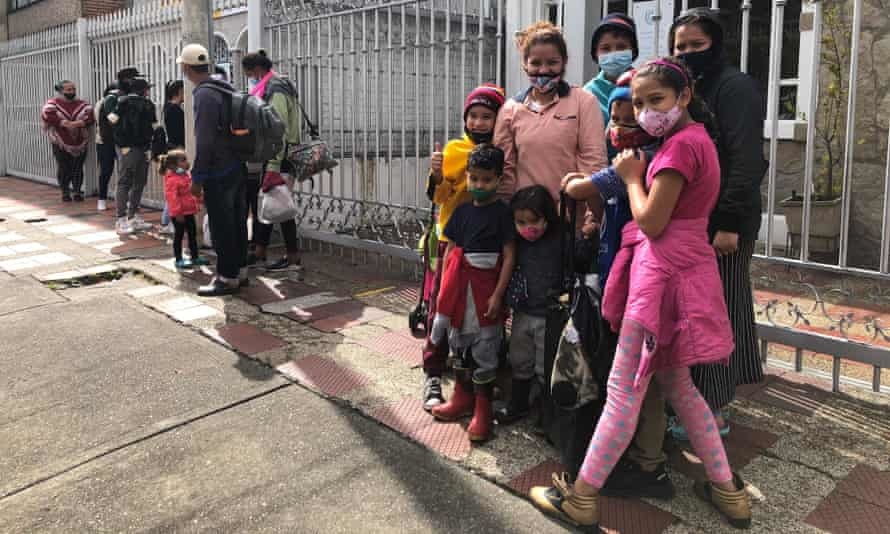
New Zealand: Covid-19 and Detention
New Zealand has received fresh criticism for the prolonged detention of people in asylum and immigration enforcement procedures since the onset of the COVID-19 pandemic. The Asylum Seekers Support Trust and other civil society observers have criticised the government’s handling of detained asylum seekers, as well as the lack of support provided those granted status. […]
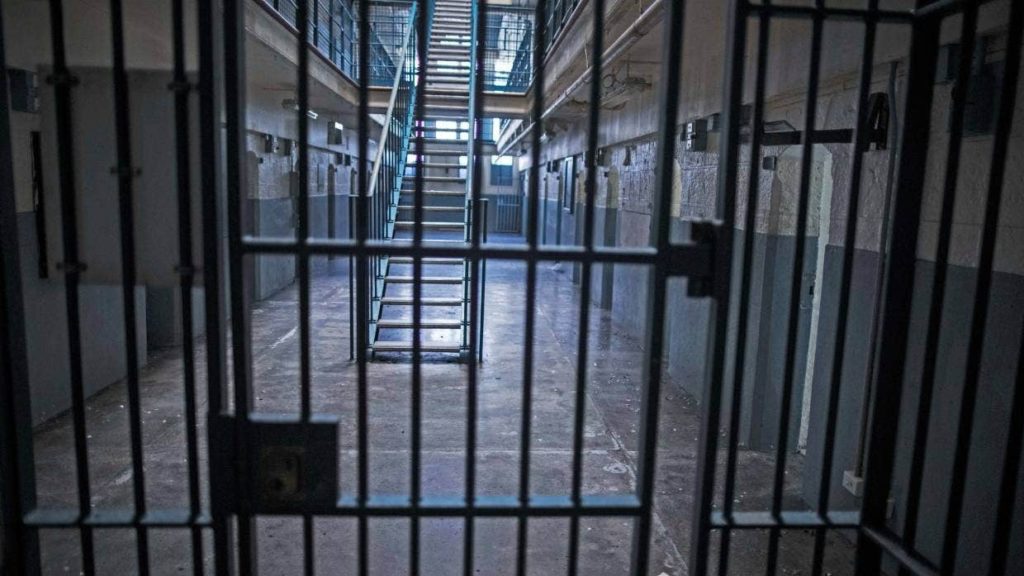
Haiti: Covid-19 and Detention
Haiti reported its first two positive COVID-19 cases on 20 March 2020. As a response, the government implemented policies such as the closing of airports, ports, schools, and factories, limits on gatherings, and a curfew. The shared border with the Dominican Republic (DR) was also officially closed, yet border crossings persisted in practice and were […]
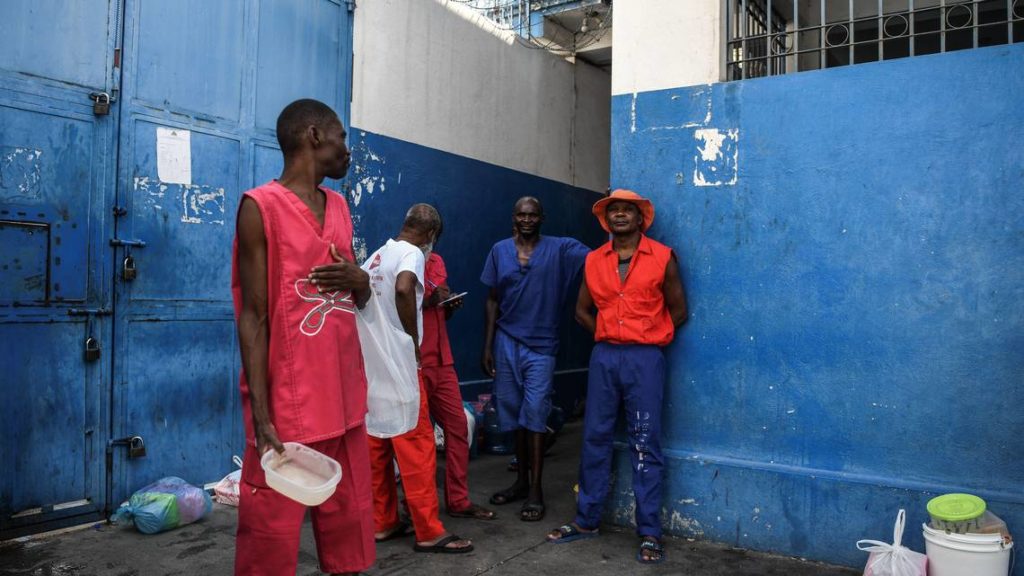
Spain: Covid-19 and Detention
During the past year Spain’s Canary Islands, situated off the western coast of North Africa, have witnessed a surge in migrant and asylum-seeker arrivals, a recurring situation that emerges when migration routes elsewhere in Africa are blocked. According to the Spanish Interior Ministry, the number of maritime arrivals during 2020 was eight times higher than […]
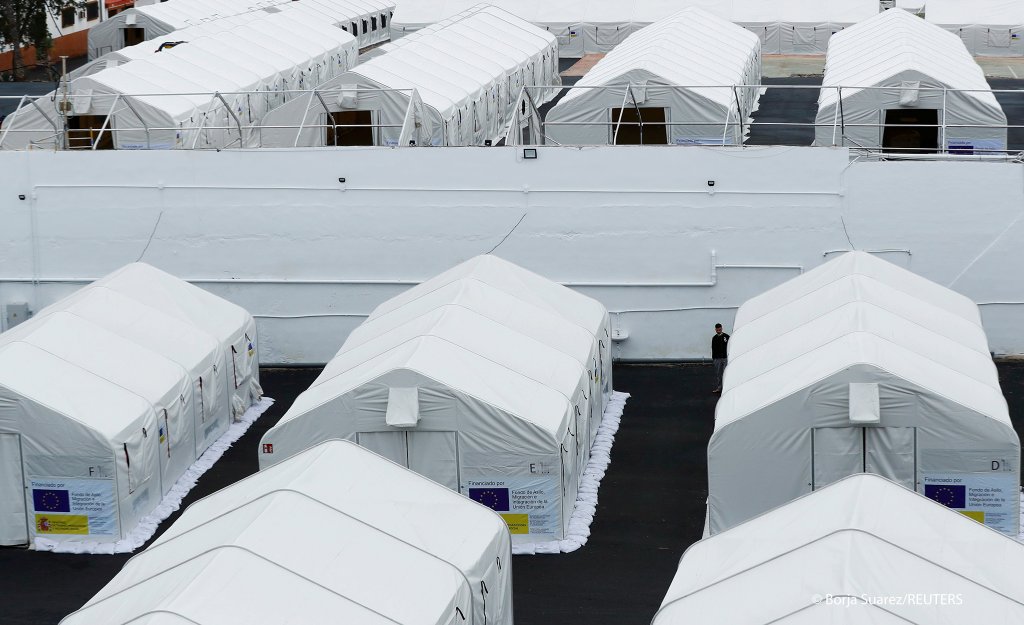
Congo (Republic): Covid-19 and Detention
According to UNHCR, as of mid-2020 the Republic of Congo (RoC)–which is facing the double threat of COVID-19 and Ebola–was hosting 43,656 refugees and asylum seekers and 304,000 internally displaced persons (IDPs). Refugees and asylum seekers are primarily from the neighbouring Democratic Republic of the Congo (DRC), Central African Republic, and Rwanda. On March 15, […]
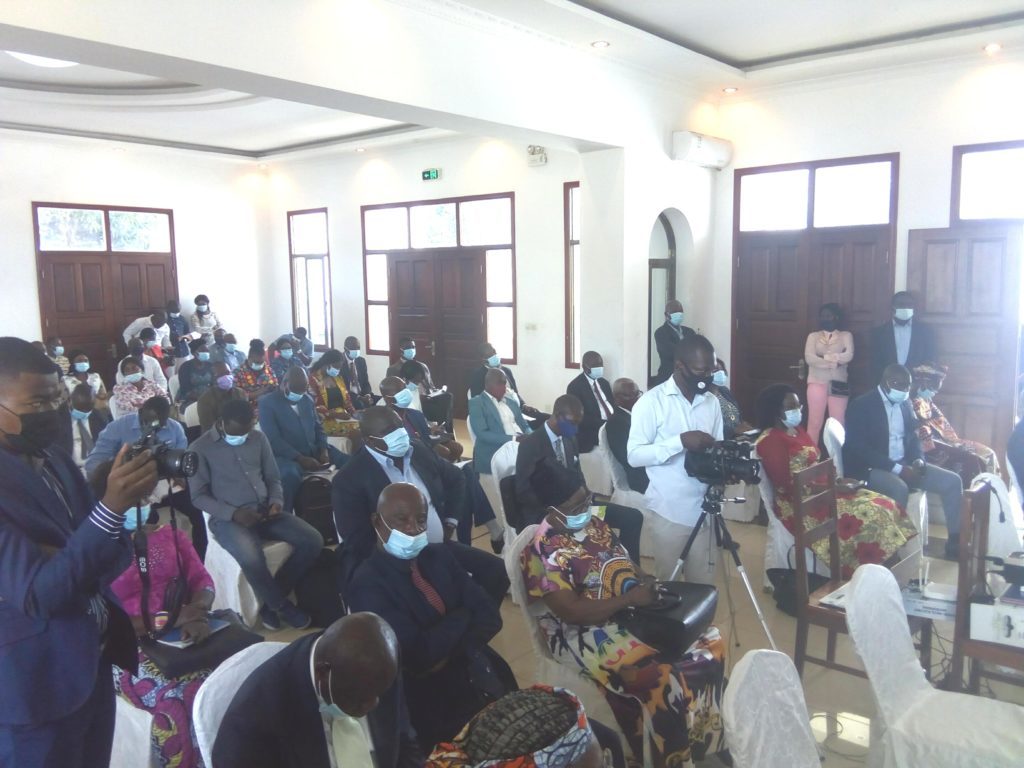
Implementing the Non-Punishment Principle for Victims of Trafficking
On 4-5 February, the GDP’s Michael Flynn served as a moderator during a two-day expert consultation convened by the UN Special Rapporteur (SR) on trafficking in persons – Siobhán Mullally – aimed at informing the SR’s June 2021 report to the Human Rights Council. The discussion was based on the 2020 paper published by the […]
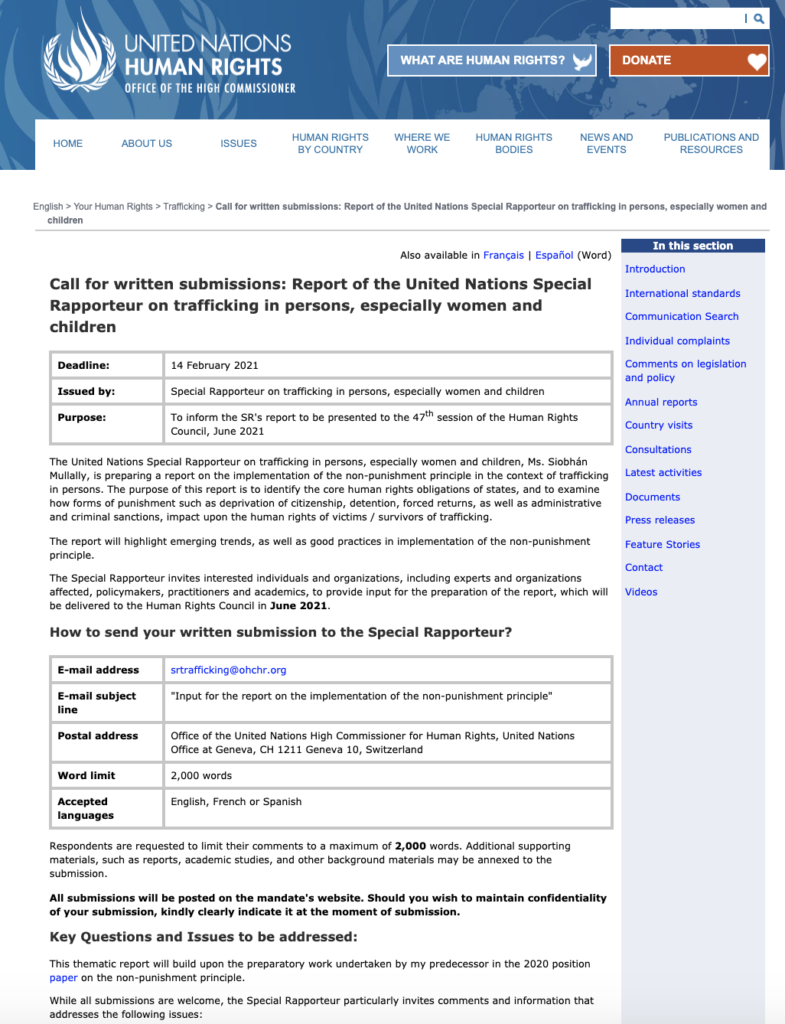
Lebanon: Covid-19 and Detention
Lebanon, which is currently under a strict lockdown that includes a 24/7 curfew, recently witnessed a surge in COVID-19 cases. On 27 January, the country’s interim health minister announced that every person in the country—regardless of their nationality–would receive a COVID-19 vaccination. Questions remain, however, whether many refugees will be willing to present themselves for […]
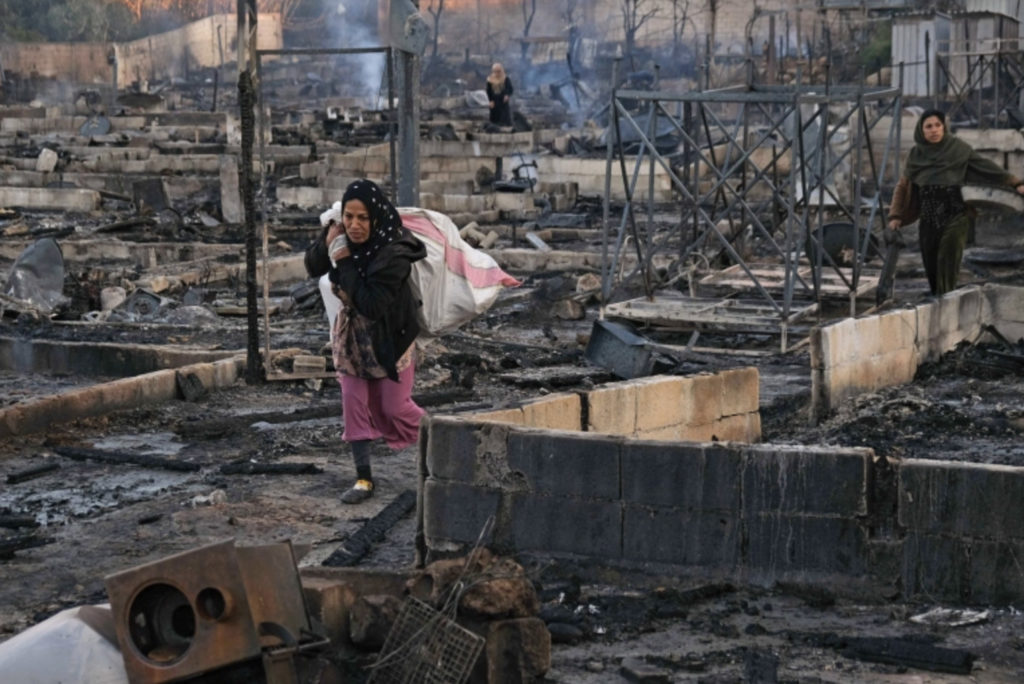
United Kingdom: Covid-19 and Detention
Since opening as asylum accommodation in October 2020, the UK’s Napier Barracks–formerly military barracks operated by the Ministry of Defence–have been the subject of intense criticism. Run by a private contractor (Clearsprings, which stands to make £1 billion in ten years from its government contracts to run asylum centres in Wales and South East England), […]
Switzerland: Covid-19 and Detention
On 26 January 2021, the SRF/RTS reported that the Asylum Departure Centre in Aarwangen was placed under quarantine by the Canton of Bern because 19 of its 100 inhabitants had tested positive for COVID-19. They also closed the facility’s kindergarten and school. On 29 January 2021, the Canton reported that the number of positive cases […]