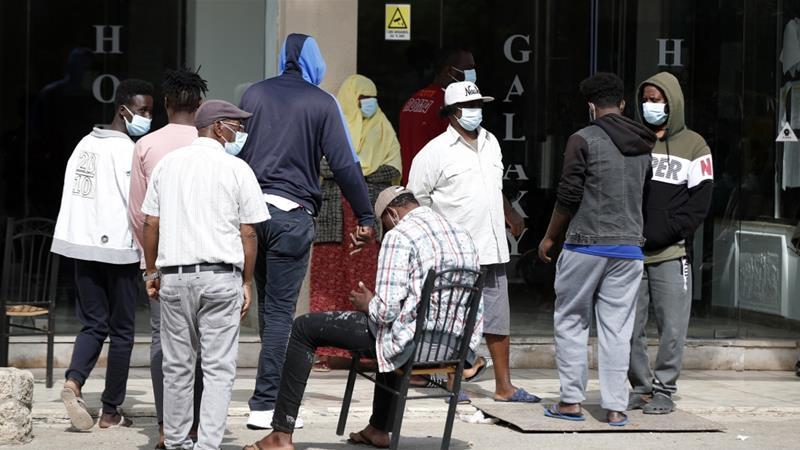
The Italian Minister for Agricultural Policies, Teresa Bellanova, said (6 May) that she wants to regularise some 600,000 undocumented workers. She said: “If this doesn’t happen, the State becomes not only an accomplice but also a promoter of illegality in which these workers are forced.” The confederation of Italian farmers said the regularisation of undocumented […]
European Union
France: Covid-19 and Detention
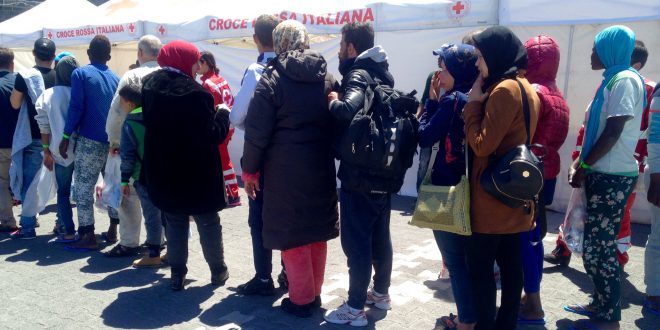
On 1 May, a journalist from France Info visited a detention centre for migrants (Centres de retention administrative – CRA) near Paris. They confirmed that there are new arrivals every week; at the time, 59 detainees were at the centre. In the absence of international flights in destinations of non-european countries, detainees awaiting deportation are […]

Belgium: Covid-19 and Detention
Global Detention Project Survey completed by Laura Cleton (@LauraCleton), University of Antwerp IS THERE A MORATORIUM ON NEW IMMIGRATION DETENTION ORDERS? There has been no public information on whether new detention orders are still being made. In terms of Orders to Leave the Territory (OLT), the Minister for Social Affairs, Public Health, Migration and Asylum, […]
Sweden: Covid-19 and Detention
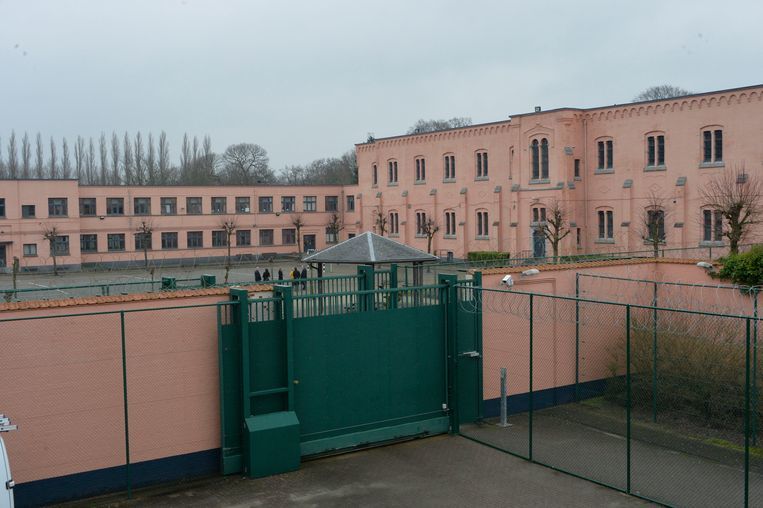
Sweden’s response to Covid-19 has been different to the approach taken by many neighbouring European countries. It has not imposed quarantine on its population, but rather called on its citizens to “take responsibility” and follow the recommendations of health authorities. To date, Sweden has recorded more than 21,000 cases of Covid-19 and 2,586 deaths related […]
Netherlands: Covid-19 and Detention
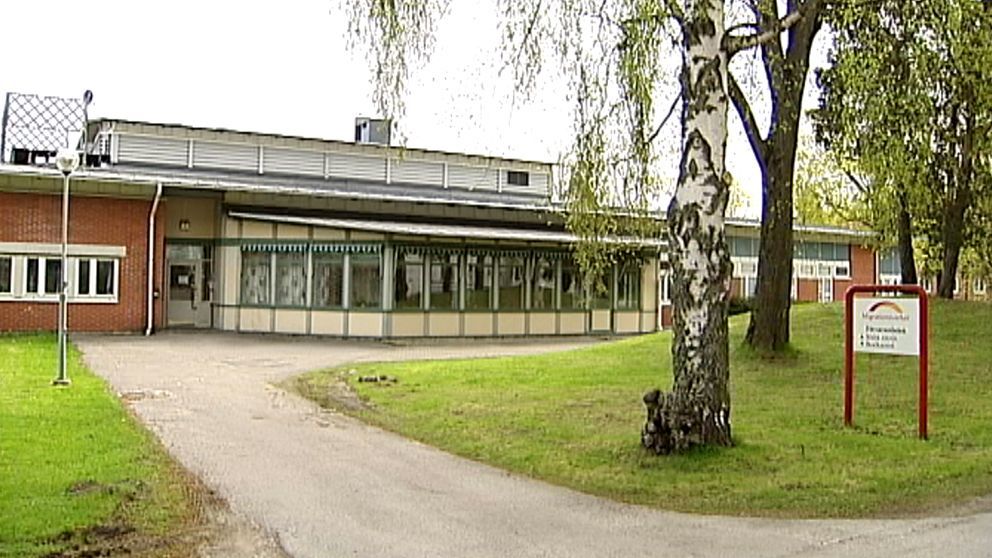
Global Detention Project Survey completed by Laura Cleton, University of Antwerp HAS THE NETHERLANDS PLACED A TEMPORARY MORATORIUM ON NEW IMMIGRATION DETENTION ORDERS BECAUSE OF THE COVID-19 PANDEMIC? NO. Some categories of undocumented migrants, especially those with criminal records, can still be placed in immigration detention if apprehended by the police. The Minister for Migration […]
Ireland: Covid-19 and Detention
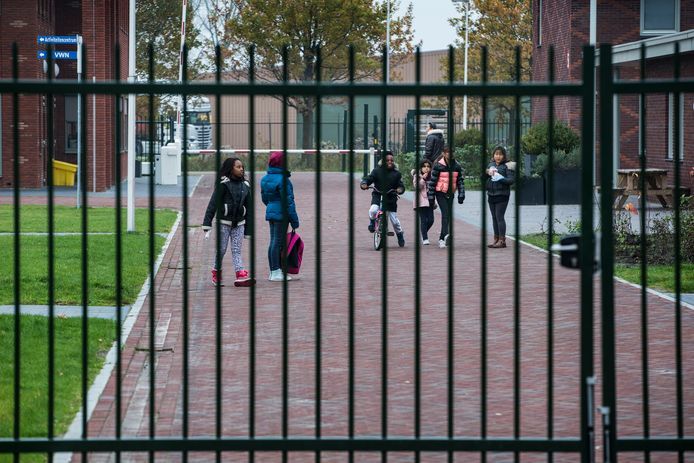
The Ombudsman’s Annual Report on Direct Provision asylum centres, published on 23 April, says that the Covid-19 crisis has underscored how “unsuitable and unsustainable” the physical constraints at these centres are, in particular because of the lack of overall space in the facilities and their lack of resources. The standards provide “a minimum space of […]
Norway: Covid-19 and Detention
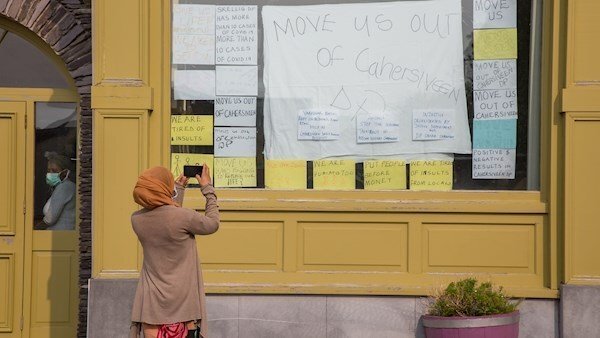
The Trandum National Police Immigration Detention Centre, Norway’s only immigration detention facility which has a capacity of 220, had a population of 50 detainees as of 1 April, according to a communication from the Norwegian Red Cross (NRC) to the Global Detention Project (GDP). A series of measures have been implemented to avoid the spread […]
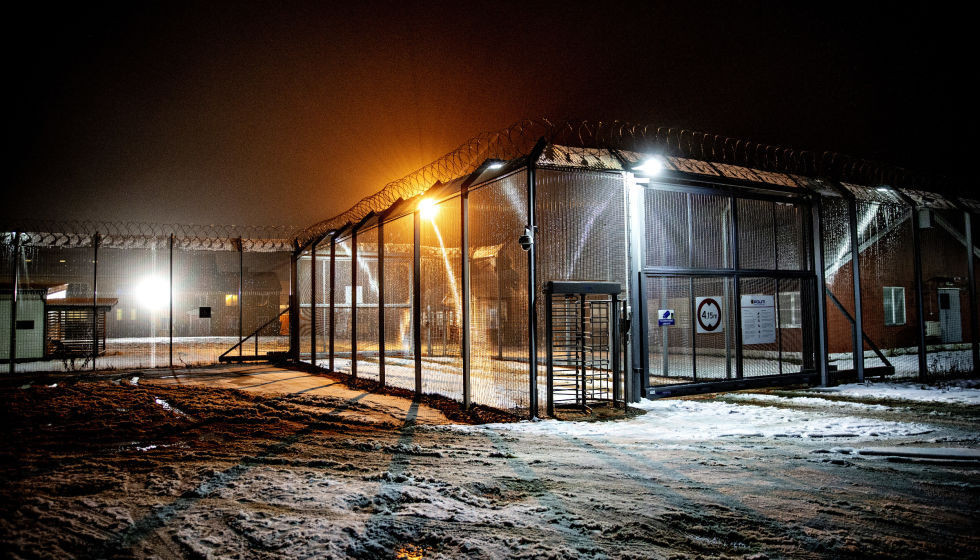
Denmark: Covid-19 and Detention
The Covid-19 pandemic has particularly affected refugees and migrants in Denmark – a country that has pursued increasingly restrictive immigration and asylum policies in recent years. Reports indicate that all integration programmes have been put on hold and language schools are closed. (Although the country has now tentatively started to ease its lockdown restrictions, these […]
Spain: Covid-19 and Detention
Spain’s Defensor del Pueblo (Ombudsman) released a statement on 17 April that expressed concern about the overpopulation at detention centres in Ceuta and Melilla (called “Centros de estancia temporal para inmigrantes”). The Ombudsman highlighted the plight of children at these facilities, as reports indicate that a large number of them are held there. The Ombudsman […]
Greece: Covid-19 and Detention
Nearly 42,000 refugees remain in overcrowded detention camps as the Covid-19 pandemic spreads, with refugees lacking access to essential items and services, such as soap and water as well as basic health care. Despite calls from civil society and the European Commission to release detainees into adequate alternatives and after several detainees tested positive, the […]