A new report by Migrant Rights Research Open Repository (MRRORS), a Gulf-based civil society organisation, documents a coordinated campaign in the UAE involving the detention and deportation of Pakistani Shia migrants. Against the backdrop of the Iran war and growing securitisation across the Gulf, deportees allege they were targeted primarily on the basis of their Shia identity or suspected Iranian sympathy, and describe experiencing physical and verbal abuse in detention. […]
Detention Blog


Tanzania: Allegations of Detention Amidst Coerced Returns
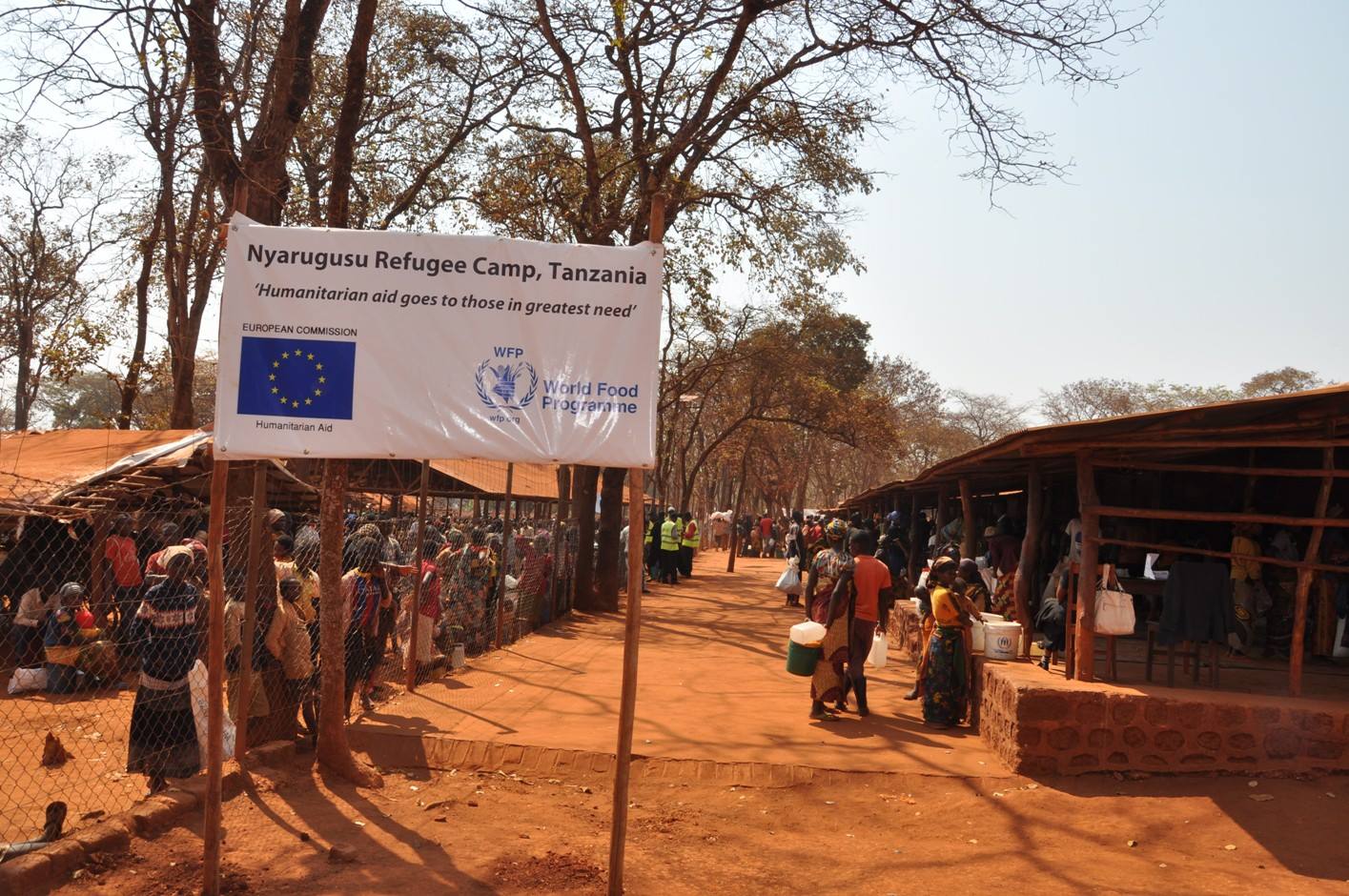
The Global Detention Project has received allegations from Burundian refugees in Tanzania that authorities are detaining individuals who leave Nyarugusu refugee camp, imposing movement restrictions on camp residents, and intensifying harassment and intimidation aimed at pressuring Burundian refugees to leave the country. These claims, which coincide with similar reports from other observers, appear to be […]

Pakistan: Mass Detention and Forced Returns of Afghans Amid Escalating Crackdown
There has been a marked escalation in enforcement actions against Afghan nationals in Pakistan. Under the government’s Illegal Foreigners’ Repatriation Plan, adopted in 2023 for purported national security reasons, hundreds of thousands of Afghans have been rounded up in raids and then subjected to arrest, detention, and summary deportation. […]

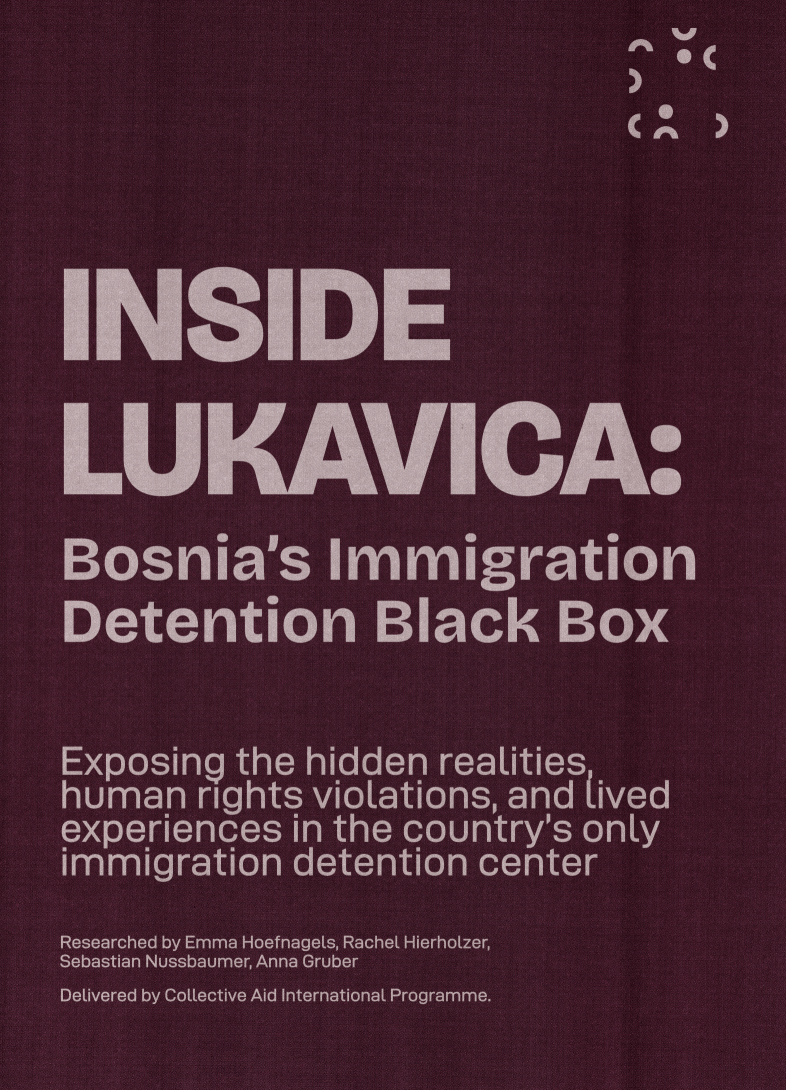
Bosnia: “Inside Lukavica: Bosnia’s Immigration Detention Black Box”
A new report from Collective Aid, a Global Detention Project partner in the Balkans, reveals systemic human rights violations at Lukavica Detention Centre, Bosnia and Herzegovina’s (BiH) sole detention facility for migrants. Despite the existence of formal legal safeguards under Bosnian legislation and official assurances by authorities, the report exposes a facility shrouded in opacity, documenting degrading living conditions, arbitrary detention, a near-total absence of independent monitoring, and serious barriers faced by detainees in accessing legal remedies. […]
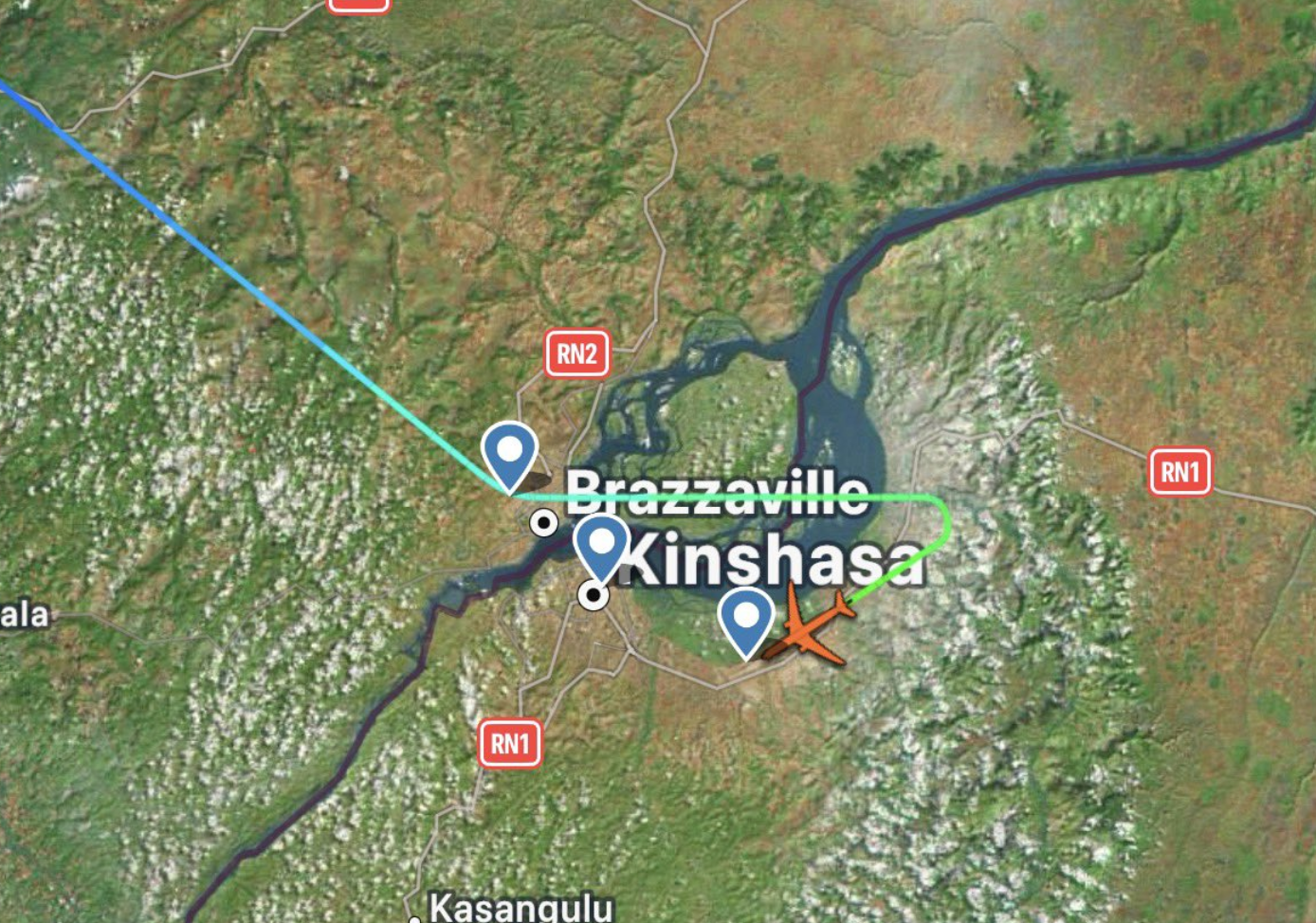
Democratic Republic of Congo: US Third-Country Deportations Amidst a Human Rights Crisis
In April, after the Democratic Republic of Congo announced the launch of a “temporary reception system for third country nationals,” a group of deportees from the United States arrived, marking the latest expansion of the Trump administration’s massive immigration crackdown and deportation agenda. Upon arrival, the group were placed in a hotel from which they were reportedly prevented from leaving, raising credible fears of de facto detention. With the DRC facing a severe and well-documented human rights crisis characterised by ongoing armed conflict, mass displacement, and widespread abuses by state and non-state actors, the choice of destination is a deeply troubling one. […]

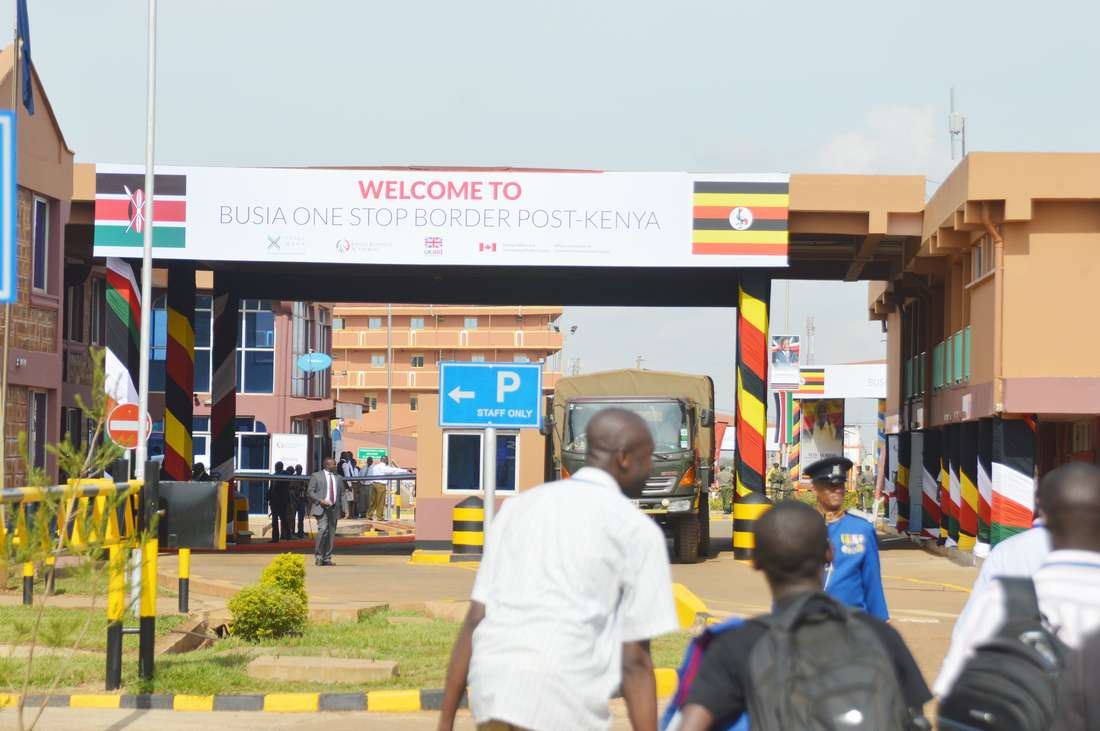
Kenya: Security Versus Protection?
In February, the UK and Kenya signed a Memorandum of Understanding on “collaborative border security,” reinforcing a bilateral partnership on migration that reflects Kenya’s securitised approach to migration and refugee issues, which includes the use of dozens of police stations and prisons across the country for immigration detention purposes. In contrast, Kenya’s National Commission on Human Rights joined counterparts from Ethiopia, Mozambique, and Zambia in a recent public demand for stronger protections for migrants travelling along the so-called “Southern Route,” warning of escalating rights abuses linked to increasingly enforcement-driven approaches. […]

Serbia: Rights at Risk Amidst Ongoing Ad Hoc, De-Facto Detention
Although Serbia maintains official immigration detention facilities, migrants, refugees, and asylum seekers continue to be deprived of their liberty in a range of informal sites where their fundamental rights are violated. Testimonies from former detainees and reports by the country’s National Preventive Mechanism also highlight poor detention conditions in both formal and informal settings–with limited access to health care remaining a particular concern–and vulnerable groups including children remain at risk of detention. […]
Libya: EU Plans in Eastern Libya Threaten Increased “Pullbacks” and Detentions
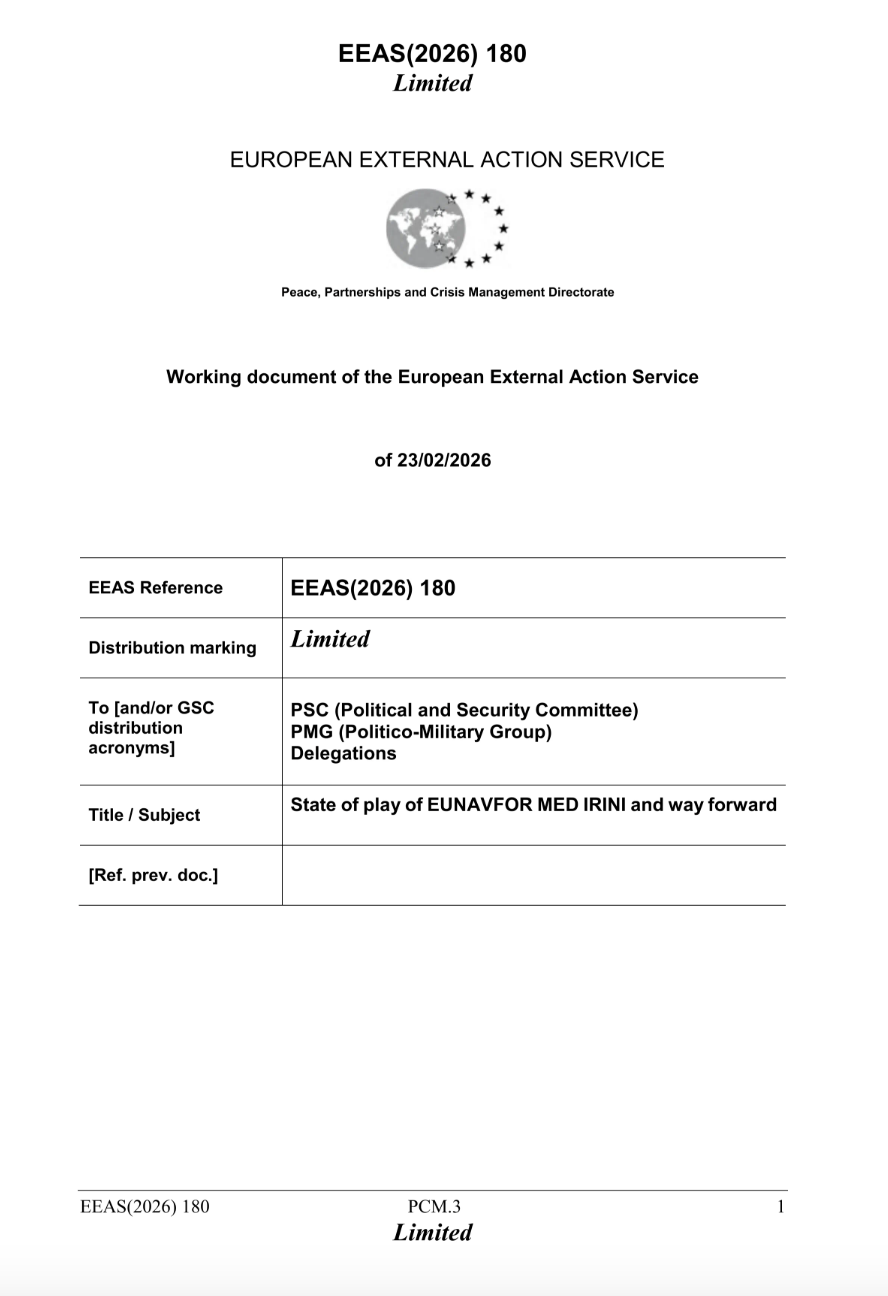
Amidst growing numbers of irregular departures from eastern Libya towards the Greek islands of Gavdos and Crete, internal EU documents reveal plans to collaborate with the country’s de facto leader Gen. Khalifa Haftar to intercept irregularly departing migrants. The plans could significantly expand Libya’s migrant “pullbacks,” leading to more people being stranded in the country’s […]
Cyprus: Stepped Up Efforts to Return Non-Nationals During EU Council Presidency
In recent weeks, Cypriot authorities have stepped up nationwide enforcement raids targeting irregular and undocumented migrants resulting in dozens of detentions and deportations. These events are part of the country’s wider focus on stepping up the return of non-nationals to their countries of origin–something that the country also seeks to prioritise during its Presidency of […]

Cameroon: Another Third-Country Removal Scheme Ending with Detention
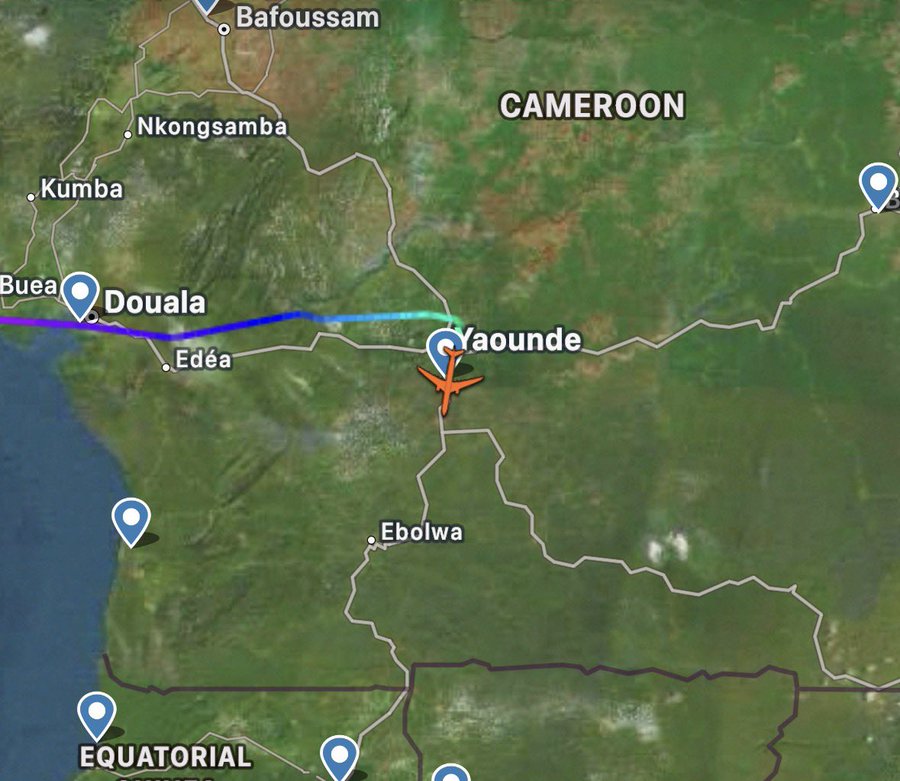
This year, the Trump administration has quietly deported seventeen men and women to Cameroon under a murky arrangement that is part of broader U.S. efforts to send “unremovable” migrants and asylum seekers to third countries. Upon arrival in the capital Yaoundé, the deportees were reportedly detained and threatened with removal to their countries of origin. […]