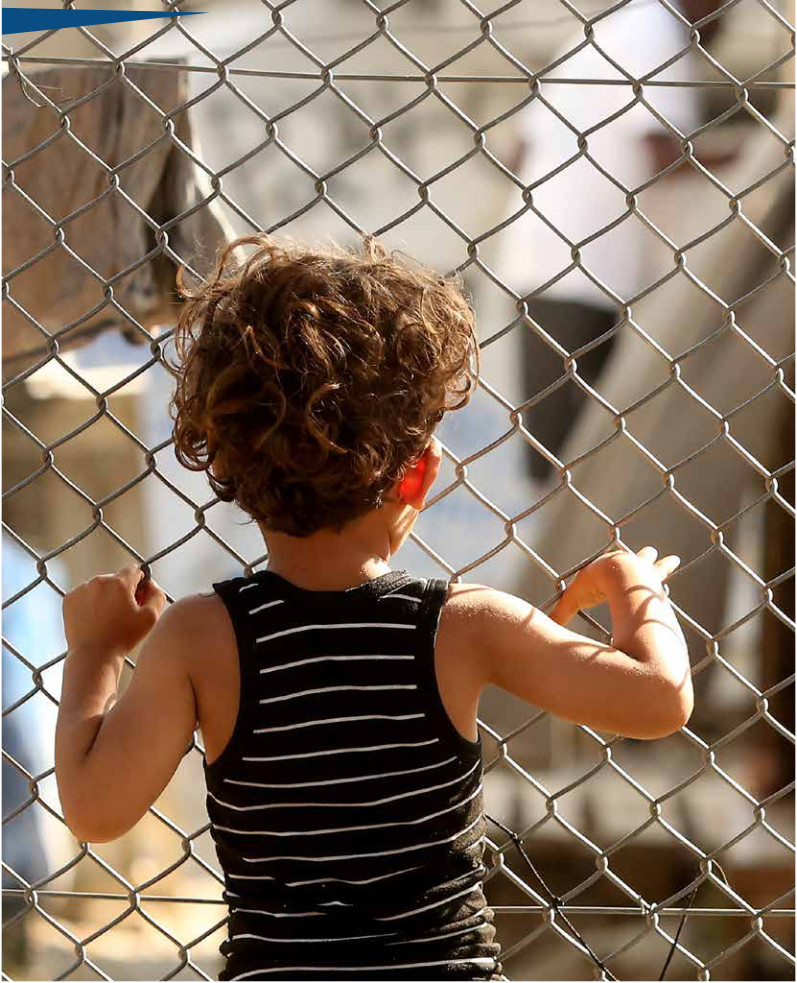
A damning new report in the New York Times (16 August) reveals the extensive use of hotels and untrained private contractors to detain unaccompanied children and families as part of speedy removal proceedings. The practice, part of the Trump administration’s pandemic-related immigration and border measures, aims to quickly “expel” migrants from the country rather than […]
Detention Blog


Guyana: Covid-19 and Detention
As of 12 August 2020, Guyana had registered 602 cases of Covid-19 and 22 deaths related to the disease. Guyana has been an important destination for Venezuelans leaving their country. In 2019, the International Crisis Group reported that there were more than 36,000 Venezuelans in Guyana. According to the aid group Response for Venezuelans (R4V), […]


Belize: Covid-19 and Detention
Belize does not appear to have a dedicated immigration detention facility though it detains migrants in administrative procedures in Belize Central Prison. On 13 August, visits to the prison were suspended indefinitely due to the rise in Covid-19 cases in the country. There had been no confirmed cases in Belize Central Prison as of mid-August. […]


Angola: Covid-19 and Detention
According to UNHCR, as of mid-2020 there were 80,698 refugees and asylum seekers in the country. Angola had 1,762 cases of COVID-19 as of 13 August, however there is little information about whether infections have been detected among the country’s refugee population. In late May, after a 60-day state of emergency, the government began loosening […]


Finland: Covid-19 and Detention
Responding to the Global Detention Project’s Covid-19 survey, the deputy director of the Joutseno Reception Centre reported that no moratorium on new immigration detention orders had been established in the country. The administration said that new detention orders have been issued during the Covid-19 crisis period but that the number of detainees has been lower […]


Trinidad and Tobago: Covid-19 and Detention
Trinidad and Tobago adopted a series of measures in response to the Covid-19 pandemic, including health-related measures, employment benefits, food handouts, and temporary extension of residence permits and certificates. However, most asylum seekers and irregular migrants, mainly from Venezuela, did not benefit from these measures, aside from receiving primary health care (see 9 May Trinidad […]


Venezuela: Covid-19 and Detention
During the four-year period 2016-2019, more than 4.6 million men, women, and children fled or otherwise departed Venezuela because of burgeoning political and economic crises. According to the UNHCR, some 4,000 and 5,000 Venezuelan nationals were leaving the country every day, mainly travelling on foot to neighbouring countries like Colombia, Peru, or Ecuador; thousands of […]


Andorra: Covid-19 and Detention
The tiny country of Andorra, located in the Pyrenees between France and Spain, has one of the highest percentages of international migrants in the world, which as of 2017 accounted for more than 50 percent of the country’s population of some 80,000. To date, the GDP has not identified any dedicated immigration removal facilities, and […]

Belgium: Covid-19 and Detention
According to an international organisation official who asked to remain anonymous, but whose identity was verified by the GDP, while no moratorium on new immigration detention orders was established, fewer detention orders have been issued since the onset of the Covid-19 pandemic. The Director-General of the Immigration Office (IO) and the Minister for Asylum and […]


Ježevo Reception Centre for Foreigners from report of the European Committee for the Prevention of Torture 2020 visit to Croatia)
Ježevo Reception Centre for Foreigners (Read full CPT report)44. The CPT’s delegation visited the Ježevo Reception Centre for Foreigners, the largest of the three pre-removal facilities for the administrative detention of foreigners in the country,51 for the first time since 2007. The establishment consists of two residential units (one of which is for vulnerable groups). […]