Despite recent setbacks in passing migration and asylum reforms, Dutch authorities are now seeking to pass standalone legislation to make irregular stay a criminal offence. The proposed measure has been widely criticised as incompatible with international human rights standards. Set against a backdrop of stricter family reunification rules, expanded return measures, a newly introduced two-tier asylum system, and persistent concerns surrounding detention conditions and regimes, the effort is part of the country’s increasingly restrictive approach to migration. […]

Webinar: “Immigration Detention: From Global Trends to Bosnia and Herzegovina”
On 23 June, the GDP was invited to speak at a Collective Aid webinar, “Immigration Detention: From Global Trends to Bosnia and Herzegovina.” Presenting their latest research report examining conditions within Bosnia and Herzegovina‘s Lukavica Detention Centre, Collective Aid’s Advocacy Manager Anna Gruber highlighted serious deficiencies in the centre, including degrading living conditions, a near-total […]

Equatorial Guinea: US Third Country Deportations to Another Country Accused of Widespread Corruption and Human Rights Abuses
Since late 2025, the United States has been deporting individuals, including those with existing protection orders, to Equatorial Guinea under a secretive bilateral temporary transfer agreement that is similar to others set up by the US with countries across Africa and Latin America. Reports indicate that upon arrival the deportees have been detained in a […]
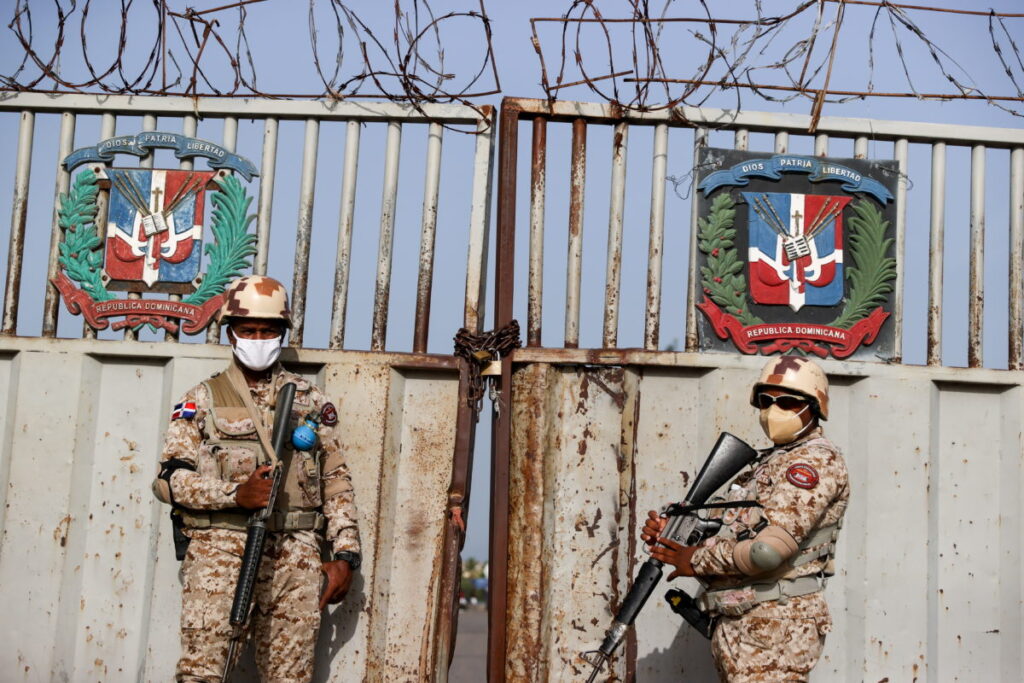
Dominican Republic: Receiving Third-Country Deportations from the United States Undermines Refugee Protection
Members of the National Army guard the bridge between the Dominican Republic and Haiti, after the shared border was closed when Haiti’s President Jovenel Moise was shot dead by gunmen at his private home in Port-au-Prince, in Dajabon, Dominican Republic July 8, 2021. Photo by Ricardo Rojas/REUTERS […]
United Arab Emirates: Targeting of Shia Migrants for Deportation Amidst Iran War
A new report by Migrant Rights Research Open Repository (MRRORS), a Gulf-based civil society organisation, documents a coordinated campaign in the UAE involving the detention and deportation of Pakistani Shia migrants. Against the backdrop of the Iran war and growing securitisation across the Gulf, deportees allege they were targeted primarily on the basis of their Shia identity or suspected Iranian sympathy, and describe experiencing physical and verbal abuse in detention. […]

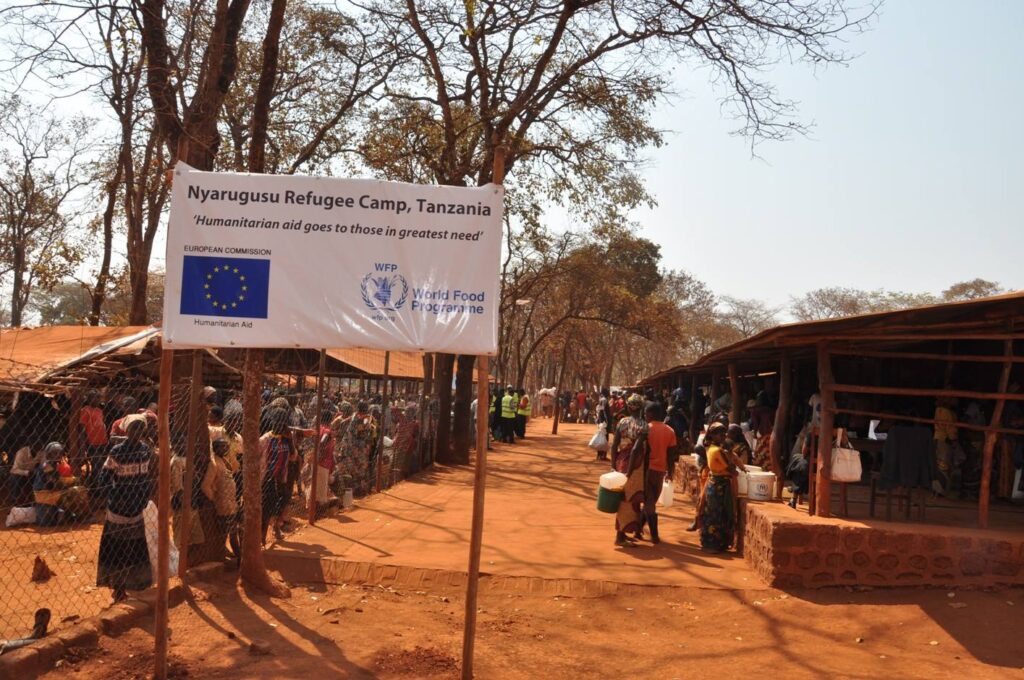
Tanzania: Allegations of Detention Amidst Coerced Returns
The Global Detention Project has received allegations from Burundian refugees in Tanzania that authorities are detaining individuals who leave Nyarugusu refugee camp, imposing movement restrictions on camp residents, and intensifying harassment and intimidation aimed at pressuring Burundian refugees to leave the country. These claims, which coincide with similar reports from other observers, appear to be […]
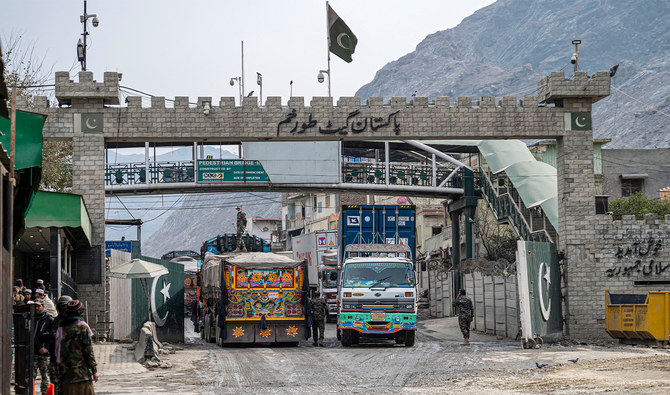
Pakistan: Mass Detention and Forced Returns of Afghans Amid Escalating Crackdown
There has been a marked escalation in enforcement actions against Afghan nationals in Pakistan. Under the government’s Illegal Foreigners’ Repatriation Plan, adopted in 2023 for purported national security reasons, hundreds of thousands of Afghans have been rounded up in raids and then subjected to arrest, detention, and summary deportation. […]
Bosnia: “Inside Lukavica: Bosnia’s Immigration Detention Black Box”
A new report from Collective Aid, a Global Detention Project partner in the Balkans, reveals systemic human rights violations at Lukavica Detention Centre, Bosnia and Herzegovina’s (BiH) sole detention facility for migrants. Despite the existence of formal legal safeguards under Bosnian legislation and official assurances by authorities, the report exposes a facility shrouded in opacity, documenting degrading living conditions, arbitrary detention, a near-total absence of independent monitoring, and serious barriers faced by detainees in accessing legal remedies. […]
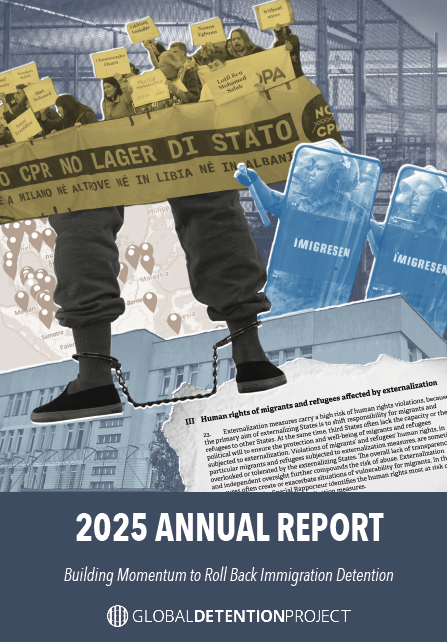
2025 Annual Report: Building Momentum to Roll Back Immigration Detention
The Global Detention Project 2025 Annual Report chronicles a year of expanding research, advocacy, and global engagement amid rapidly evolving migration control regimes. From exposing abusive detention practices and opaque deportation arrangements to strengthening partnerships with UN bodies, civil society, and affected communities, the report captures growing momentum to challenge immigration detention and advance respect for migrants’, asylum seekers’, and refugees’ fundamental rights worldwide. […]
Democratic Republic of Congo: US Third-Country Deportations Amidst a Human Rights Crisis
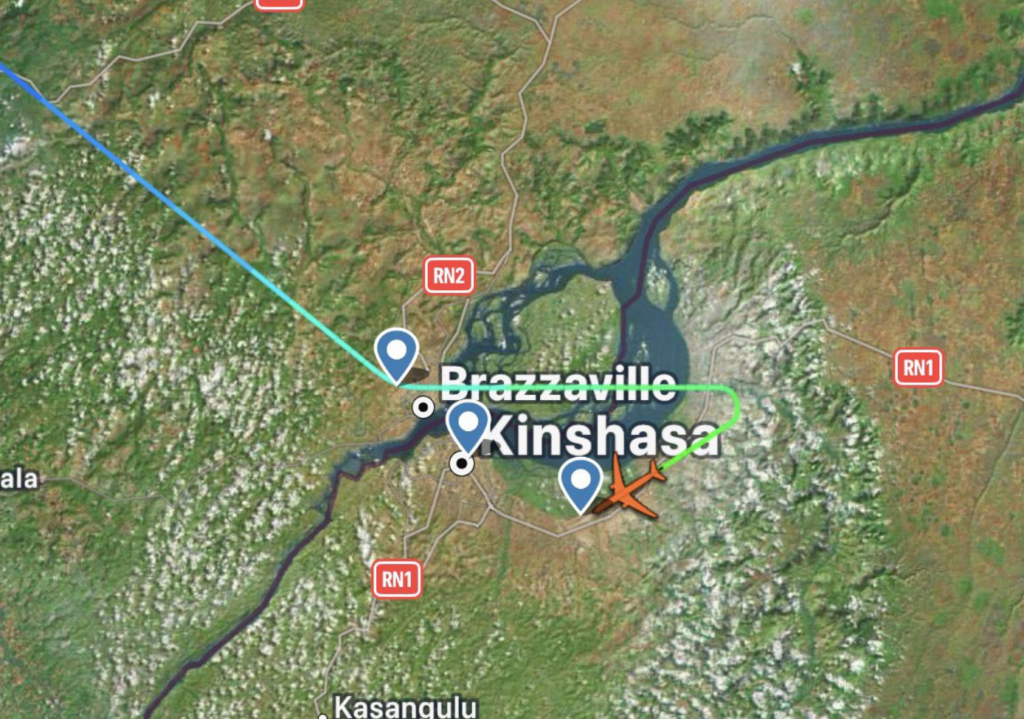
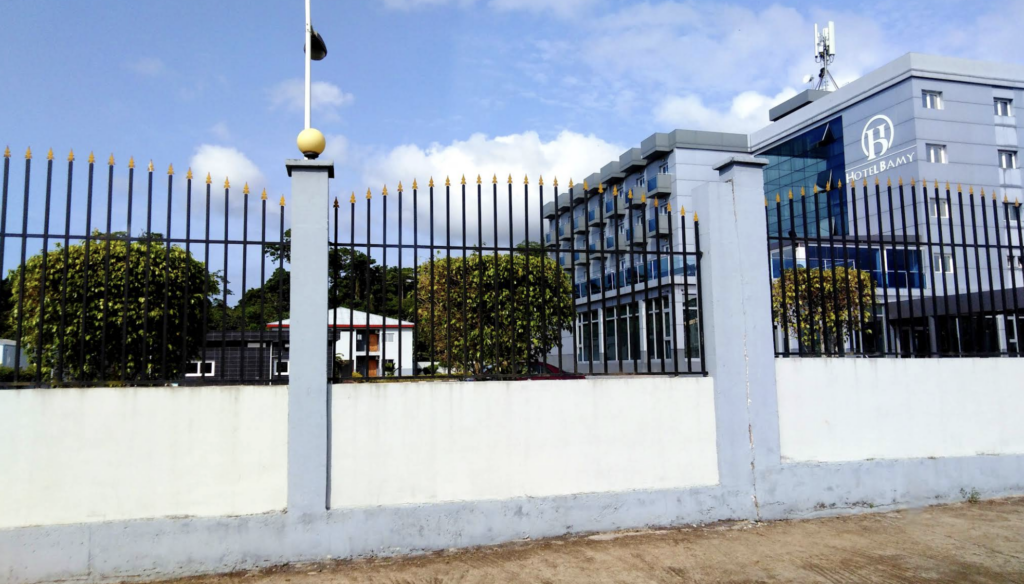
In April, after the Democratic Republic of Congo announced the launch of a “temporary reception system for third country nationals,” a group of deportees from the United States arrived, marking the latest expansion of the Trump administration’s massive immigration crackdown and deportation agenda. Upon arrival, the group were placed in a hotel from which they were reportedly prevented from leaving, raising credible fears of de facto detention. With the DRC facing a severe and well-documented human rights crisis characterised by ongoing armed conflict, mass displacement, and widespread abuses by state and non-state actors, the choice of destination is a deeply troubling one. […]