Poland has experienced important reductions in the number of arriving asylum seekers since the onset of the COVID-19 pandemic: in 2020, there were 2,803 asylum applications, compared with 4,096 in 2019. According to the European Council on Refugees and Exiles, as of 1 January 2021, there were 1,319 persons holding valid residence cards for refugees, […]
Poland
Immigration Detention in the European Union
This book offers a unique comparative assessment of the evolution of immigration detention systems in European Union member states since the onset of the “refugee crisis.” By applying an analytical framework premised on international human rights law in assessing domestic detention regimes, the book reveals the extent to which EU legislation has led to the adoption of laws and practices that may disregard fundamental rights and standards. […]
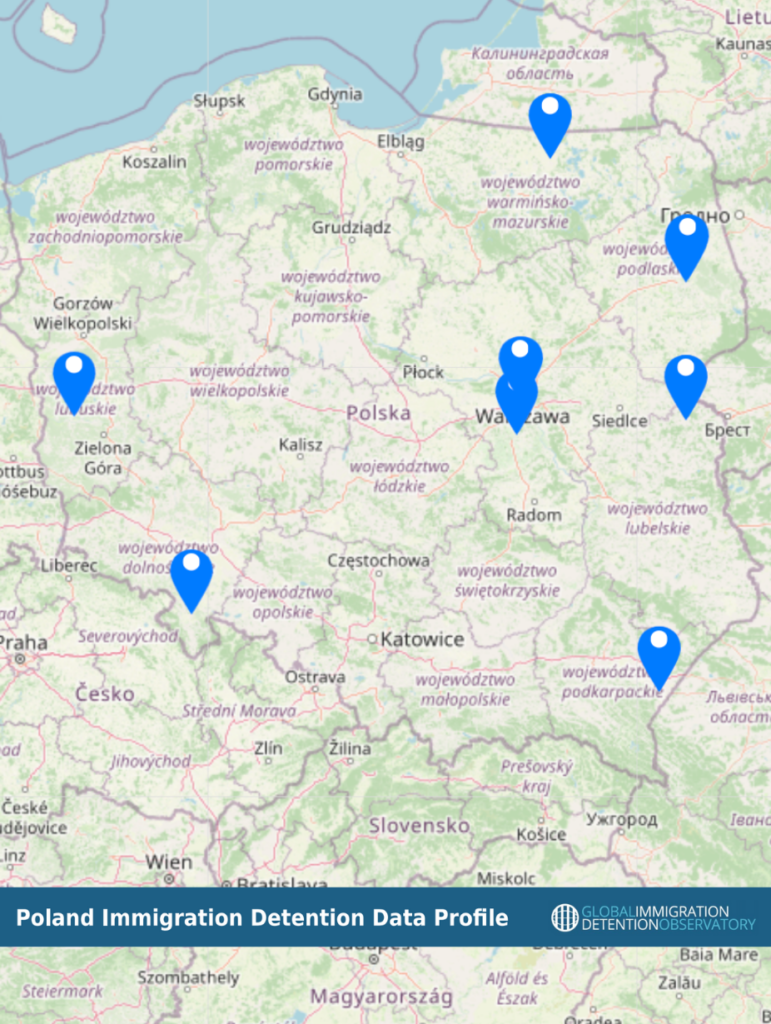
Poland Immigration Detention Data Profile (2020)
Poland Detention Data (2020) The latest detention-related data from Poland, including immigration and detention-related statistics, domestic laws and policies, international law, and institutional indicators. View the Poland Detention Data Profile Related Reading: Poland: Country Page Poland: COVID-19 Updates Report: Immigration Detention in Poland: Systematic Family Detention and Lack of Individualised Assessment […]
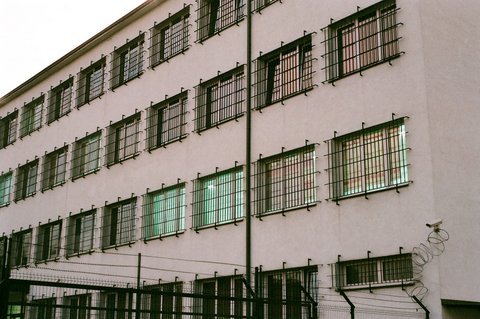
Poland: Covid-19 and Detention
Although the number of confirmed cases continues to rise in Poland, authorities have continued to refuse to issue a moratorium on new immigration detention orders (this was previously confirmed by the Polish Commissioner for Human Rights in early July, see 8 July update). According to an international organisation who asked to remain anonymous, but whose […]

Poland: Covid-19 and Detention
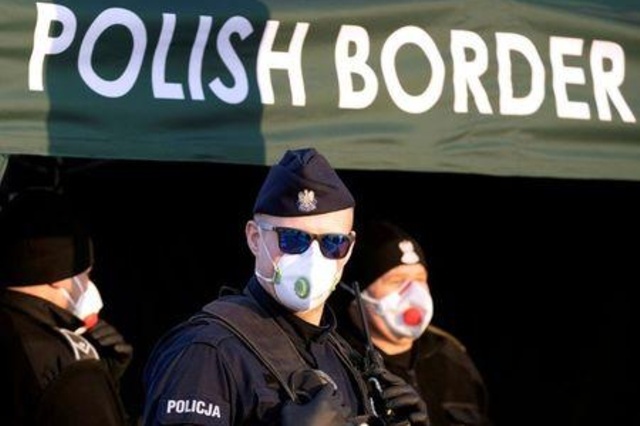
Responding to the Global Detention Project’s Covid-19 survey, the Polish Commissioner for Human Rights (Ombudsman’s office) contacted the Polish Border Guard to obtain information concerning Covid-19 measures for migrants and refugees. The commissioner said that the Polish Border Guard had informed them that on 17 March, the Deputy Commander-in-Chief of the Border Guard ordered the […]
Poland: Covid-19 and Detention
On 1 April 2020, the Polish Government decided to extend visas for all non-citizens who hold work permits, national visas, or a temporary residence permit, for 30 days after the end of the emergency state. The Office for Foreigners stated that “based on this extended stay, a foreigner will not be able to travel on […]
Poland: Covid-19 and Detention
On 23 March 2020, the Ministry of Justice announced plans to extend a programme under which some prisoners are allowed to serve their sentence at home to help curb the spread of coronavirus. The proposal could benefit up to 12,000 prisoners and they would be kept under electronic supervision. The GDP has been unable to […]
Global Detention Project Annual Report 2018
What conditions do asylum seekers, migrants, and refugees face in detention around the world? What countries have reformed their migration policies and what countries are still using unnecessary immigration detention? What progress has been made and what still needs to be done? The GDP’s 2018 Annual Report takes a look. […]

NEWSLETTER: Immigration Detention: “Never in the Best Interests of Children”
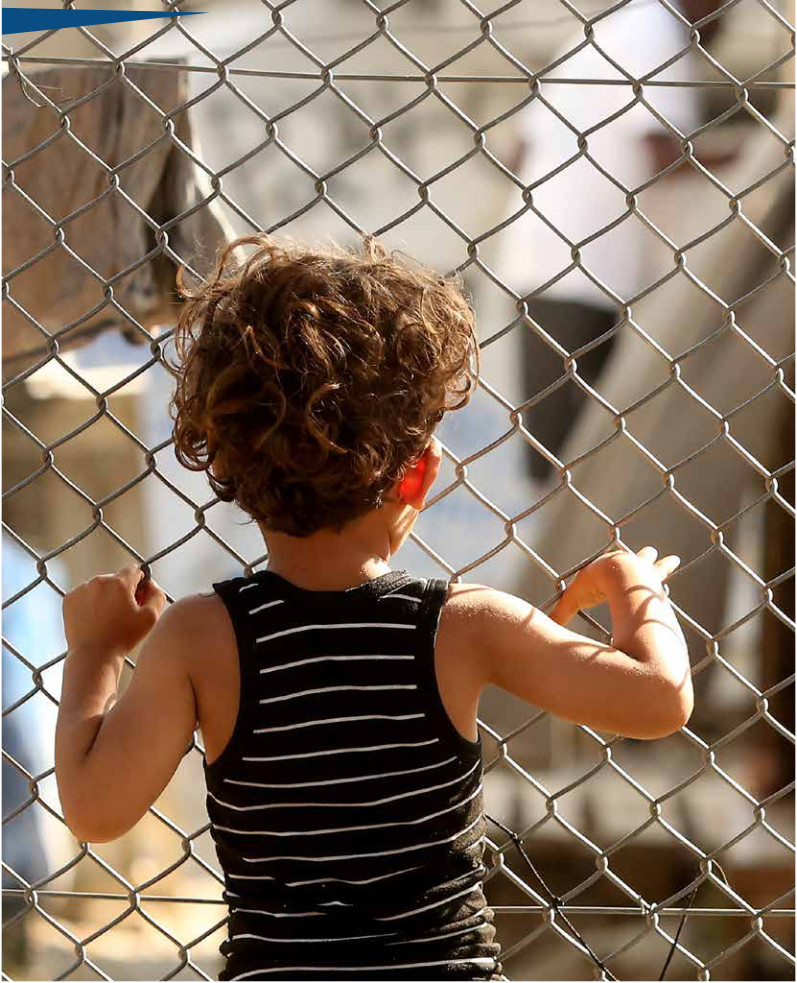
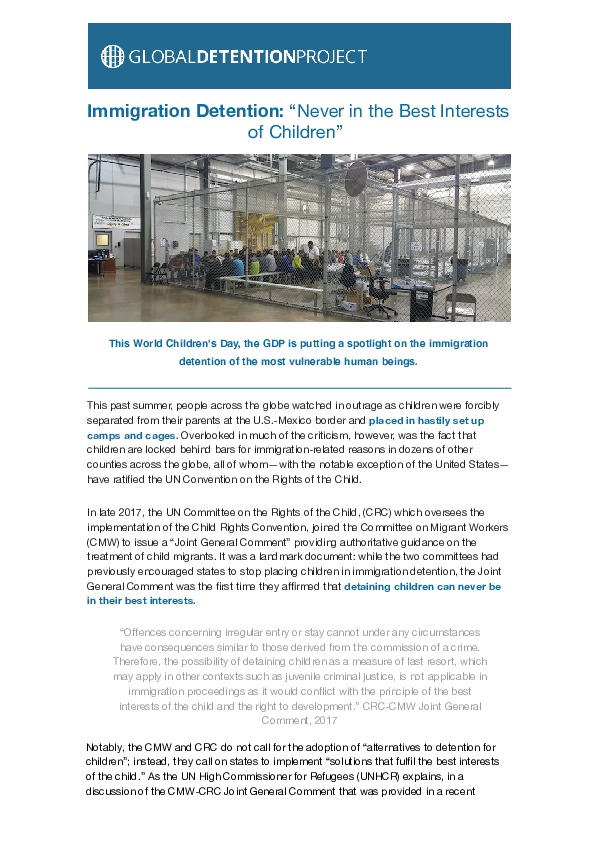
This past summer, people across the globe watched in outrage as children were forcibly separated from their parents at the U.S.-Mexico border and placed in hastily set up camps and cages. Overlooked in much of the criticism, however, was the fact that children are locked behind bars for immigration-related reasons in dozens of other counties across the globe, all of whom—with the notable exception of the United States—have ratified the UN Convention on the Rights of the Child. […]
Immigration Detention in Poland: Systematic Family Detention and Lack of Individualised Assessment
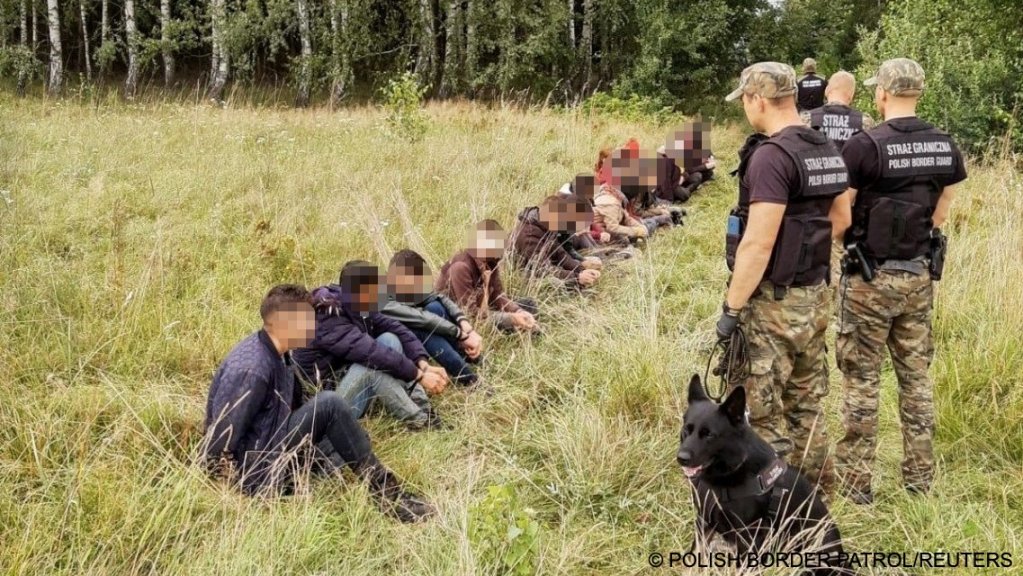
Poland has experienced a sharp drop in the numbers of people applying for asylum since 2017. Yet, anti-immigrant rhetoric dominates public discourse, foreigners are viewed as security threats, and pushbacks are common along the border with Belarus. While material conditions in detention centres appear to meet basic standards, Poland rarely considers “alternatives to detention,” systematically […]